How to Identify and Treat Mealybugs in the UK
Everything You Need to Know About Mealybugs in the UK
A Mealybug
Introduction
Mealybugs are a type of sap-sucking insect that can cause significant damage to plants in the UK. They are small, soft-bodied insects that feed on the sap of plants, leaving behind a sticky residue known as honeydew. Mealybugs can be found on a wide variety of plants, including fruit trees, ornamental shrubs, and houseplants. They can cause stunted growth, yellowing of leaves, and wilting of stems. In severe cases, mealybugs can even kill plants. It is important to identify and treat mealybugs as soon as possible to prevent further damage to your plants.
History and Current Status of Mealybugs in the UK
Historical Background
Mealybugs, belonging to the family Pseudococcidae, are small, sap-sucking insects that have been recognized as difficult-to-control pests since the early 19th century. Their name comes from the white, powdery wax substance they secrete, giving them a "mealy" or flour-like appearance.
Though it's challenging to pinpoint the exact origin of these pests, the widespread distribution of mealybugs suggests they have been carried worldwide through the movement of plants and produce. In the UK, they have become a common pest, particularly in greenhouses and indoor plants.
Common Species in the UK
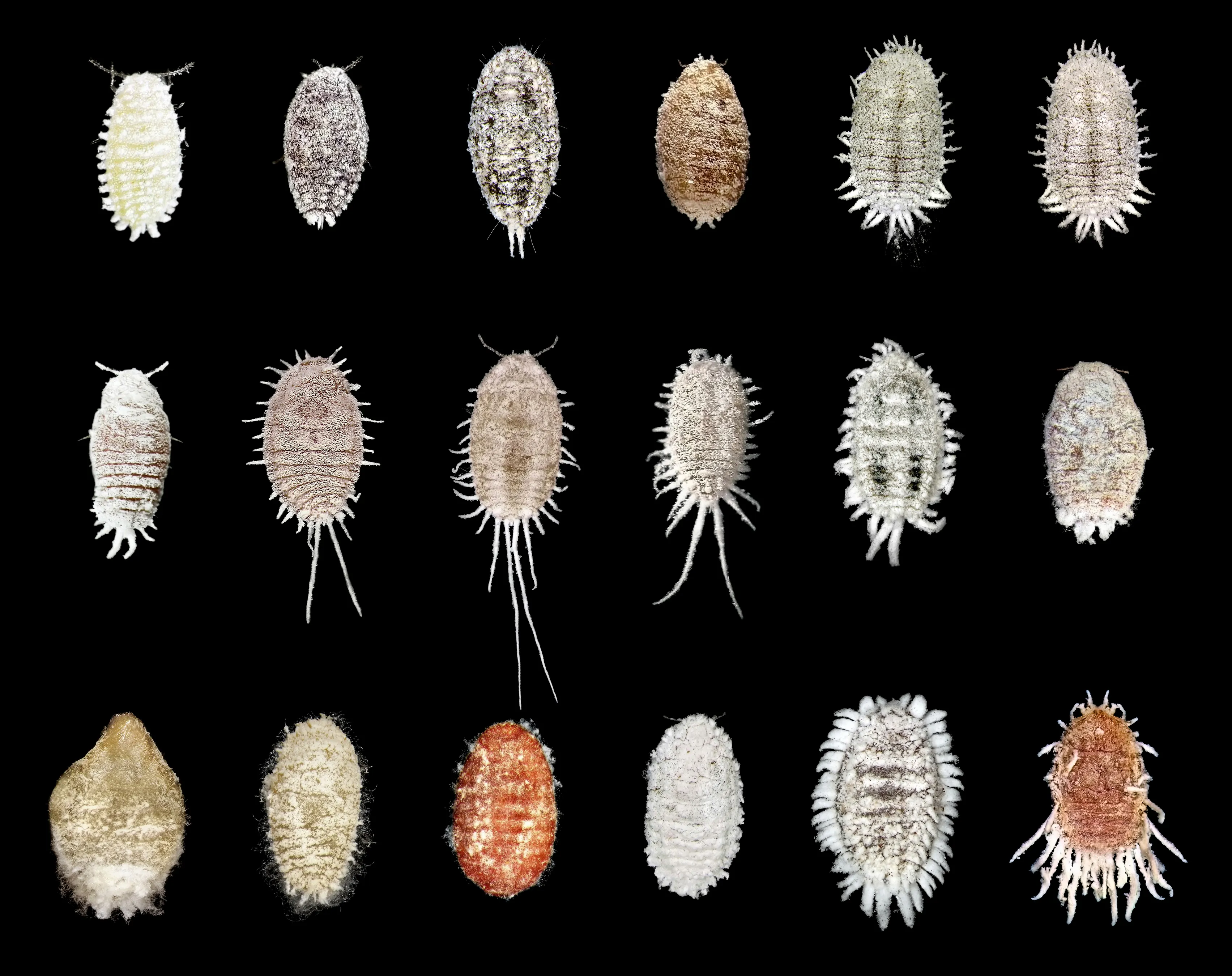
Several species of mealybugs are found in the UK. The Glasshouse mealybug and the obscure mealybug (Pseudococcus viburni) are among the most common. Another notable species is the citrus mealybug (Planococcus citri), which, despite its name, infests a wide range of plants.
Impact on Environment and Agriculture
Mealybugs can weaken plants by sucking sap and excreting a sticky substance called honeydew, which encourages the growth of sooty mould fungus. This not only affects the aesthetic appeal of ornamental plants but can also reduce crop yields.
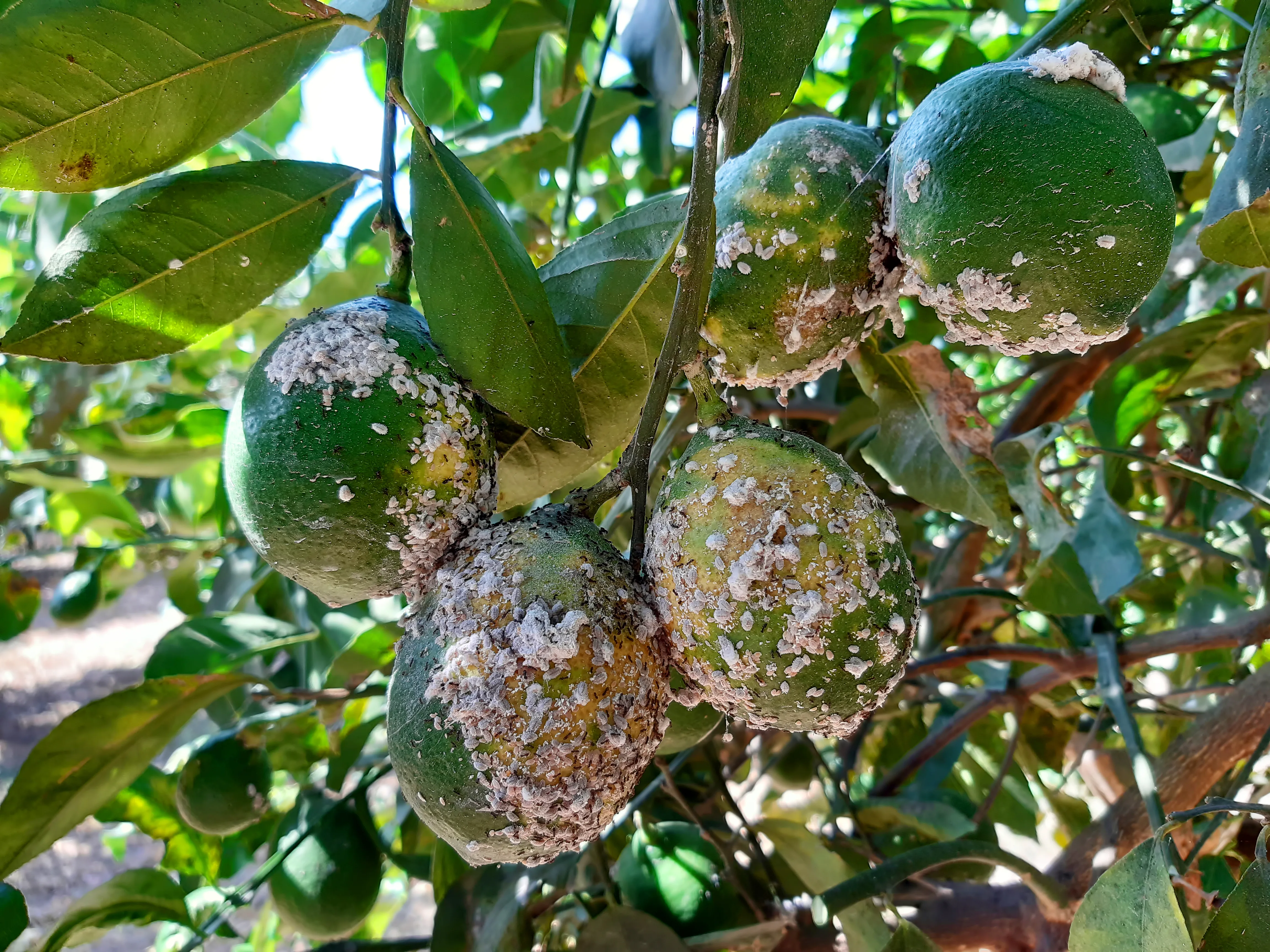
For instance, the citrus mealybug is a significant pest of citrus crops, while the obscure mealybug can infest a variety of agricultural and horticultural crops.
Biology, Lifecycle and Habitat
Mealybugs have a simple life cycle consisting of egg, nymph, and adult stages. Female mealybugs lay hundreds of eggs in a cottony egg sac attached to the plant. The eggs hatch into nymphs, which go through several instars before becoming adults.
These pests thrive in warm, moist environments and are often found on the undersides of leaves or in leaf axils. They can infest a wide range of indoor and greenhouse plants, including citrus, sugarcane, pineapple, and many ornamental species.
Infestation Examples and Control Measures
Mealybugs have been reported infesting various locations across the UK, particularly greenhouses and indoor plant collections2. Insecticides are available for use against mealybugs in the UK and are likely to be effective in limiting damage.
However, due to the potential environmental impact of chemical pesticides, integrated pest management strategies that combine chemical control with biological control (using natural predators like ladybirds and Lacewings) and cultural practices (such as regular inspection and removal of infested plants) are recommended.
Conclusion
Mealybugs pose a significant challenge to agriculture and horticulture in the UK. However, with an understanding of their biology and habits, as well as effective control strategies, it's possible to manage these pests and limit their impact.
What are Mealybugs and What Do They Look Like?

A Mealybug
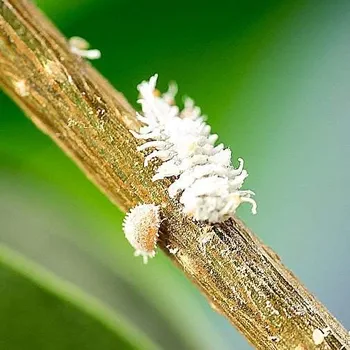
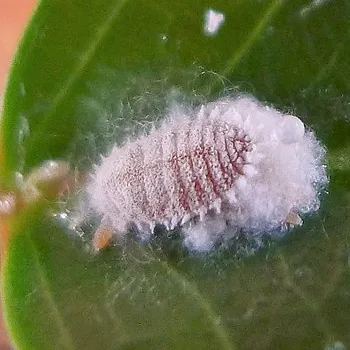
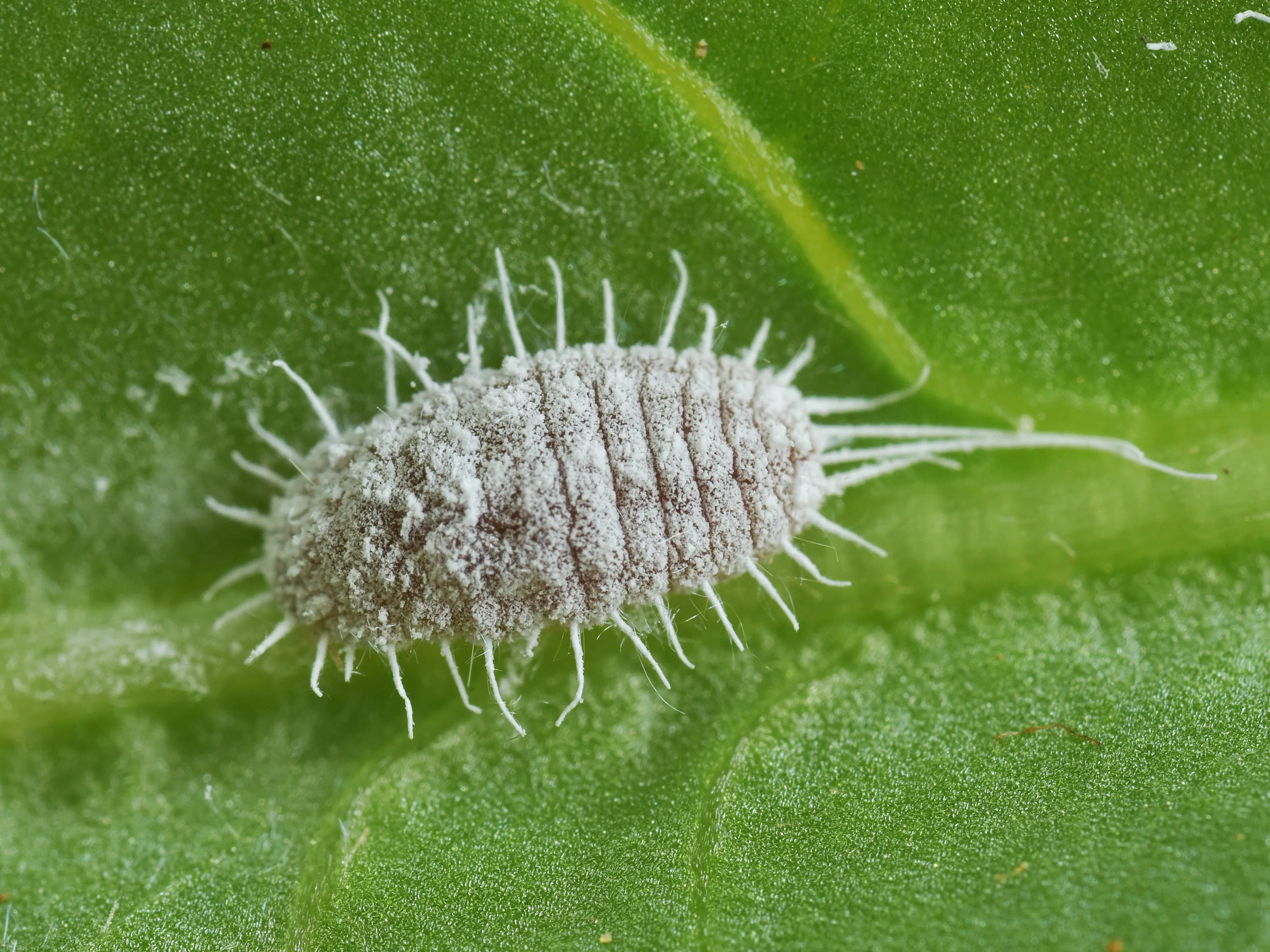
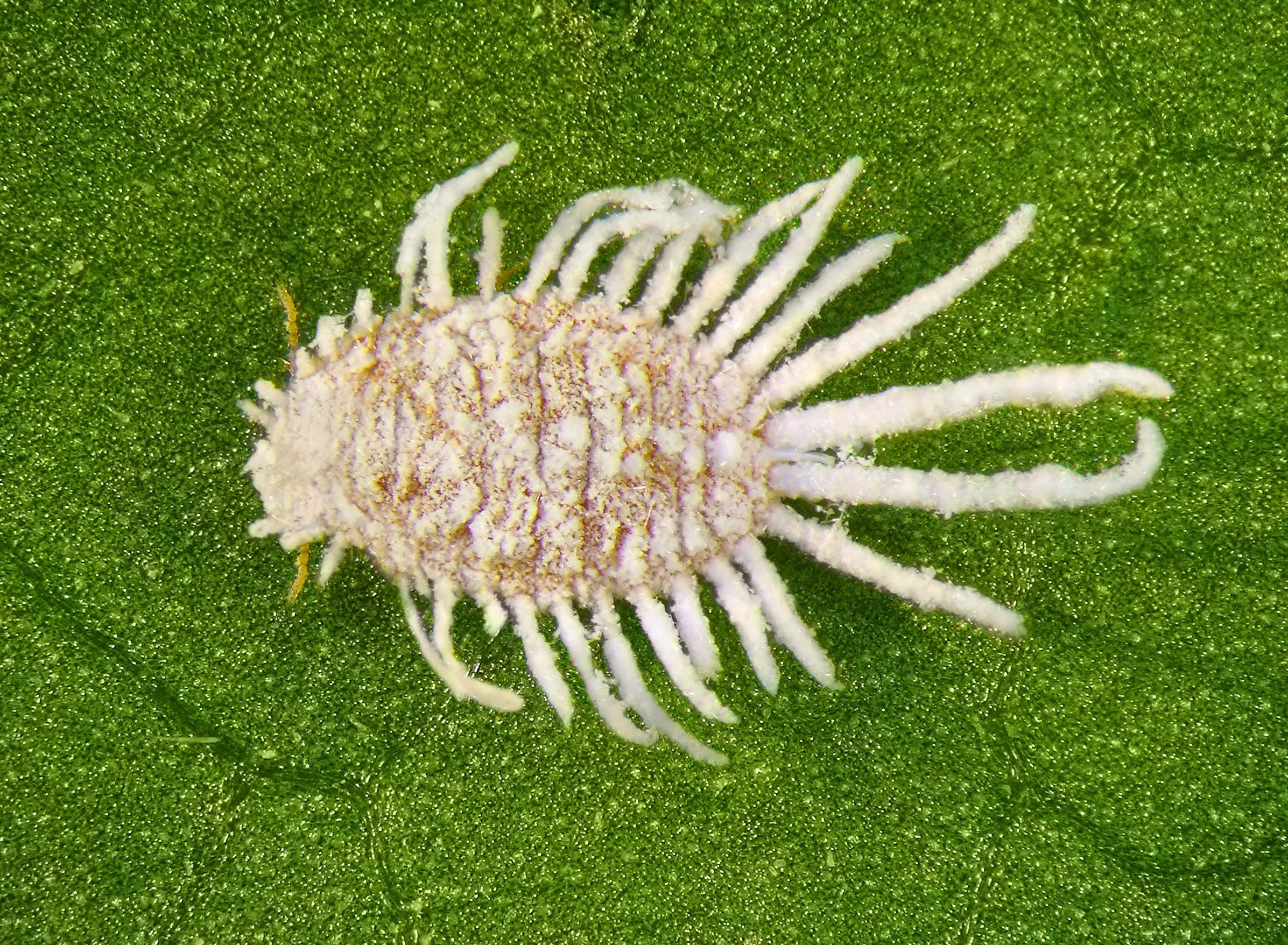
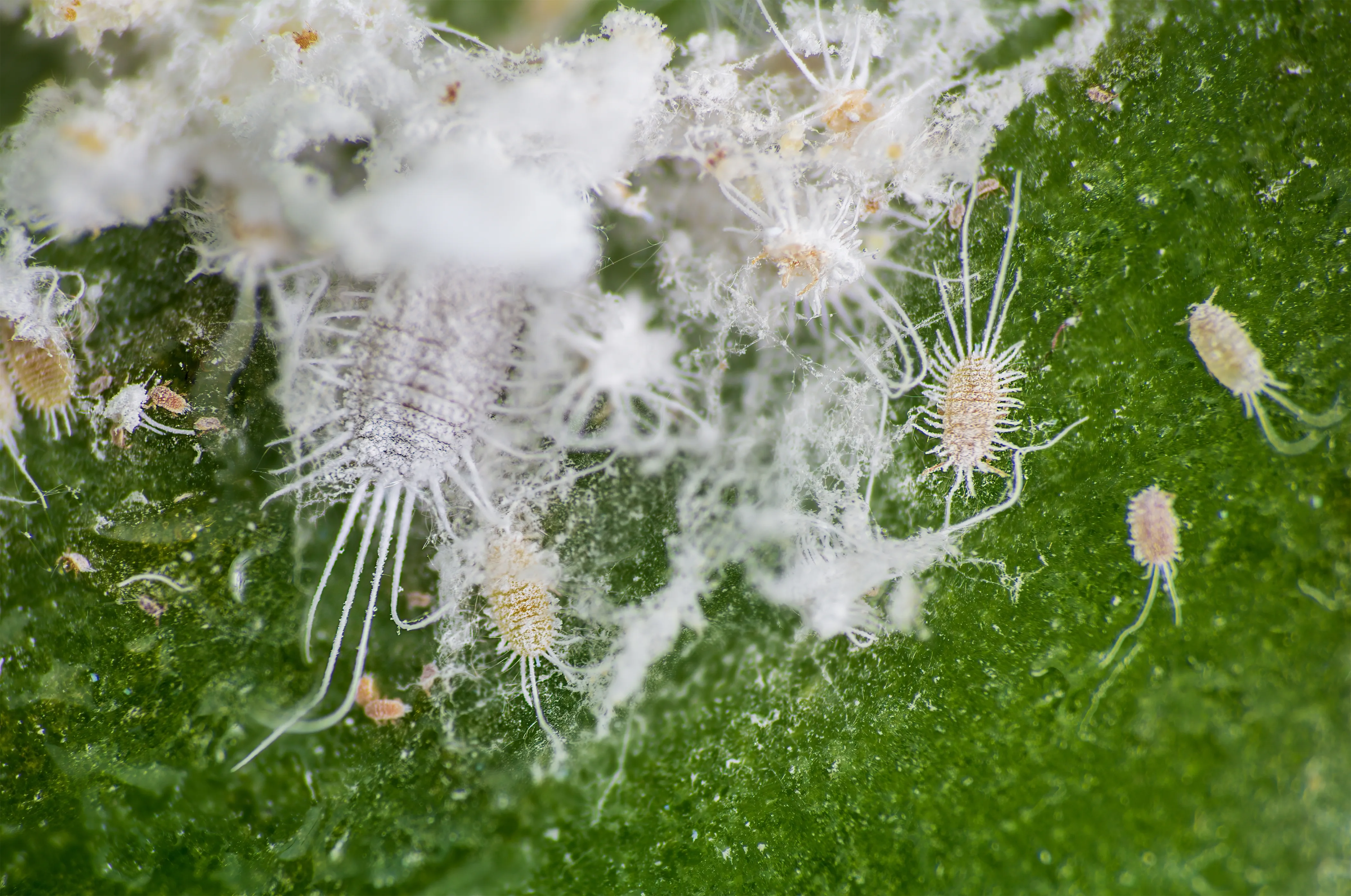
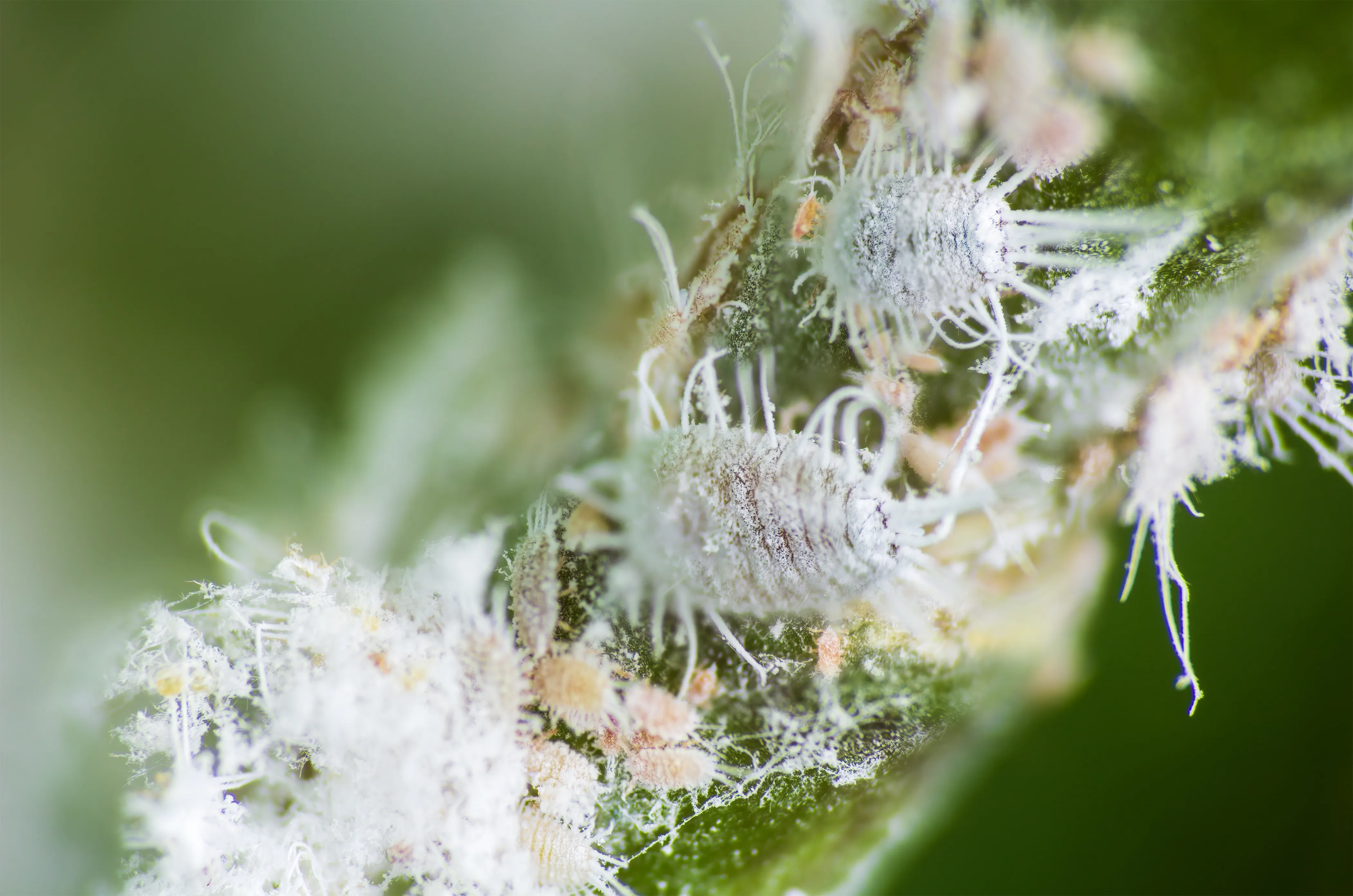
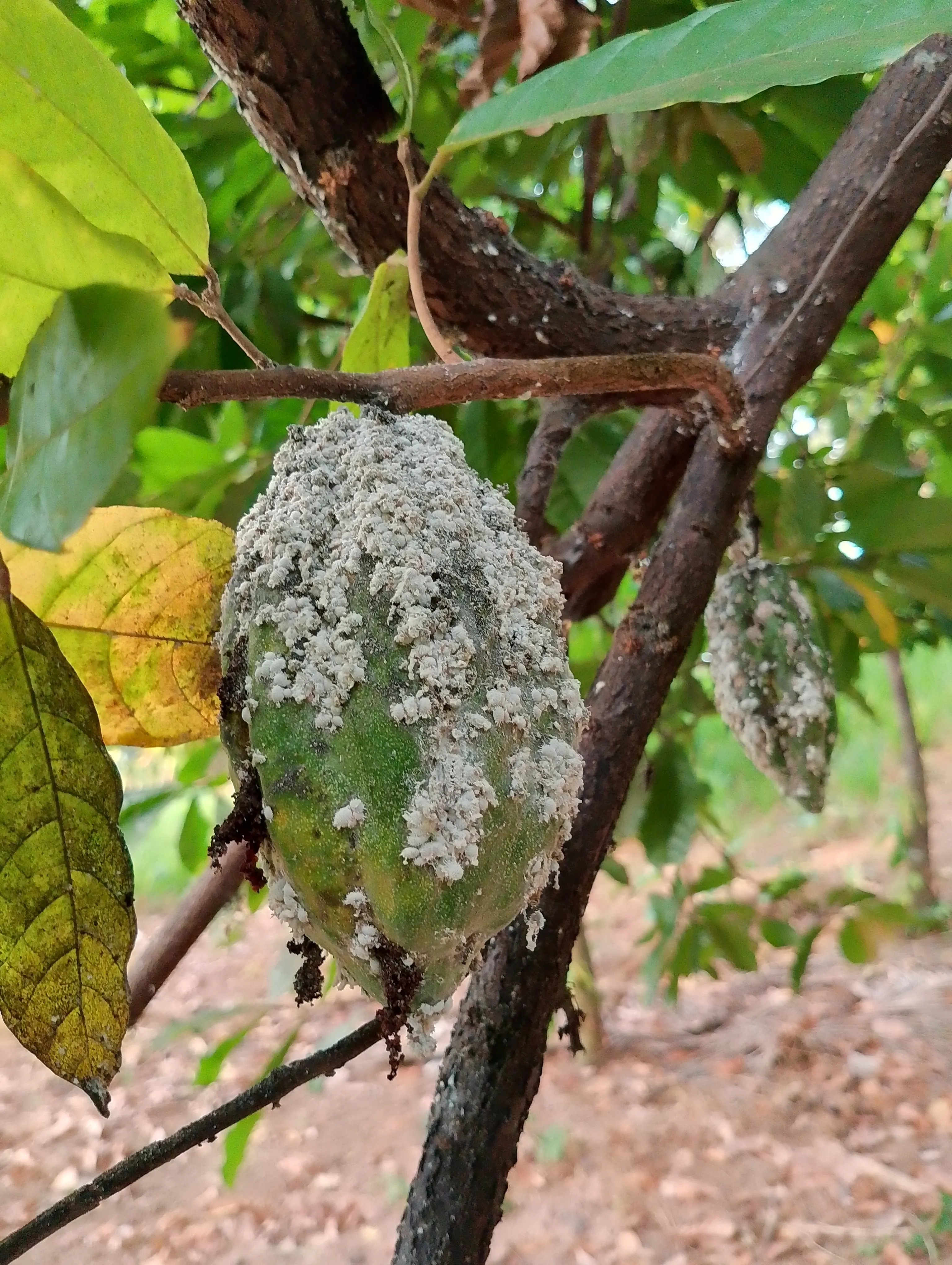
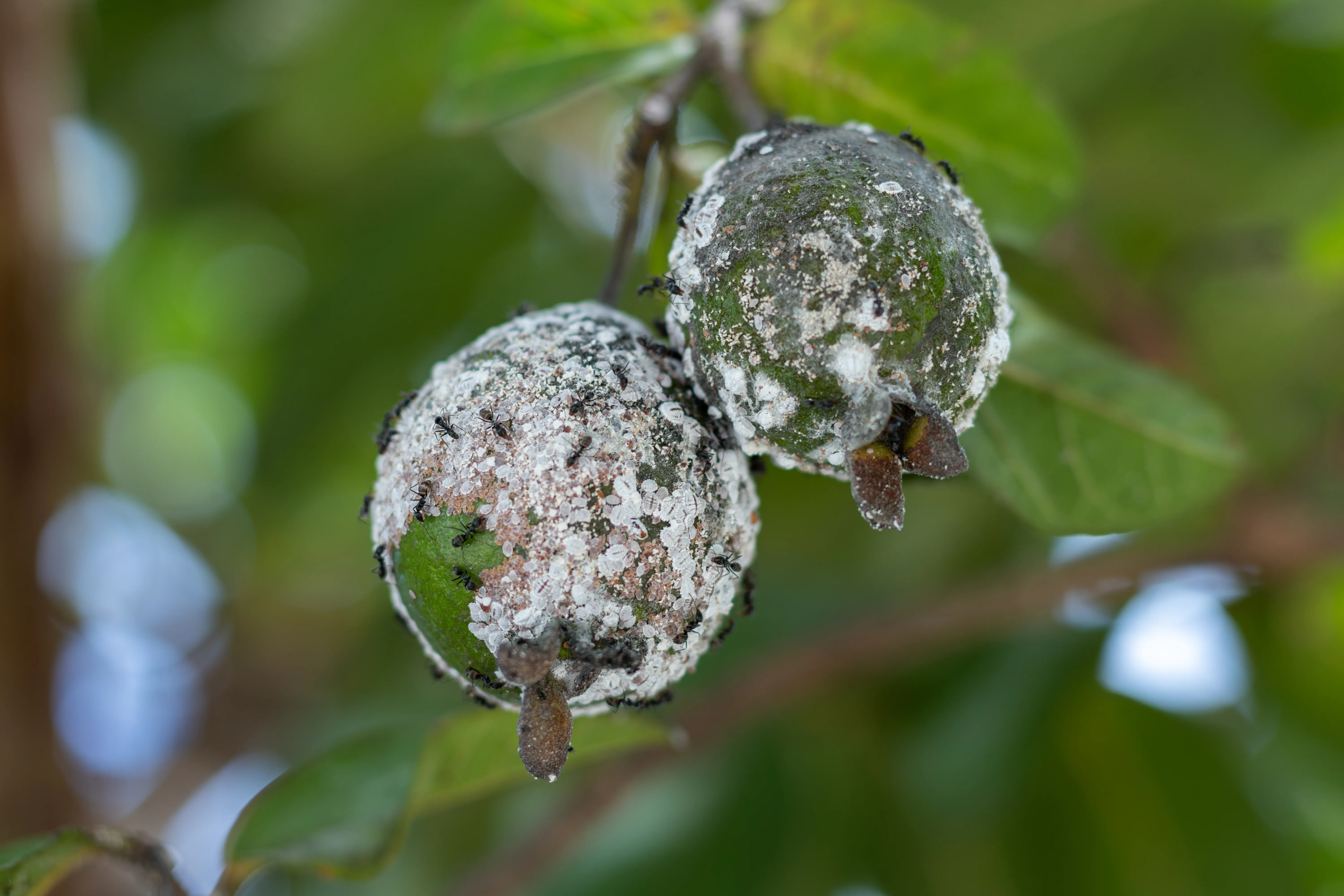
Mealybugs are small, sap-sucking insects that are commonly found in the UK. They are part of the Pseudococcidae family and are usually found on plants, where they feed on the sap. Mealybugs are usually white in colour and have a waxy coating, which gives them a fuzzy appearance. They can also be found in clusters, which makes them easy to spot.
Mealybugs can cause damage to plants by sucking the sap from the leaves and stems, which can lead to wilting and yellowing of the leaves. They can also spread diseases, such as Powdery Mildew, which can further damage the plant. To prevent mealybugs from damaging your plants, it is important to inspect them regularly and take action if you spot any mealybugs.
Detailed Description of Mealybugs
Mealybugs are small, sap-sucking insects that can be a pest to many indoor and greenhouse plants. They belong to the family Pseudococcidae and are known for their distinct physical characteristics.
Size and Shape
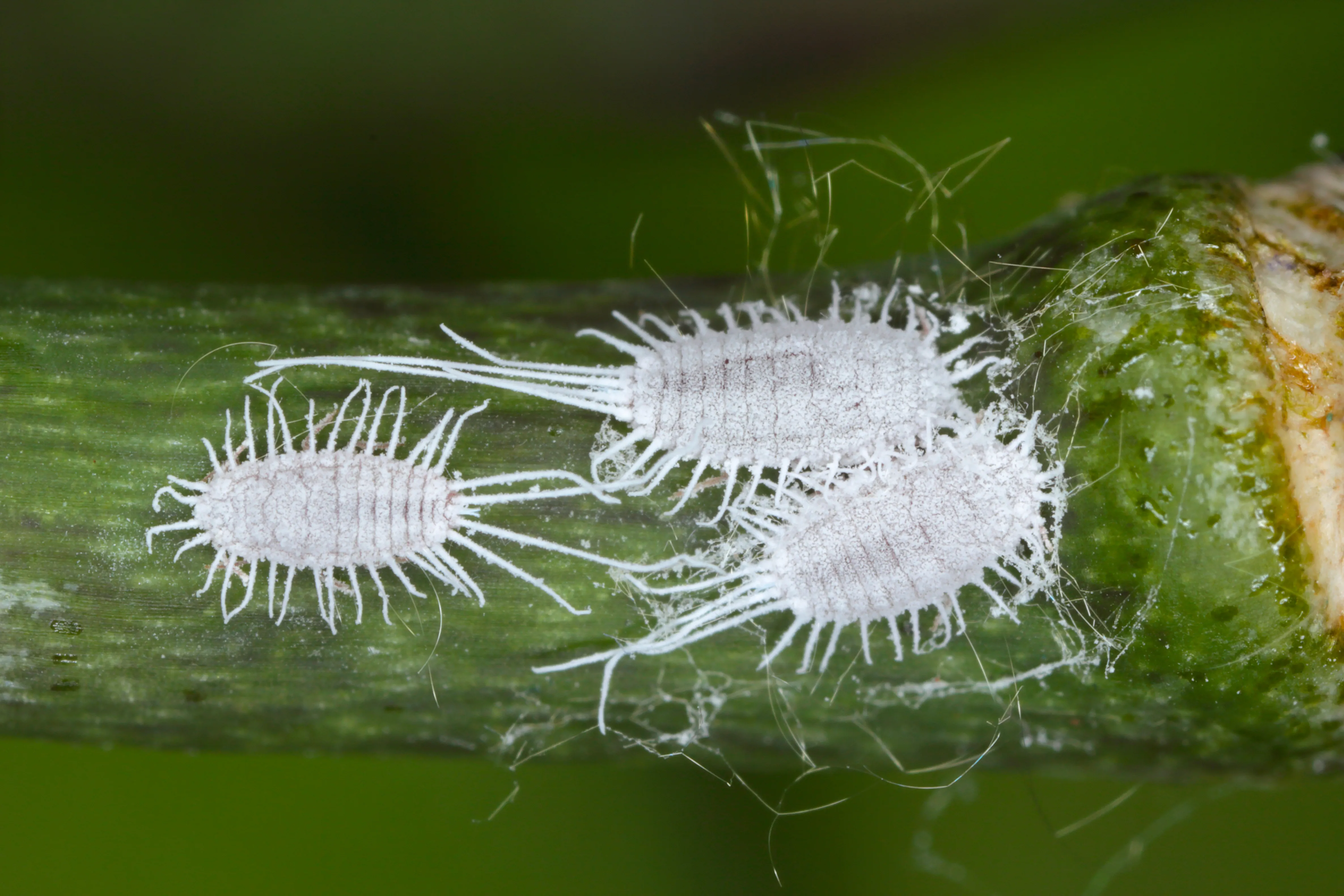
Mealybugs are typically small insects, with adults measuring between 1/20 to 1/5 inch (1-5mm) long. They have a soft, elongated oval body that is slightly flattened.
Colour
These pests are most commonly white or light grey in colour. The name "mealybug" comes from the powdery or "mealy" wax that they secrete, which covers their bodies and gives them a cottony or flour-like appearance.
Distinct Features
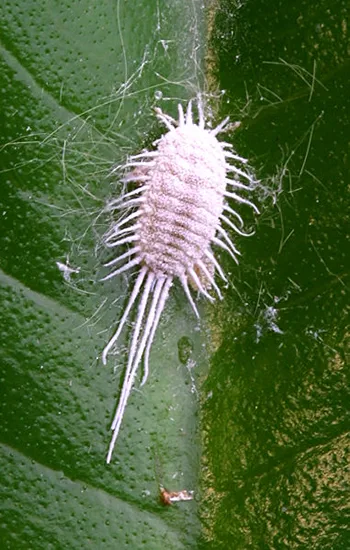
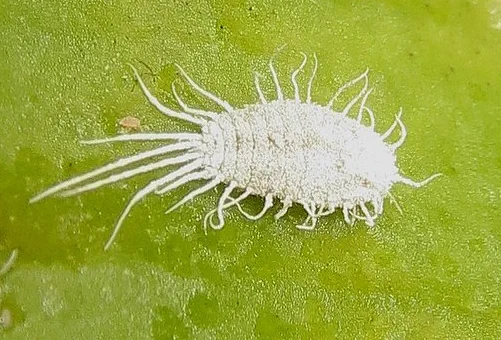
One of the characteristic features of mealybugs is the presence of filamentous waxy secretions that extend around their bodies. These filaments, often longer at the rear end, contribute to their "cottony" appearance and can make them resemble small cotton balls on plants.
Antennae and Mouthparts
Mealybugs have short antennae, usually consisting of eight segments. They have piercing-sucking mouthparts, which they use to drill into plant tissue and suck out the sap.
Legs
Mealybugs have six short legs. However, they are not very mobile compared to other insects, and adult females especially spend most of their time in one spot.
Wings
Male mealybugs develop wings and are capable of flight, but they do not feed and only live long enough to fertilize the females. Female mealybugs, which cause the most damage to plants, do not have wings and cannot fly.
Comparison with Other Bugs
Mealybugs might be mistaken for other pests like Aphids or whiteflies due to their small size and colour. However, the waxy, cottony coating and the presence of long waxy filaments around their bodies set them apart. Also, unlike Aphids, mealybugs do not have cornicles (tube-like structures at their rear end), and unlike whiteflies, female mealybugs do not have wings.
In conclusion, recognizing mealybugs involves looking for small, oval, cottony bugs that are relatively immobile. Their distinct wax coating and filamentous secretions are key identifiers, setting them apart from other common plant pests.
Mealybugs' Dietary Habits
A Mealybug
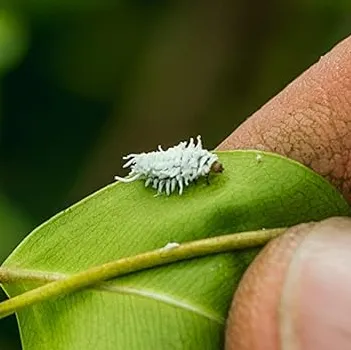
Mealybugs are a common pest in the UK, and they can cause significant damage to plants and crops. They feed on the sap of plants, and they can quickly spread from one plant to another. Mealybugs are particularly fond of soft, succulent plants, and they can be found in both indoor and outdoor settings. In order to prevent an infestation, it is important to understand the dietary habits of mealybugs.
Mealybugs feed on the sap of plants, and they are especially attracted to soft, succulent plants. They can also feed on the leaves and stems of plants, and they can quickly spread from one plant to another. In addition, mealybugs can also feed on the roots of plants, which can cause significant damage to the plant. To prevent an infestation, it is important to inspect plants regularly for signs of mealybugs and to take steps to remove them as soon as possible.
Signs and Symptoms of Plant Damage Caused by Mealybugs
A Mealybug
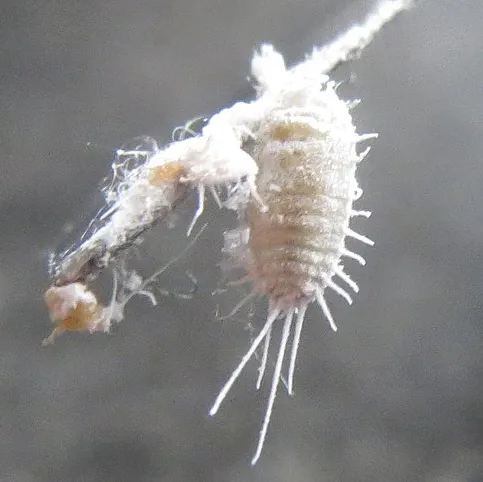
Mealybugs are a common pest in the UK, and they can cause significant damage to plants. These small, white insects feed on the sap of plants, leaving behind a sticky residue known as honeydew. This honeydew can attract other pests, such as ants, and can also cause sooty mould to grow on the leaves of the plant. In addition, mealybugs can cause leaves to yellow and drop off, and can stunt the growth of the plant.
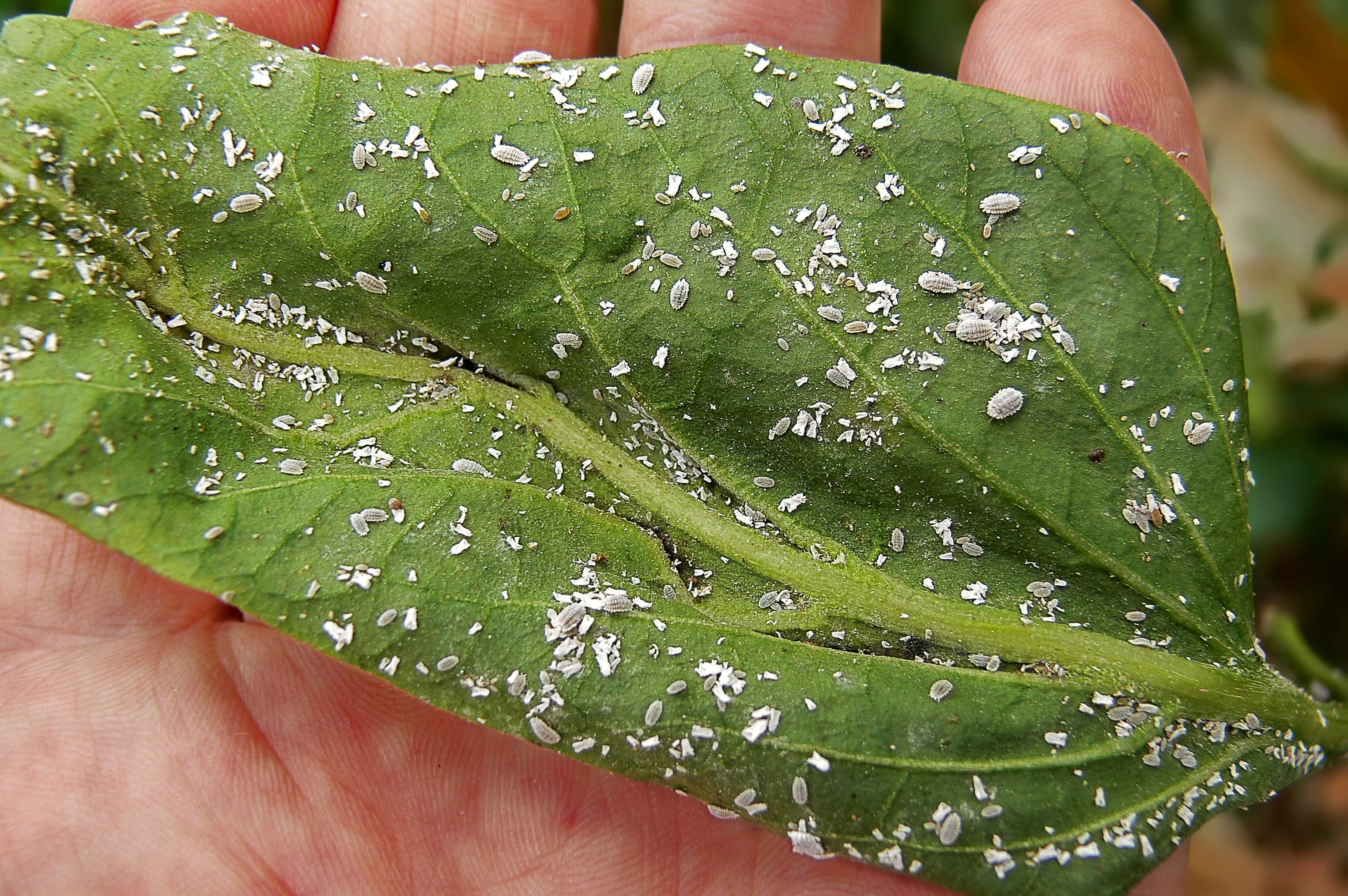
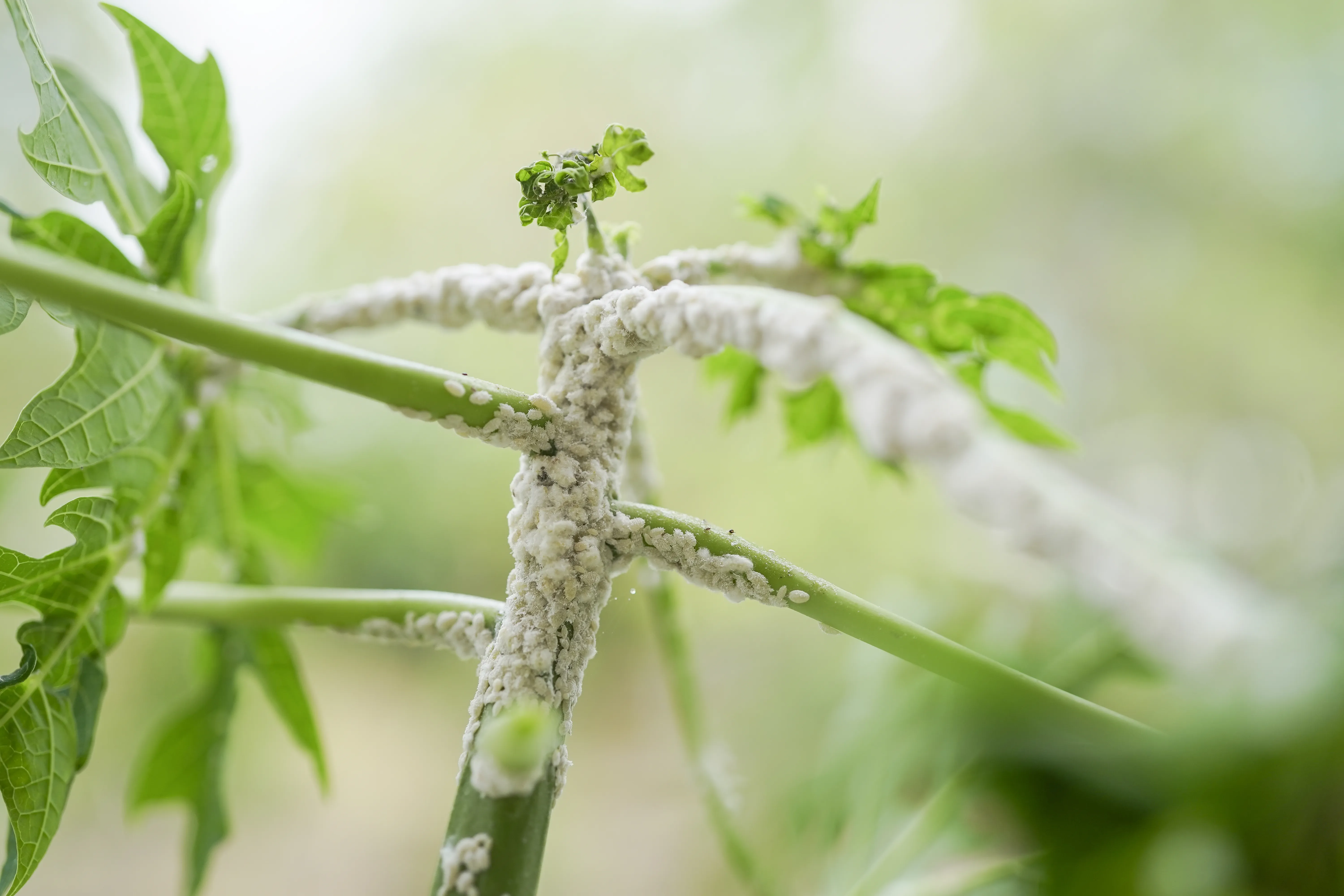
If you suspect that your plants have been affected by mealybugs, there are a few signs to look out for. These include white, cottony masses on the stems and leaves of the plant, yellowing of the leaves, and wilting of the plant. If you notice any of these signs, it is important to take action quickly to prevent further damage. The best way to get rid of mealybugs is to use an insecticidal soap or horticultural oil. These products can be applied directly to the affected areas, and will help to kill the mealybugs and prevent them from spreading.
Identifying the Existence of Mealybugs
A Mealybug
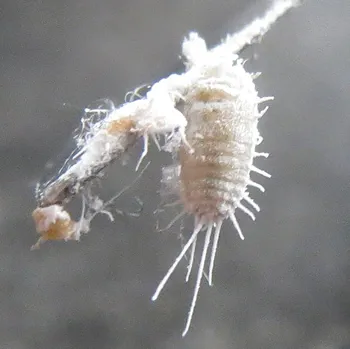
Mealybugs are a common pest in the UK, and can cause significant damage to plants and crops. They are small, soft-bodied insects that feed on the sap of plants, and can be identified by their white, waxy coating. Mealybugs can be found on a variety of plants, including roses, tomatoes, and citrus trees.
The most common way to identify mealybugs is to look for their white, waxy coating. They can also be identified by their small, oval-shaped bodies and their tendency to congregate in clusters. Mealybugs can also be identified by the sticky residue they leave behind on plants, which is caused by their feeding on the sap.
If you suspect that your plants are infested with mealybugs, it is important to take action quickly. Mealybugs can cause significant damage to plants and crops, so it is important to identify and treat them as soon as possible. There are a variety of methods for controlling mealybugs, including chemical treatments, biological controls, and physical removal.
Preventative Measures to Avoid Infestations
A Mealybug
Mealybugs are a common pest in the UK, and can cause significant damage to plants and crops if left unchecked. To prevent an infestation, it is important to take preventative measures. One of the most effective ways to do this is to inspect plants regularly for signs of mealybugs. These pests can be identified by their white, waxy coating and their small, oval shape. If you spot any mealybugs, it is important to take action immediately to prevent the infestation from spreading.
Another preventative measure is to ensure that plants are kept in a clean and dry environment. Mealybugs thrive in moist, humid conditions, so it is important to keep plants away from areas of high humidity. Additionally, it is important to regularly check for any signs of damage or discoloration on plants, as this can be an indication of an infestation. If you notice any signs of damage, it is important to take action immediately to prevent the infestation from spreading.
Treatment Methods for Mealybug Outbreaks
A Mealybug
Mealybugs are a common pest in the UK, and can cause significant damage to plants and crops. To prevent and treat mealybug outbreaks, it is important to understand the different treatment methods available.
The most common method of treating mealybugs is through the use of insecticides. These insecticides are designed to kill the mealybugs and their eggs, and can be applied directly to the affected plants. However, it is important to note that insecticides can be harmful to other beneficial insects, so it is important to use them with caution.
Another method of treating mealybugs is through the use of natural predators. Ladybugs, Lacewings, and parasitic wasps are all natural predators of mealybugs, and can be used to help control their populations. These predators can be purchased from garden centers or online, and can be released into the garden to help reduce the number of mealybugs.
Finally, it is important to practice good garden hygiene to help prevent mealybug outbreaks. This includes removing any dead or dying plants, as well as regularly inspecting plants for signs of mealybugs. Additionally, it is important to avoid over-watering plants, as this can create a favorable environment for mealybugs to thrive.
By understanding the different treatment methods available for mealybugs, you can help protect your plants and crops from damage. With the right knowledge and tools, you can help keep your garden free of mealybugs.
Comprehensive Guide on Insecticides for Mealybugs
Symptoms of Mealybug Infestation
Mealybugs are small, sap-sucking insects that leave distinct signs of their presence. Common symptoms include:
- A cottony, white residue on the plant, which is actually the mealybugs themselves or their egg sacs.
- Yellowing and curling of leaves, as well as stunted growth due to the insects' sap-sucking.
- Sooty mold fungus, which grows on the honeydew (a sticky substance) excreted by the mealybugs.
Who is at Risk?
Any plants, particularly houseplants and greenhouse plants, can be susceptible to mealybug infestation. Certain species, such as citrus, ornamental, and succulent plants, are especially attractive to these pests.
Considerations Before Treatment
Before beginning treatment, ensure you have correctly identified the pest as a mealybug. Misidentification can lead to ineffective treatment. Also, consider the severity of the infestation, as minor infestations may be managed with less aggressive methods like using a strong spray of water to dislodge the bugs or manually removing them with a cotton swab dipped in rubbing alcohol.
Types of Insecticides
There are several types of insecticides available for treating mealybugs:
- Contact Insecticides: These kill the pests on direct contact. They are often used as sprays and need to directly hit the mealybugs to be effective.
- Systemic Insecticides: These are absorbed by the plant and kill the pests when they feed on the plant's sap.
- Insect Growth Regulators: These interfere with the pests' life cycle, preventing them from reaching maturity and reproducing.
Top 3 Insecticides for Mealybugs
- Imidacloprid (e.g., Bayer Advanced 3-in-1 Insect, Disease & Mite Control): A systemic insecticide that is absorbed by the plant and kills mealybugs as they feed. It has a high rate of success but should be used cautiously as it can harm beneficial insects.
- Beauveria bassiana (e.g., BotaniGard ES): This is a natural insecticide derived from a fungus that infects various insects, including mealybugs. It's environmentally friendly and poses minimal risk to beneficial insects.
- Pyrethrins (e.g., Bonide Pyrethrin Garden Insect Spray): Made from chrysanthemum flowers, pyrethrins are contact insecticides that disrupt the mealybugs' nervous system. They are considered safe for the environment but may harm beneficial insects if not used carefully.
Remember, always follow label instructions when using insecticides to ensure safety and effectiveness. For severe infestations, consider seeking professional help.
General Plant Care Practices to Keep Mealybugs at Bay
A Mealybug
Mealybugs are a common pest in the UK, and can cause significant damage to plants if left unchecked. To keep your plants healthy and free of mealybugs, it is important to practice good plant care. This includes regularly inspecting your plants for signs of mealybugs, such as white, cottony masses on the leaves and stems. If you spot any mealybugs, it is important to take action quickly to prevent them from spreading.
One of the best ways to keep mealybugs at bay is to ensure your plants are well-watered and fertilized. This will help to keep them healthy and strong, making them less susceptible to mealybugs. Additionally, it is important to keep your plants in a well-ventilated area, as this will help to reduce the humidity that mealybugs thrive in. Finally, it is important to regularly prune your plants to remove any dead or dying leaves, as this can help to reduce the number of mealybugs in your garden.
Conclusion
In conclusion, mealybugs are a common pest in the UK and can cause significant damage to plants if left untreated. It is important to be aware of the signs of mealybug infestation and to take action quickly if you suspect your plants are affected. Regularly inspecting your plants for signs of mealybugs and taking preventative measures such as removing dead leaves and debris from around the plant can help to reduce the risk of infestation. If you do find mealybugs on your plants, there are a number of treatments available to help eradicate them.
In conclusion, mealybugs are a common pest in the UK that can cause significant damage to plants if left untreated. It is important to be able to identify the signs and symptoms of mealybug infestations, as well as take preventative measures to avoid them. If an infestation does occur, there are a variety of treatment methods available to help eradicate the pests. Additionally, general plant care practices such as proper watering and fertilizing can help keep mealybugs at bay. By understanding the basics of mealybugs and taking the necessary steps to prevent and treat infestations, you can ensure that your plants remain healthy and free of these pesky pests.
Frequently Asked Questions About Mealybugs
A Mealybug
- Q1: What are mealybugs and what do they look like? A1: Mealybugs are small, sap-sucking insects that feed on plants. They are usually white or gray in colour and have a waxy, cottony appearance. They are typically found in clusters on the stems, leaves, and fruit of plants.
- Q2: What do mealybugs eat? A2: Mealybugs feed on the sap of plants, which can cause damage to the plant. They also feed on the leaves, stems, and fruit of plants.
- Q3: What are the signs and symptoms of plant damage caused by mealybugs? A3: Signs and symptoms of plant damage caused by mealybugs include yellowing or wilting of leaves, stunted growth, and the presence of a sticky substance on the plant.
- Q4: How can I identify the existence of mealybugs? A4: Mealybugs can be identified by their white or gray color and waxy, cottony appearance. They are usually found in clusters on the stems, leaves, and fruit of plants.
- Q5: What preventative measures can I take to avoid mealybug infestations? A5: To avoid mealybug infestations, it is important to practice good plant care. This includes regularly inspecting plants for signs of mealybugs, removing any affected plants from the area, and avoiding overcrowding of plants.
- Q6: What treatment methods are available for mealybug outbreaks? A6: Treatment methods for mealybug outbreaks include the use of insecticides, biological control agents, and physical removal of the insects. It is important to follow the instructions on the insecticide label carefully to ensure safe and effective use.
- Q7: What general plant care practices can I use to keep mealybugs at bay? A7: General plant care practices that can help keep mealybugs at bay include regularly inspecting plants for signs of mealybugs, removing any affected plants from the area, avoiding overcrowding of plants, and providing adequate drainage and air circulation. Additionally, it is important to avoid over-fertilizing plants, as this can attract mealybugs.
How to Prune Climbing Vines
List by Variety
- How to Prune Actinidia
- How to Prune Akebia
- How to Prune Bougainvillea
- How to Prune Campsis
- How to Prune Celastrus
- How to Prune Chilean Glory Vine
- How to Prune Clematis Armandii
- How to Prune Clematis Montana
- How to Prune Climbing Rose
- How to Prune Hedera GoldHeart
- How to Prune Honeysuckle
- How to Prune Hydrangea Petiolaris
- How to Prune Ivy
- How to Prune Japanese Wisteria
- How to Prune Morning Glory
- How to Prune Parthenocissus
- How to Prune Persian Ivy Hedera Colchica
- How to Prune Schisandra
- How to Prune Star Jasmine
- How to Prune Sweet Peas
- How to Prune True Jasmine
- How to Prune Virginia Creeper
- How to Prune Wisteria
How to Prune Hedges
List by Variety
- How to Prune an Arborvitae Hedge
- How to Prune a Barberry Hedge
- How to Prune a Beech Hedge
- How to Prune a Boxwood Hedge
- How to Prune a Butterfly Bush Hedge
- How to Prune a Cotoneaster Hedge
- How to Prune an English Lavender Hedge
- How to Prune an Escallonia Hedge
- How to Prune an Euonymus-Hedge
- How to Prune a Firethorn Hedge
- How to Prune a Forsythia Hedge
- How to Prune a Griselinia Hedge
- How to Prune a Hawthorn Hedge
- How to Prune a Holly Hedge
- How to Prune a Hornbeam Hedge
- How to Prune a Juniper Hedge
- How to Prune a Laurel Hedge
- How to Prune a Leylandii Hedge
- How to Prune a Lilac Hedge
- How to Prune a Maple Leaf Viburnum Hedge
- How to Prune a Photinia Hedge
- How to Prune a Pink Ramanus Rose Hedge
- How to Prune a Privet Hedge
- How to Prune a Pyracantha Hedge
- How to Prune a Spirea Hedge
- How to Prune a Thuja Hedge
- How to Prune a Viburnum Hedge
- How to Prune a Western Red Cedar Hedge
- How to Prune a Yew Hedge
How to Prune Shrubs
List by Variety
- How to Prune an Abelia Shrub
- How to Prune an Abutilon
- How to Prune an Acer / Japanese-Maple
- How to Prune an Amelanchiers
- How to Prune an Apple-Tree
- How to Prune an Arbovitae Shrub
- How to Prune an Arbutus
- How to Prune an Aucuba
- How to Prune a Azalea Mollis
- How to Prune Azaleas
- How to Prune a Bay Tree Shrub
- How to Prune a Berberis Darwinii
- How to Prune Berberis Deciduous Types
- How to Prune a Boxwood Shrubs
- How to Prune a Brachyglottis Senecio
- How to Prune a Buddleia Alternifolia
- How to Prune Buddleias Butterfly Bushes
- How to Prune a Buddleja Globosa
- How to Prune a Callicarpa
- How to Prune a Camellia
- How to Prune a Caryopteris
- How to Prune a Catalpa Bignonioides Aurea
- How to Prune Ceanothus Deciduous Types
- How to Prune Ceanothus Evergreen Types
- How to Prune a Ceratostigma
- How to Prune a Chaenomeles
- How to Prune a Choisya
- How to Prune a Cistus
- How to Prune a Clematis
- How to Prune a Cornus
- How to Prune a Cotinus Royal Purple
- How to Prune a Cytisus Scoparius
- How to Prune a Exochorda x Macrantha
- How to Prune a Forsythia
- How to Prune a Hebe
- How to Prune a Hydrangeas
- How to Prune Juniper Shrubs
- How to Prune a Lavatera
- How to Prune Lilac Bushes
- How to Prune a Mugo Pine
- How to Prune Rose Bushes
- How to Prune Ribes
- How to Prune Spirea Shrubs
- How to Prune Viburnum Shrubs
- How to Prune a Weigela
- How to Prune a Yew
How to Prune Trees
List by Variety
- How to Prune a Apple Tree
- How to Prune a Apricot Tree
- How to Prune a Ash Tree
- How to Prune a Birch Tree
- How to Prune a Cherry Tree
- How to Prune a Elm Tree
- How to Prune a Fig Tree
- How to Prune a Grape Tree
- How to Prune a Hickory Tree
- How to Prune a Maple Tree
- How to Prune a Oak Tree
- How to Prune an Olive Tree
- How to Prune a Peach Tree
- How to Prune a Pear Tree
- How to Prune a Plum Tree
- How to Prune a Poplar Tree
- How to Prune a Walnut Tree
How to Prune Climbing Vines
List by Variety
- How to Prune Actinidia
- How to Prune Akebia
- How to Prune Bougainvillea
- How to Prune Campsis
- How to Prune Celastrus
- How to Prune Chilean Glory Vine
- How to Prune Clematis Armandii
- How to Prune Clematis Montana
- How to Prune Climbing Rose
- How to Prune Hedera GoldHeart
- How to Prune Honeysuckle
- How to Prune Hydrangea Petiolaris
- How to Prune Ivy
- How to Prune Japanese Wisteria
- How to Prune Morning Glory
- How to Prune Parthenocissus
- How to Prune Persian Ivy Hedera Colchica
- How to Prune Schisandra
- How to Prune Star Jasmine
- How to Prune Sweet Peas
- How to Prune True Jasmine
- How to Prune Virginia Creeper
- How to Prune Wisteria
How to Prune Hedges
List by Variety
- How to Prune an Arborvitae Hedge
- How to Prune a Barberry Hedge
- How to Prune a Beech Hedge
- How to Prune a Boxwood Hedge
- How to Prune a Butterfly Bush Hedge
- How to Prune a Cotoneaster Hedge
- How to Prune an English Lavender Hedge
- How to Prune an Escallonia Hedge
- How to Prune an Euonymus-Hedge
- How to Prune a Firethorn Hedge
- How to Prune a Forsythia Hedge
- How to Prune a Griselinia Hedge
- How to Prune a Hawthorn Hedge
- How to Prune a Holly Hedge
- How to Prune a Hornbeam Hedge
- How to Prune a Juniper Hedge
- How to Prune a Laurel Hedge
- How to Prune a Leylandii Hedge
- How to Prune a Lilac Hedge
- How to Prune a Maple Leaf Viburnum Hedge
- How to Prune a Photinia Hedge
- How to Prune a Pink Ramanus Rose Hedge
- How to Prune a Privet Hedge
- How to Prune a Pyracantha Hedge
- How to Prune a Spirea Hedge
- How to Prune a Thuja Hedge
- How to Prune a Viburnum Hedge
- How to Prune a Western Red Cedar Hedge
- How to Prune a Yew Hedge
How to Prune Shrubs
List by Variety
- How to Prune an Abelia Shrub
- How to Prune an Abutilon
- How to Prune an Acer / Japanese-Maple
- How to Prune an Amelanchiers
- How to Prune an Apple-Tree
- How to Prune an Arbovitae Shrub
- How to Prune an Arbutus
- How to Prune an Aucuba
- How to Prune a Azalea Mollis
- How to Prune Azaleas
- How to Prune a Bay Tree Shrub
- How to Prune a Berberis Darwinii
- How to Prune Berberis Deciduous Types
- How to Prune a Boxwood Shrubs
- How to Prune a Brachyglottis Senecio
- How to Prune a Buddleia Alternifolia
- How to Prune Buddleias Butterfly Bushes
- How to Prune a Buddleja Globosa
- How to Prune a Callicarpa
- How to Prune a Camellia
- How to Prune a Caryopteris
- How to Prune a Catalpa Bignonioides Aurea
- How to Prune Ceanothus Deciduous Types
- How to Prune Ceanothus Evergreen Types
- How to Prune a Ceratostigma
- How to Prune a Chaenomeles
- How to Prune a Choisya
- How to Prune a Cistus
- How to Prune a Clematis
- How to Prune a Cornus
- How to Prune a Cotinus Royal Purple
- How to Prune a Cytisus Scoparius
- How to Prune a Exochorda x Macrantha
- How to Prune a Forsythia
- How to Prune a Hebe
- How to Prune a Hydrangeas
- How to Prune Juniper Shrubs
- How to Prune a Lavatera
- How to Prune Lilac Bushes
- How to Prune a Mugo Pine
- How to Prune Rose Bushes
- How to Prune Ribes
- How to Prune Spirea Shrubs
- How to Prune Viburnum Shrubs
- How to Prune a Weigela
- How to Prune a Yew
How to Prune Trees
List by Variety
- How to Prune a Apple Tree
- How to Prune a Apricot Tree
- How to Prune a Ash Tree
- How to Prune a Birch Tree
- How to Prune a Cherry Tree
- How to Prune a Elm Tree
- How to Prune a Fig Tree
- How to Prune a Grape Tree
- How to Prune a Hickory Tree
- How to Prune a Maple Tree
- How to Prune a Oak Tree
- How to Prune an Olive Tree
- How to Prune a Peach Tree
- How to Prune a Pear Tree
- How to Prune a Plum Tree
- How to Prune a Poplar Tree
- How to Prune a Walnut Tree
Gallery












Michael Carter
Vestibulum ante ipsum primis in faucibus orci luctus et ultrices posuere cubilia curae; Donec vel erat in nulla efficitur tempor non ut nisl. Integer venenatis eros ut dui viverra fermentum.
Sophie Wilson
Nam ut turpis hendrerit, varius nunc vel, elementum dui. Morbi vulputate dolor sit amet scelerisque egestas. Vestibulum eleifend nunc ut bibendum fermentum.
Alex Morgan
Cras non velit nec purus tempor rhoncus. Sed non mauris vitae erat consequat auctor eu in elit. Class aptent taciti sociosqu ad litora torquent per conubia nostra.