Everything You Need to Know About Aphids in the UK
Everything You Need to Know About Aphids
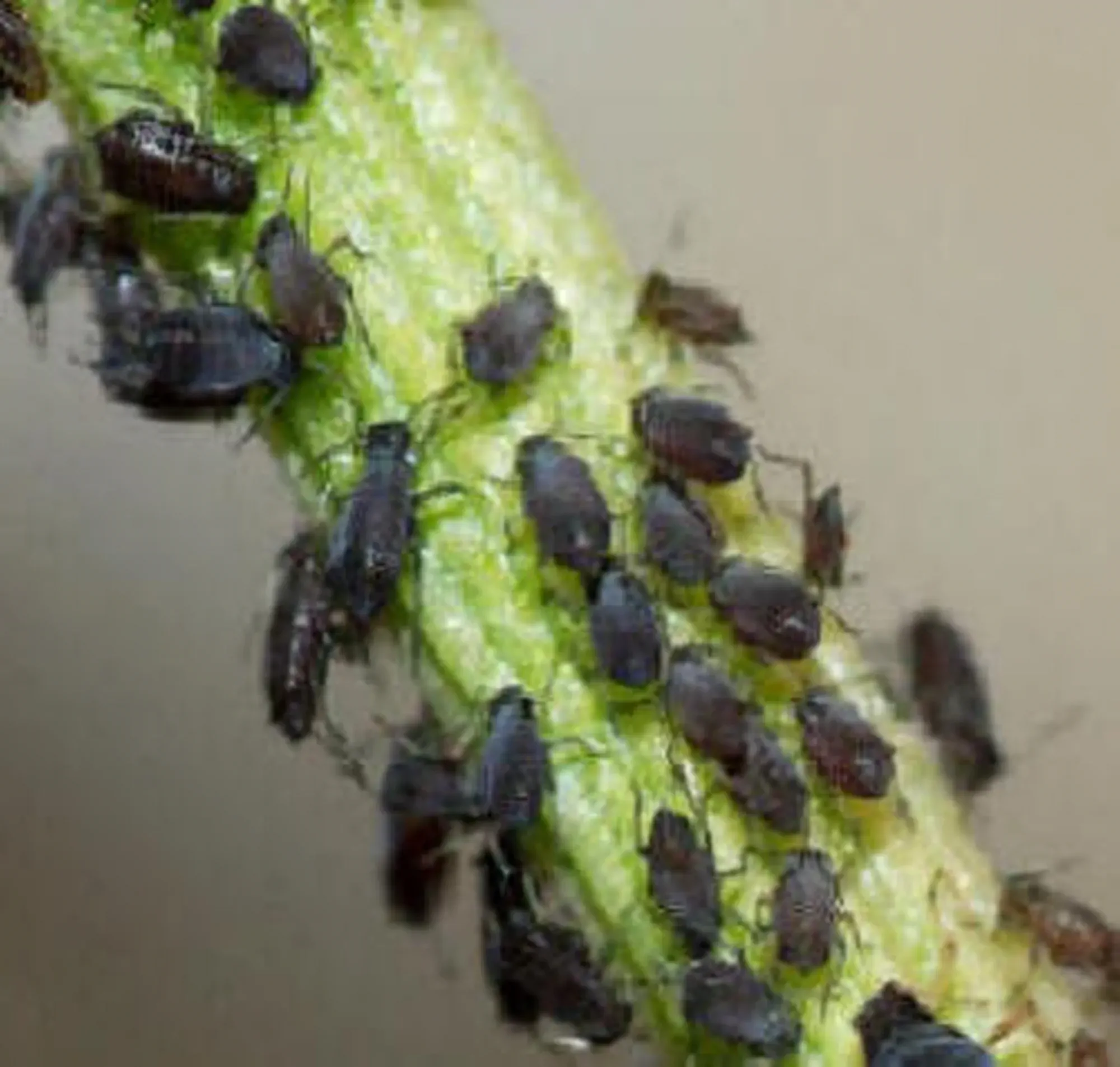
Aphids are small, sap-sucking insects that can cause serious damage to plants. They are a common garden pest, and can be found in many different climates. While they may seem harmless, Aphids can cause a lot of damage to plants, and can even spread diseases. Fortunately, there are a few simple steps you can take to protect your plants from Aphids. In this blog, we'll discuss everything you need to know about Aphids, from identifying them to controlling them. With the right knowledge and a bit of effort, you can keep your plants safe from these pesky pests.
Aphids, those small, sap-sucking insects, may seem harmless at first glance, but they can wreak havoc on your garden. These common pests can be found in a variety of climates and are notorious for causing substantial damage to plants. Even worse, Aphids are known to spread diseases among plants. But don't despair! There are simple steps you can take to protect your garden from these pesky invaders. In this blog, we'll cover everything you need to know about Aphids - from identification to prevention and control.
Identifying Aphids
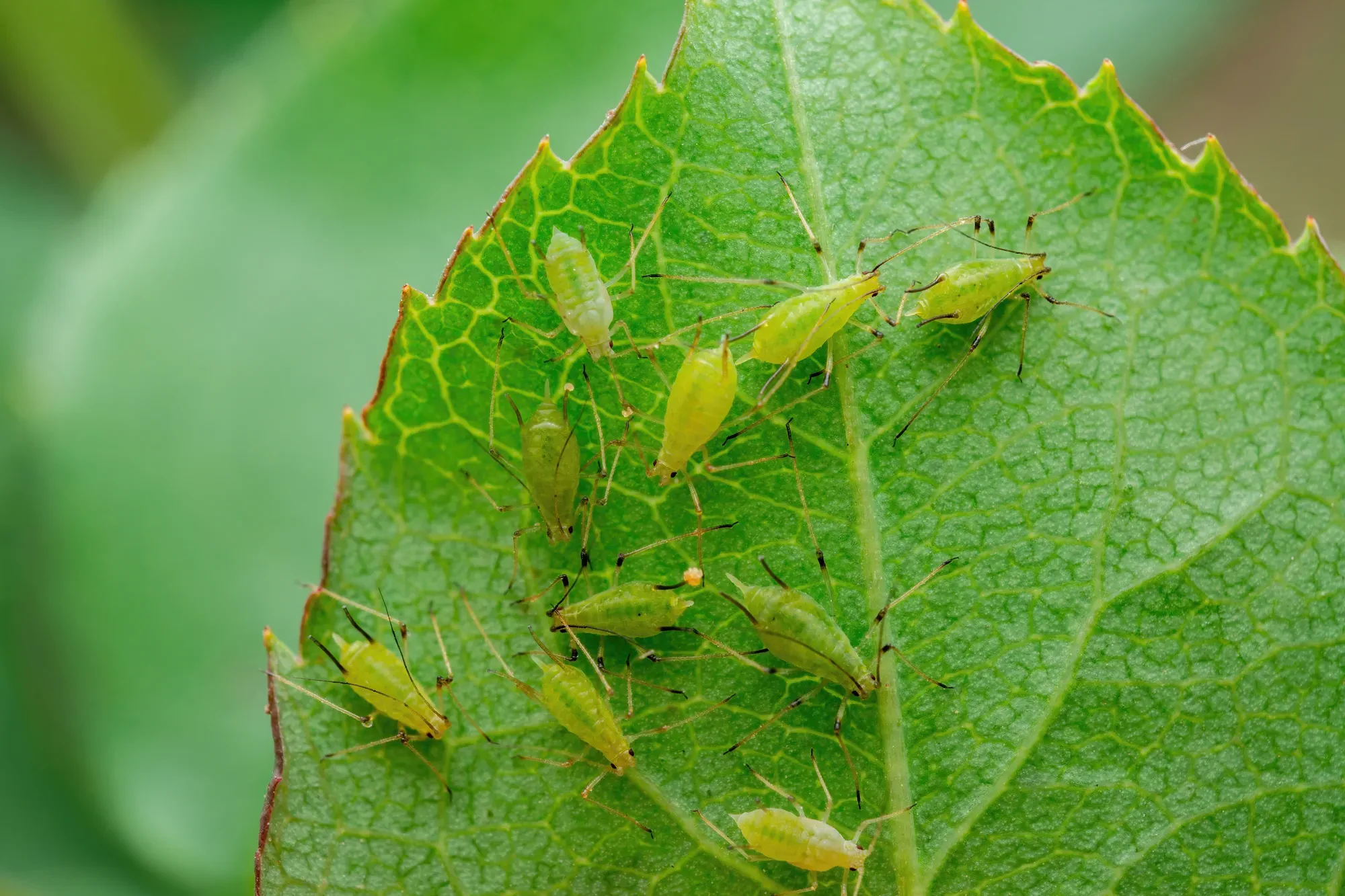
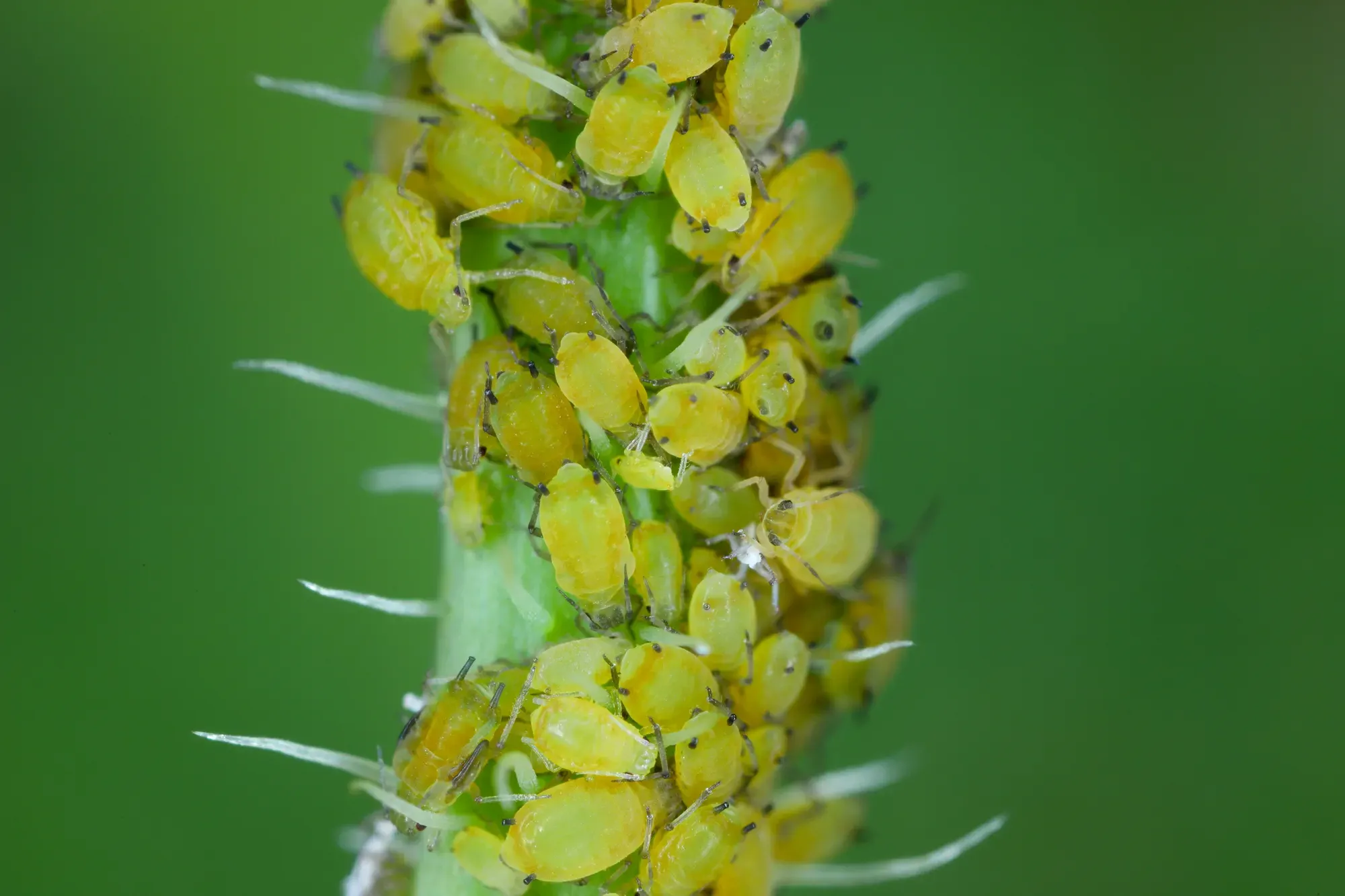
There are many different species of Aphids, but some of the most common ones found in UK gardens include the Black Bean Aphid, Green Peach Aphid, Rose Aphid, Peach-Potato Aphid, and Willow Aphid. They range in size from 2-5mm long and can be black, green, pinkish-brown, or brown in colour. Their bodies are pear-shaped, and they are often found clustered together on new growth or the undersides of leaves.
The Damage They Can Cause
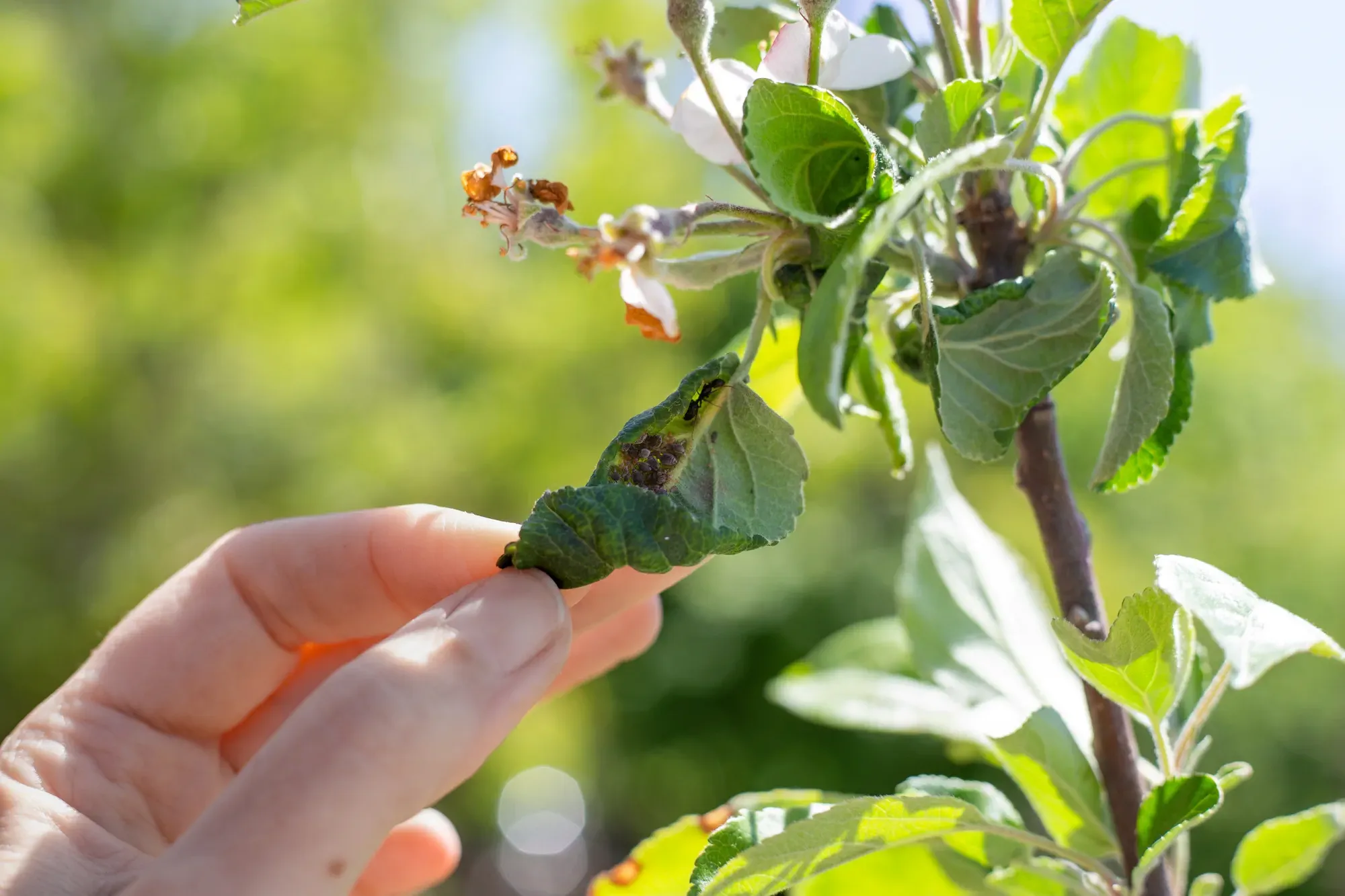
Aphids damage plants by sucking out their sap, which can cause leaves to curl and yellow. This can stunt the plant's growth and even lead to death in severe infestations. Aphids also excrete a sticky substance known as honeydew, which can encourage the growth of sooty mould, further harming the plant. Moreover, Aphids can transmit harmful plant viruses, which can cause additional damage.
Prevention and Control Methods
- Cultural Controls: Plant health is your first line of defence against Aphids. Healthy plants are less likely to be targeted by these pests. Ensure your plants are well watered and fertilised. If possible, opt for aphid-resistant plant varieties.
- Physical Controls: A strong spray of water can knock Aphids off plants - a simple but effective method of control. Reflective mulches can also deter Aphids.
- Biological Controls: Nature is your ally in the fight against Aphids. Encourage natural predators such as lady beetles, Lacewings, and parasitic wasps in your garden. These beneficial insects are known to feast on Aphids.
- Chemical Controls: If the infestation is severe, you might need to resort to chemical controls. Insecticidal soaps, horticultural oils, or other less toxic insecticides labelled for aphid control can be used. Remember to always follow label instructions when using these products.
Aphids, while small, can pose a big problem for gardeners. However, with knowledge and proactive measures, you can protect your garden from these troublesome pests. Remember, the best offence is a good defence. Keep your plants healthy, encourage natural predators, and be ready to act at the first sign of an infestation. Your garden will thank you!
What Are Aphids and What Do They Do?
Aphids are small, sap-sucking insects that can be found in gardens and on plants all over the world. They are usually green, but can also be brown, black, or yellow. Aphids feed on the sap of plants, which can cause damage to the plant and reduce its growth. They can also spread diseases and viruses to other plants. To protect your plants from Aphids, it is important to identify them and take steps to control them.
Aphids reproduce quickly, so it is important to take action as soon as you notice them. One way to control Aphids is to use insecticidal soap or horticultural oil. These products can be sprayed directly onto the Aphids to kill them. You can also use natural predators such as ladybugs, Lacewings, and hoverflies to help control aphid populations.
It is important to monitor your plants regularly for signs of Aphids. If you notice any, take action quickly to prevent further damage. With the right steps, you can keep your plants healthy and free of Aphids.
The Most Common Aphids Found in the UK

The Black Bean Aphid
The most common Aphids found in the UK that can cause harm to plants in your garden:
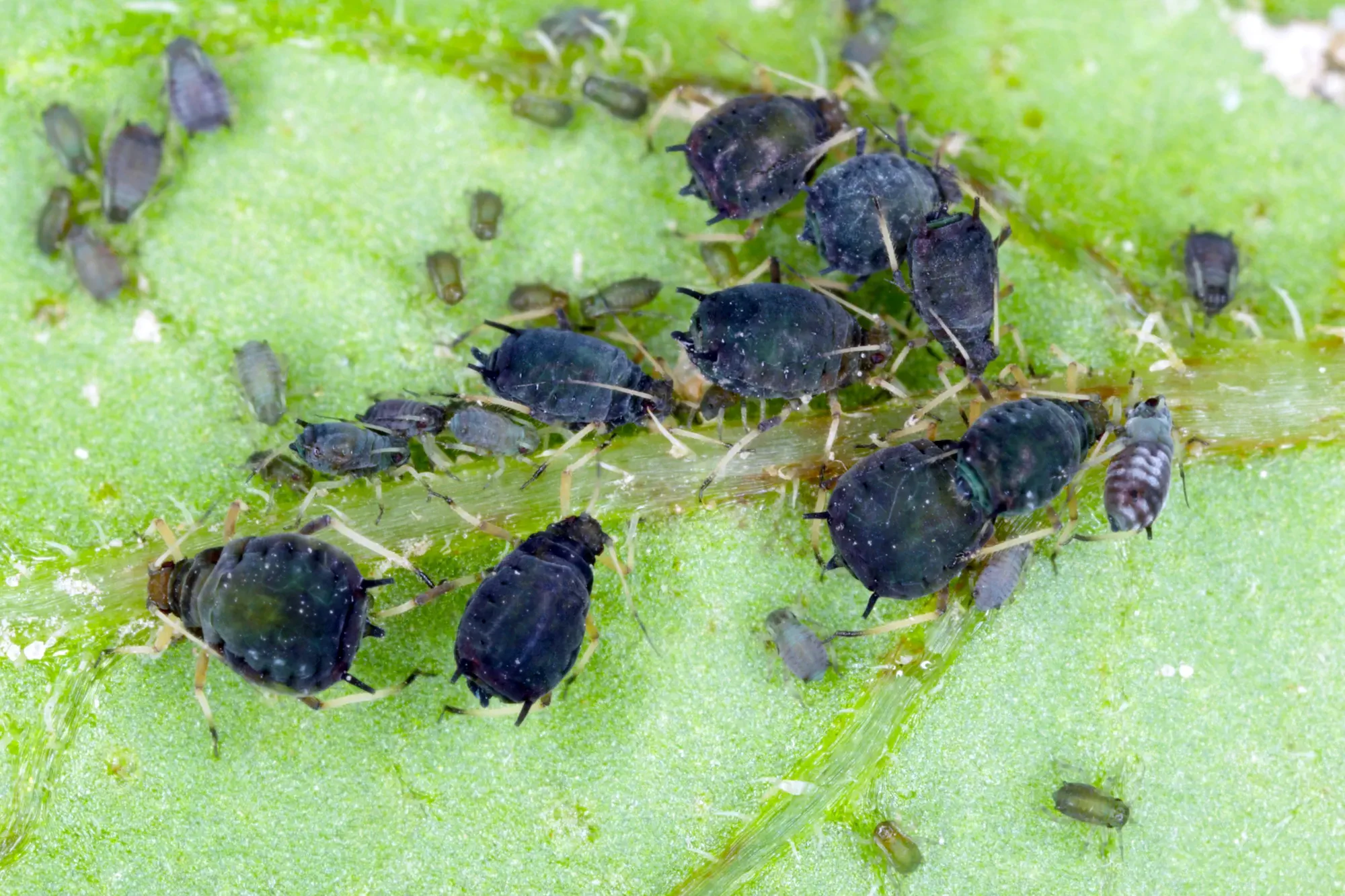
Black Bean Aphid (Aphis fabae)
- Physical Characteristics: These Aphids are shiny black and about 2-3mm long. They have a pear-shaped body.
- Habitats: They are typically found on beans, beetroot, and chard but can also infest many ornamental plants.
- Damage: They cause leaf curling, yellowing, and stunted growth. They also excrete a sticky honeydew which can lead to the growth of sooty mould.
Green Peach Aphid (Myzus persicae)
- Physical Characteristics: These Aphids are pale green to yellow and about 2mm long.
- Habitats: They are typically found on peach and other stone fruits, but can also infest pepper, tomato, potato, and cabbage.
- Damage: They cause leaf curling, yellowing, and stunted growth. They also transmit several plant viruses.
Rose Aphid (Macrosiphum rosae)
- Physical Characteristics: Rose Aphids are green or pink and about 2-3mm long.
- Habitats: As the name suggests, they infest roses.
- Damage: They cause leaf curling and yellowing. They can also transmit plant viruses.
Peach-Potato Aphid (Myzus persicae)
- Physical Characteristics: Peach-potato Aphids are pinkish-brown or green and about 2mm long.
- Habitats: They infest a wide range of plants including peach, potato, lettuce, and pepper.
- Damage: They cause yellowing and necrosis. They can also transmit plant viruses.
Willow Aphid (Tuberolachnus salignus)
- Physical Characteristics: Willow Aphids are brown and about 5mm long.
- Habitats: They infest willow trees.
- Damage: They cause yellowing, necrosis, and can lead to the death of branches or even the entire tree.
- Cultural Controls: Plant resistant varieties when available. Keep plants healthy with proper watering and fertilisation.
- Physical Controls: Use strong water sprays to knock Aphids off plants. Apply reflective mulches to deter Aphids.
- Biological Controls: Encourage natural enemies of Aphids in your garden such as lady beetles, Lacewings, and parasitic wasps.
- Chemical Controls: If necessary, use insecticidal soaps, horticultural oils, or other less toxic insecticides labelled for aphid control. Always follow label instructions.
The Good, Bad, and Ugly of Aphids

The Green Peach Aphid
Aphids are small, sap-sucking insects that can be found in gardens and on plants all over the world. While they may seem harmless, they can cause a lot of damage to plants and crops. Here's what you need to know about Aphids: the good, the bad, and the ugly.
The good news is that Aphids are a natural part of the ecosystem and can help to keep other pests in check. They also provide food for beneficial insects like ladybugs and Lacewings.
The bad news is that Aphids can cause a lot of damage to plants. They suck the sap from the leaves and stems, which can stunt the growth of the plant and even kill it. They also produce a sticky substance called honeydew, which can attract other pests and cause mold and mildew to grow on the plant.
The ugly truth is that Aphids can be difficult to get rid of. They reproduce quickly and can spread to other plants in your garden. The best way to control Aphids is to use natural methods such as introducing beneficial insects or spraying the plants with a mixture of water and soap.
Aphids can be a nuisance, but with the right knowledge and techniques, you can keep them under control.
Natural Remedies to Eliminate Aphids

The Peach Potato Aphid
Aphids are small, sap-sucking insects that can cause serious damage to your garden. They feed on the leaves and stems of plants, leaving them weakened and vulnerable to disease. Fortunately, there are natural remedies you can use to eliminate Aphids and protect your plants.
One of the most effective natural remedies for Aphids is to introduce beneficial insects into your garden. Ladybugs, Lacewings, and hoverflies are all natural predators of Aphids and can help keep their populations in check. You can also use insecticidal soap or neem oil to kill Aphids directly. Both of these products are safe for use around plants and animals, and they can be applied directly to the affected areas.
Finally, you can also use companion planting to deter Aphids from your garden. Planting certain herbs and flowers near your vegetables can help repel Aphids and keep them away from your plants. Marigolds, garlic, and chives are all great options for keeping Aphids away.
By using these natural remedies, you can eliminate Aphids and protect your garden from further damage. With a little bit of effort, you can keep your plants healthy and free from pests.
Natural Remedies to Eliminate Aphids from Your Garden
As a natural health enthusiast, I am always on the lookout for organic and eco-friendly solutions to everyday problems. Today, let's talk about Aphids, those small, sap-sucking pests that can wreak havoc in our gardens. While they might seem tiny and harmless, Aphids can cause significant damage to plants by sucking out their sap, leading to yellowed, curled leaves and stunted growth. Even worse, Aphids can spread harmful plant viruses. But fear not, there are several natural remedies that can help prevent and treat aphid infestations. Let's delve into some of these eco-friendly solutions.
-
1. Plant Companion Plants
Companion planting is a natural way to deter Aphids. Certain plants, like marigolds, dill, and nasturtiums, are known to repel Aphids. On the other hand, plants like fennel, dill, and coriander attract beneficial insects that prey on Aphids. Plant these in your garden as a preventative measure.
-
2. Use a Strong Water Spray
A simple spray of water can be surprisingly effective against Aphids. The force of the water dislodges the Aphids from the plants. This method is best used in the early stages of an infestation.
-
3. Apply Neem Oil
Neem oil is a natural pesticide derived from the neem tree. It disrupts the life cycle of Aphids and other pests without harming beneficial insects. Mix the neem oil with water as per the instructions on the bottle and spray it on the affected plants.
-
4. Create a Garlic or Chilli Spray
Garlic and chilli have natural insecticidal properties. To make a spray, blend a handful of hot peppers or garlic cloves with a small amount of water, strain the mixture, and add it to a litre of water. Spray this solution on the affected plants. Be careful not to get it in your eyes or on your skin as it can cause irritation.
-
5. Introduce Beneficial Insects
Beneficial insects like ladybirds, Lacewings, and parasitic wasps are natural predators of Aphids. You can attract these beneficial insects by planting flowers like daisies, sunflowers, and cosmos or you can purchase them from garden centres or online.
-
6. Using Sticky Fly Traps for Aphid Control
As a horticulturist, I understand the challenges posed by pesky Aphids. These small, sap-sucking insects can cause significant damage to your garden, leading to yellowed, curled leaves and stunted growth. They can even spread harmful plant viruses. But don't despair! There's a simple, effective, and eco-friendly solution at hand: Sticky Fly Traps.
What is a Sticky Fly Trap?Sticky Fly Traps are adhesive traps that catch and hold pests like Aphids, whiteflies, Thrips, and Leaf Miners. They're usually bright yellow, as many pests are attracted to this color, and covered in a sticky substance that traps the insects once they land on it.
How to Use Sticky Fly TrapsHere's a step-by-step guide on how to use Sticky Fly Traps to protect your garden from Aphids:
- Choosing the Right Trap: Sticky Fly Traps come in various shapes and sizes. For Aphids, consider using smaller traps that can be hung at the plant’s level where Aphids are most likely to be found.
- Setting Up the Trap: Position the traps near the affected plants, but not directly above them, as you don't want dead insects or sticky residue falling onto the plants. If you're dealing with a large infestation, place several traps around your garden.
- Installation: Hang the traps from plant branches using the wires or ties provided. Make sure the sticky surface is facing outwards.
- Maintenance: Check the traps regularly. Once a trap is full of insects, replace it with a new one. During heavy infestations, you may need to replace the traps more frequently.
Using Sticky Fly Traps offers numerous benefits. They provide a non-toxic way to control Aphids and other pests, reducing the need for chemical pesticides. They're easy to use, and they allow you to monitor the level of infestation in your garden, which can be helpful in determining if further control measures are necessary.
Remember, while Sticky Fly Traps can significantly reduce aphid populations, they're most effective when used as part of an integrated pest management strategy. This can include methods like encouraging beneficial insects, using row covers, and planting resistant varieties.
Gardening should be a joy, not a struggle against pests. Armed with knowledge and the right tools such as Sticky Fly Traps, you can protect your garden from Aphids and enjoy the fruits (and vegetables and flowers) of your labor!
-
7. Protect Your Garden from Aphids with Insect Netting
As an experienced gardener, I've had my fair share of battles with Aphids, tiny sap-sucking pests that can cause significant damage to plants. Aphids feed on plant sap, stunting growth, distorting leaves, and even spreading plant diseases. But don't worry, there are several effective methods to control these pesky invaders, one of which being insect netting.
What is Insect Netting?Insect netting, also known as garden netting or crop protectors, act as a physical barrier between your precious plants and the outside world. They're made of fine mesh material that allows sunlight and rain to reach the plants while keeping unwanted pests like Aphids out.
Choosing the Right Insect NettingWhen selecting insect netting for your garden, consider the following factors:
- Mesh Size: Choose a net with a mesh size small enough to keep Aphids out. Typically, a mesh size of 0.6mm or less should be sufficient.
- Material: Opt for a durable, UV-resistant material that can withstand weather conditions.
- Size: The size of the netting will depend on the size of your garden or the specific area you want to protect.
Here's a step-by-step guide to installing insect netting in your garden:
- Measure the Area: Determine the size of the area you want to cover. This could be individual plants, a raised bed, or your entire garden.
- Prepare the Structure: Install hoops or frames over the area to support the netting. The structure should be high and wide enough to prevent the netting from touching the plants, as Aphids can still reach through the netting to the plants if it's touching.
- Install the Netting: Drape the netting over the structure, making sure it covers all sides. Secure the bottom with weights or pegs to prevent Aphids from getting in.
Proper care and maintenance of your insect netting will ensure its effectiveness and longevity:
- Regular Inspections: Check your netting regularly for any tears or holes through which Aphids could enter and repair them promptly.
- Clean the Netting: Over time, the netting may accumulate dust and debris that can block sunlight. Clean it gently with water as needed.
- Storage: If you're not using the netting year-round, store it in a cool, dry place to prevent damage.
Remember, while insect netting can significantly help control Aphids, it's most effective when used in conjunction with other methods like introducing beneficial insects, planting aphid-resistant varieties, and practicing good garden hygiene. With these strategies in place, you'll be well-equipped to protect your garden from Aphids and help your plants thrive!
Always remember to test these remedies on a small portion of the plant first to ensure they do not harm the plant. Also, these methods work best when combined and used consistently. Aphid control is an ongoing process, but with patience and persistence, you can protect your garden naturally.
Protecting Your Plants from Aphids

The Rose Aphid
Aphids are one of the most common garden pests, and they can wreak havoc on your plants if left unchecked. These tiny insects feed on the sap of plants, leaving them weakened and vulnerable to disease. Fortunately, there are a few simple steps you can take to protect your plants from Aphids.
The first step is to identify the presence of Aphids. Look for small, soft-bodied insects on the stems and leaves of your plants. They may be green, black, or yellow in color. If you see any, it’s time to take action.
The next step is to remove the Aphids from your plants. You can do this by hand or with a spray of water. If you choose to use a spray, make sure it’s specifically designed to kill Aphids.
Finally, you can use natural predators to help control the aphid population. Ladybugs, Lacewings, and parasitic wasps are all effective at controlling Aphids. You can also use insecticidal soaps or oils to help keep Aphids away.
By following these simple steps, you can protect your plants from Aphids and keep your garden looking its best. With a little bit of effort, you can keep your plants healthy and free from these pesky pests.
As a horticulturist, it's important to balance the use of chemical remedies with the overall health and biodiversity of your garden. Chemical treatments can be highly effective against Aphids, but they also come with potential risks and side effects. Here are some common chemical remedies for Aphids:
-
Insecticidal Soaps
- Advantages: These soaps work by dissolving the protective coating on Aphids, causing them to dehydrate and die. They're generally safe for humans and pets.
- Disadvantages: They can be harmful to beneficial insects like bees and ladybugs. They need to be reapplied frequently and may not be as effective in controlling large infestations.
- Application: Spray directly on Aphids, being sure to cover all plant surfaces, as it only kills on contact. Best used early morning or late evening to avoid sunburn on plants.
- Risks: Can cause damage to certain plants. Always test on a small portion of the plant first.
- Products: Safer Brand Insect Killing Soap, Garden Safe Insecticidal Soap.
-
Neem Oil
- Advantages: Neem oil is a natural pesticide that disrupts the life cycle of Aphids without harming beneficial insects when used correctly.
- Disadvantages: It can be harmful to aquatic life and should not be used near bodies of water. It also has a strong smell that some people find unpleasant.
- Application: Mix with water as per instructions on the bottle and spray on affected plants. Apply early morning or late evening.
- Risks: Can cause skin irritation in some people. Always wear gloves when handling.
- Products: Garden Safe Neem Oil Extract, Bonide Neem Oil.
-
Pyrethrin-Based Insecticides
- Advantages: Pyrethrins are natural insecticides made from chrysanthemum flowers. They're highly effective against Aphids.
- Disadvantages: They're toxic to many beneficial insects and can be harmful to pets if ingested.
- Application: Spray on affected plants, being sure to cover all surfaces. Follow instructions on the label for frequency of application.
- Risks: Can cause skin and eye irritation. Always wear protective clothing when spraying.
- Products: Bonide Pyrethrin Garden Insect Spray, Safer Brand Home & Garden Spray.
-
Homemade Remedies
- Dish Soap and Water: Mix a few drops of dish soap with water and spray on Aphids. The soap dissolves the aphid's protective coating, leading to dehydration.
- Garlic or Chilli Spray: Blend a handful of hot peppers or garlic cloves with a small amount of water, strain the mixture, and add it to a litre of water. Spray this solution on the affected plants.
Always remember to follow the instructions on the product label and to apply these treatments in the early morning or late evening when beneficial insects are less active. Also, consider integrating these treatments with other non-chemical methods for a more sustainable approach to aphid control.
10 Tips for Avoiding Aphid Damage

The Willow Aphid
Aphids are a common garden pest that can cause serious damage to your plants. Fortunately, there are a few simple steps you can take to protect your plants from aphid damage. Here are 10 tips for avoiding aphid damage:
- 1. Plant a variety of flowers and vegetables in your garden. Aphids are attracted to certain plants, so planting a variety of plants can help reduce the risk of aphid infestation.
- 2. Keep your garden clean and free of debris. Aphids are attracted to decaying plant matter, so removing any dead leaves or stems can help keep them away.
- 3. Introduce beneficial insects to your garden. Ladybugs, Lacewings, and other predatory insects can help keep aphid populations in check.
- 4. Use insecticidal soap or horticultural oil to control aphid populations. These products are safe for use on edible plants and can help reduce the number of Aphids in your garden.
- 5. Plant garlic, chives, and other herbs that repel Aphids. These herbs can help keep Aphids away from your plants.
- 6. Use row covers to protect your plants from Aphids. Row covers can help keep Aphids away from your plants and can also help protect them from other pests.
- 7. Prune your plants regularly. Pruning can help reduce the number of Aphids in your garden by removing their food sources.
- 8. Use companion planting to your advantage. Planting certain plants near each other can help repel Aphids and other pests.
- 9. Use sticky traps to monitor aphid populations. Sticky traps can help you identify aphid infestations early and take action to control them.
- 10. Water your plants regularly. Aphids are attracted to dry, stressed plants, so keeping your plants well-watered can help reduce the risk of aphid damage.
By following these tips, you can help protect your plants from aphid damage and keep your garden healthy and thriving.
The A-Z Guide to Controlling Aphids in Your Garden

The Wayfaring tree - sedge Aphid
Aphids are one of the most common garden pests, and they can wreak havoc on your plants if left unchecked. Fortunately, there are a few simple steps you can take to control Aphids in your garden. Here is an A-Z guide to controlling Aphids in your garden:
- A is for Aphids: Identifying the type of aphid you have in your garden is the first step in controlling them. Aphids come in a variety of shapes, sizes, and colors, so it’s important to know what you’re dealing with.
- B is for Beneficial Insects: Introducing beneficial insects into your garden can help control aphid populations. Ladybugs, Lacewings, and hoverflies are all natural predators of Aphids and can help keep them in check.
- C is for Companion Planting: Planting certain companion plants near your vegetables can help repel Aphids. Garlic, chives, and marigolds are all known to repel Aphids and can be planted near your vegetables to help keep them away.
- D is for Deterrents: There are a variety of natural deterrents you can use to keep Aphids away from your plants. Spraying your plants with a mixture of garlic and water can help repel Aphids, as can spraying them with a mixture of neem oil and water.
- E is for Elimination: If all else fails, you may need to resort to chemical control methods to eliminate Aphids from your garden. Insecticidal soaps and horticultural oils are effective at killing Aphids, but should be used as a last resort.
By following these simple steps, you can control Aphids in your garden and keep your plants healthy and thriving.
Protecting Your Plants from Infestations: 5 Ways to Rid Aphids

The Pink Tansy Aphid
Aphids are one of the most common garden pests, and they can wreak havoc on your plants if left unchecked. Fortunately, there are a few simple steps you can take to protect your plants from Aphids and keep them healthy. Here are five ways to rid your garden of Aphids:
- 1. Start by inspecting your plants for signs of Aphids. Look for small, soft-bodied insects that are usually green, black, or yellow in color. If you spot any, take action immediately.
- 2. Prune away any affected leaves or stems. This will help to reduce the number of Aphids in your garden and prevent them from spreading to other plants.
- 3. Introduce beneficial insects into your garden. Ladybugs, Lacewings, and hoverflies are all natural predators of Aphids and can help to keep their numbers in check.
- 4. Use a natural insecticidal soap or neem oil to kill Aphids on contact. These products are safe for use around plants and can be applied directly to the affected areas.
- 5. Plant companion plants that naturally repel Aphids. Garlic, chives, and marigolds are all known to deter Aphids and can help to keep them away from your other plants.
By following these simple steps, you can protect your plants from Aphids and keep your garden looking its best.
Understanding Aphids: Uncovering the Secrets of These Tiny Insects

The Yellow Birch Aphid
Aphids are small, sap-sucking insects that can be found in gardens, fields, and forests all over the world. These tiny creatures are often overlooked, but they play an important role in the environment. Aphids feed on the sap of plants, and in doing so, they help to spread pollen and other nutrients throughout the ecosystem. They also provide food for other animals, such as birds and ladybugs. Understanding Aphids is essential for maintaining a healthy garden or field.
Aphids come in a variety of shapes and sizes, and they can be found in a range of colors, from green to yellow to black. They have a soft, pear-shaped body and long antennae. Aphids reproduce quickly, and they can quickly become a nuisance if left unchecked. To prevent an aphid infestation, it is important to identify the species of aphid and take steps to control their population.
Aphids can be controlled by using natural methods, such as introducing beneficial insects like ladybugs or Lacewings, or by using chemical pesticides. It is important to use the right method for the right species of aphid, as some methods may be more effective than others.
Additionally, it is important to monitor the population of Aphids to ensure that they do not become a problem.
Understanding Aphids is essential for maintaining a healthy garden or field. By taking the time to identify the species of aphid and using the right methods to control their population, you can ensure that your garden or field remains healthy and free of pests.
Conclusion: Aphids are a common garden pest that can cause significant damage to your plants. While they can be difficult to control, there are a number of natural remedies and preventative measures you can take to protect your plants from infestations. By understanding the life cycle of Aphids, you can better identify and eliminate them from your garden. With the right knowledge and tools, you can keep your garden healthy and free of Aphids. So, take the time to learn more about these tiny insects and take the necessary steps to protect your plants from infestations.
Frequently Asked Questions About Aphids

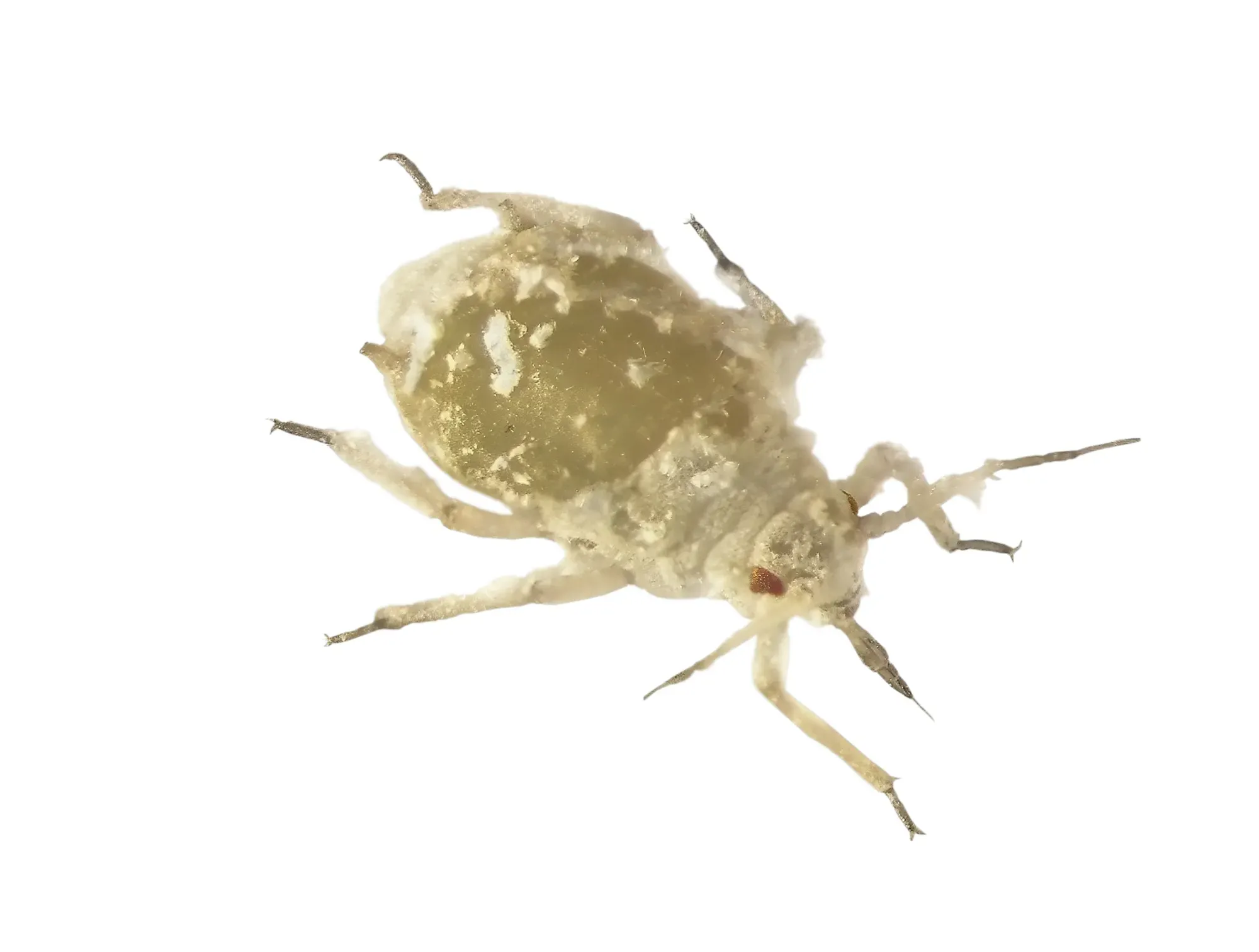
The Aphid Mummy
FAQ Questions and Answers:
- Q1: What are Aphids? A1: Aphids are small, soft-bodied insects that feed on the sap of plants. They come in a variety of colors, including green, yellow, brown, and black. They are typically found on the underside of leaves and stems, and can cause damage to plants if left unchecked.
- Q2: What do Aphids do? A2: Aphids feed on the sap of plants, which can cause damage to the plant. They can also spread plant diseases, as they can carry viruses from one plant to another.
- Q3: What are the good, bad, and ugly of Aphids? A3: The good of Aphids is that they can help to pollinate plants, as they move from one plant to another. The bad is that they can cause damage to plants, and spread plant diseases. The ugly is that they can be difficult to control, as they reproduce quickly and can be hard to spot.
- Q4: What are some natural remedies to eliminate Aphids? A4: Some natural remedies to eliminate Aphids include using insecticidal soap, horticultural oil, or neem oil. You can also use natural predators such as ladybugs or Lacewings to help control aphid populations.
- Q5: What are some tips for avoiding aphid damage? A5: Some tips for avoiding aphid damage include keeping your garden clean and free of debris, removing any infested plants, and using natural predators such as ladybugs or Lacewings to help control aphid populations.
- Q6: What is the A-Z guide to controlling Aphids in your garden? A6: The A-Z guide to controlling Aphids in your garden includes: A - Assess the damage; B - Buy natural predators; C - Clean up debris; D - Destroy infested plants; E - Encourage beneficial insects; F - Fertilize regularly; G - Gently spray with water; H - Handpick Aphids; I - Introduce natural predators; J - Join forces with other gardeners; K - Keep an eye out for signs of infestation; L - Look for natural remedies; M - Monitor the situation; N - Neem oil; O - Observe the plants; P - Plant companion plants; Q - Quarantine infested plants;
How to Prune Climbing Vines
List by Variety
- How to Prune Actinidia
- How to Prune Akebia
- How to Prune Bougainvillea
- How to Prune Campsis
- How to Prune Celastrus
- How to Prune Chilean Glory Vine
- How to Prune Clematis Armandii
- How to Prune Clematis Montana
- How to Prune Climbing Rose
- How to Prune Hedera GoldHeart
- How to Prune Honeysuckle
- How to Prune Hydrangea Petiolaris
- How to Prune Ivy
- How to Prune Japanese Wisteria
- How to Prune Morning Glory
- How to Prune Parthenocissus
- How to Prune Persian Ivy Hedera Colchica
- How to Prune Schisandra
- How to Prune Star Jasmine
- How to Prune Sweet Peas
- How to Prune True Jasmine
- How to Prune Virginia Creeper
- How to Prune Wisteria
How to Prune Hedges
List by Variety
- How to Prune an Arborvitae Hedge
- How to Prune a Barberry Hedge
- How to Prune a Beech Hedge
- How to Prune a Boxwood Hedge
- How to Prune a Butterfly Bush Hedge
- How to Prune a Cotoneaster Hedge
- How to Prune an English Lavender Hedge
- How to Prune an Escallonia Hedge
- How to Prune an Euonymus-Hedge
- How to Prune a Firethorn Hedge
- How to Prune a Forsythia Hedge
- How to Prune a Griselinia Hedge
- How to Prune a Hawthorn Hedge
- How to Prune a Holly Hedge
- How to Prune a Hornbeam Hedge
- How to Prune a Juniper Hedge
- How to Prune a Laurel Hedge
- How to Prune a Leylandii Hedge
- How to Prune a Lilac Hedge
- How to Prune a Maple Leaf Viburnum Hedge
- How to Prune a Photinia Hedge
- How to Prune a Pink Ramanus Rose Hedge
- How to Prune a Privet Hedge
- How to Prune a Pyracantha Hedge
- How to Prune a Spirea Hedge
- How to Prune a Thuja Hedge
- How to Prune a Viburnum Hedge
- How to Prune a Western Red Cedar Hedge
- How to Prune a Yew Hedge
How to Prune Shrubs
List by Variety
- How to Prune an Abelia Shrub
- How to Prune an Abutilon
- How to Prune an Acer / Japanese-Maple
- How to Prune an Amelanchiers
- How to Prune an Apple-Tree
- How to Prune an Arbovitae Shrub
- How to Prune an Arbutus
- How to Prune an Aucuba
- How to Prune a Azalea Mollis
- How to Prune Azaleas
- How to Prune a Bay Tree Shrub
- How to Prune a Berberis Darwinii
- How to Prune Berberis Deciduous Types
- How to Prune a Boxwood Shrubs
- How to Prune a Brachyglottis Senecio
- How to Prune a Buddleia Alternifolia
- How to Prune Buddleias Butterfly Bushes
- How to Prune a Buddleja Globosa
- How to Prune a Callicarpa
- How to Prune a Camellia
- How to Prune a Caryopteris
- How to Prune a Catalpa Bignonioides Aurea
- How to Prune Ceanothus Deciduous Types
- How to Prune Ceanothus Evergreen Types
- How to Prune a Ceratostigma
- How to Prune a Chaenomeles
- How to Prune a Choisya
- How to Prune a Cistus
- How to Prune a Clematis
- How to Prune a Cornus
- How to Prune a Cotinus Royal Purple
- How to Prune a Cytisus Scoparius
- How to Prune a Exochorda x Macrantha
- How to Prune a Forsythia
- How to Prune a Hebe
- How to Prune a Hydrangeas
- How to Prune Juniper Shrubs
- How to Prune a Lavatera
- How to Prune Lilac Bushes
- How to Prune a Mugo Pine
- How to Prune Rose Bushes
- How to Prune Ribes
- How to Prune Spirea Shrubs
- How to Prune Viburnum Shrubs
- How to Prune a Weigela
- How to Prune a Yew
How to Prune Trees
List by Variety
- How to Prune a Apple Tree
- How to Prune a Apricot Tree
- How to Prune a Ash Tree
- How to Prune a Birch Tree
- How to Prune a Cherry Tree
- How to Prune a Elm Tree
- How to Prune a Fig Tree
- How to Prune a Grape Tree
- How to Prune a Hickory Tree
- How to Prune a Maple Tree
- How to Prune a Oak Tree
- How to Prune an Olive Tree
- How to Prune a Peach Tree
- How to Prune a Pear Tree
- How to Prune a Plum Tree
- How to Prune a Poplar Tree
- How to Prune a Walnut Tree
Gallery
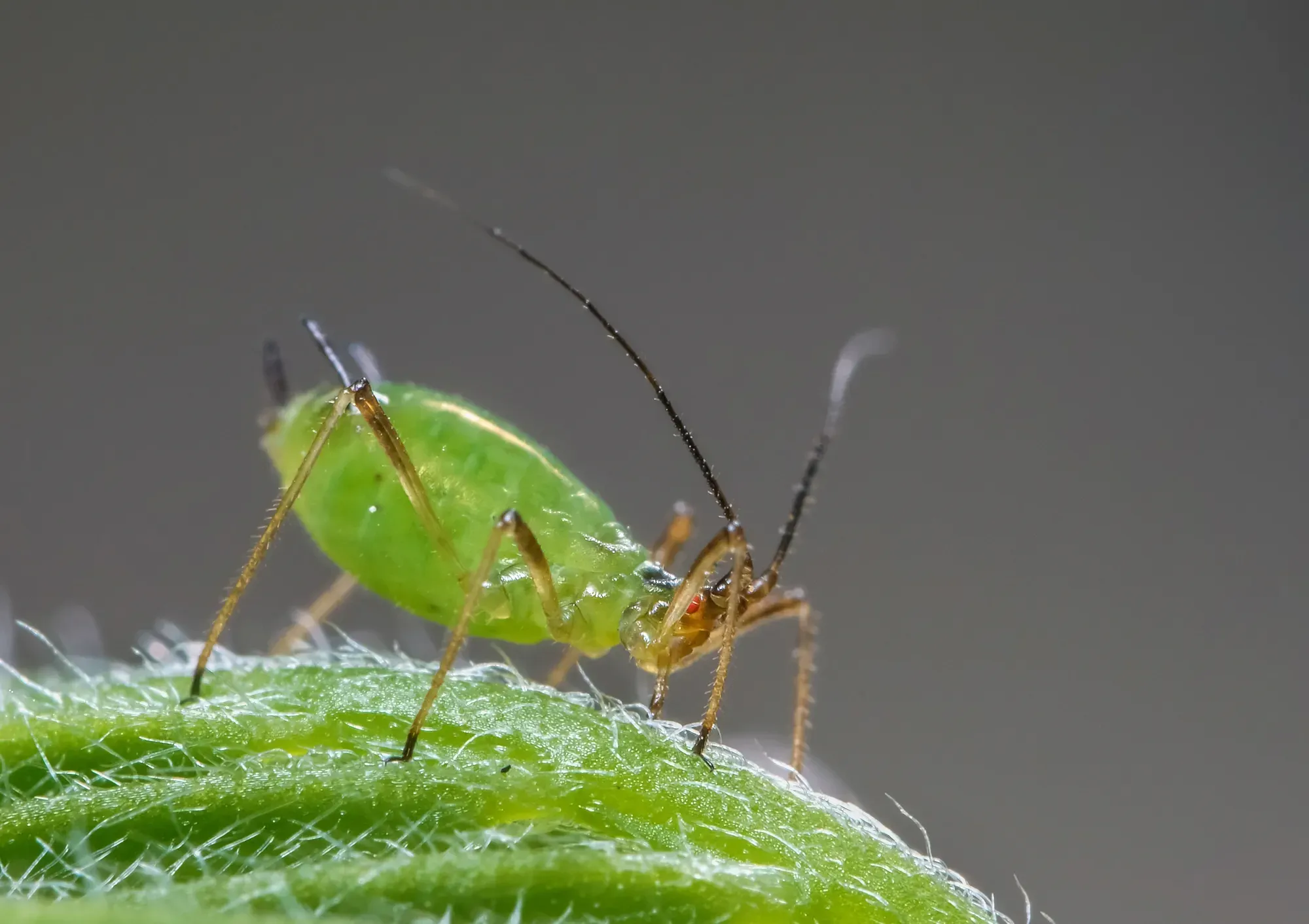
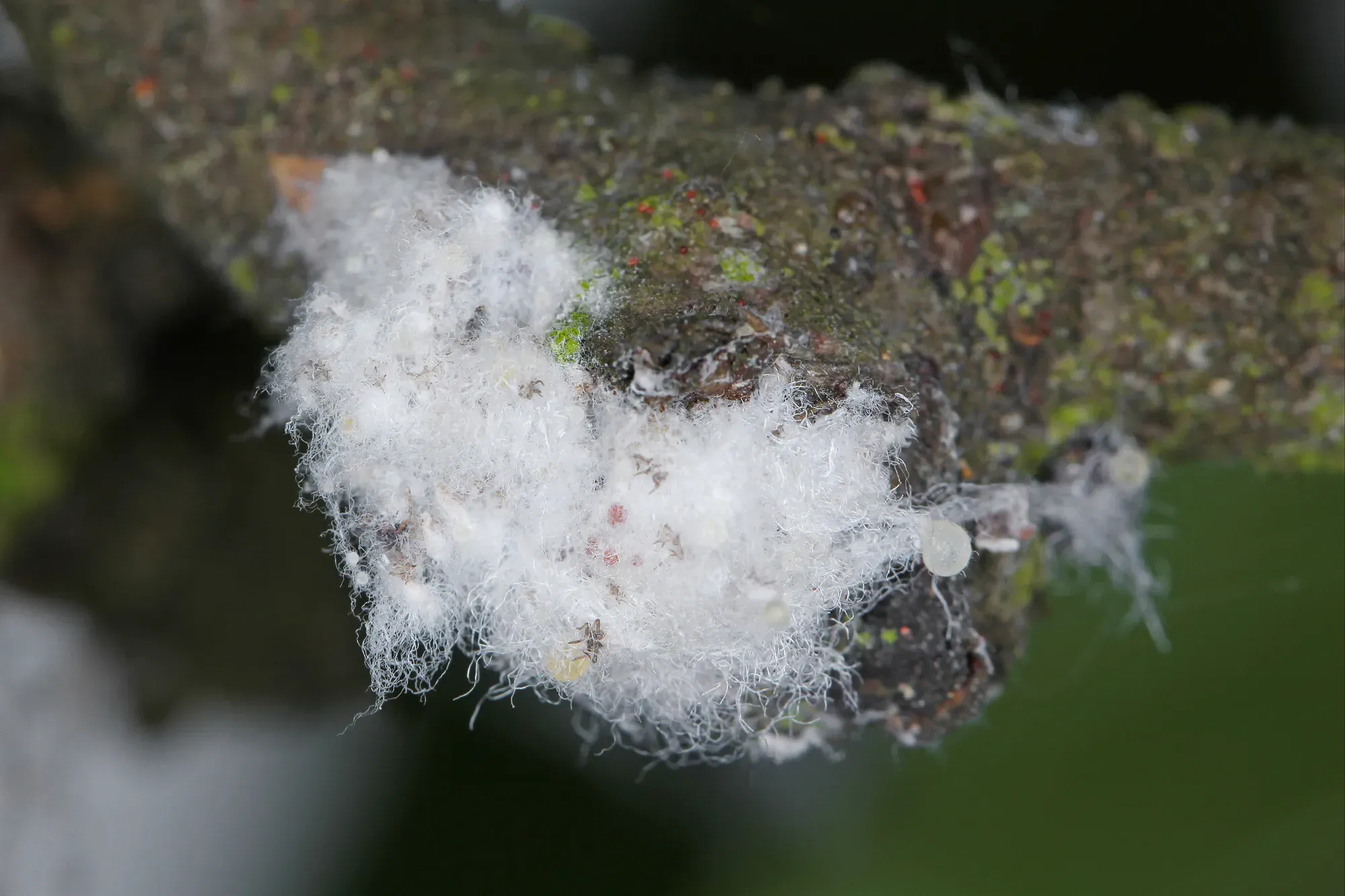
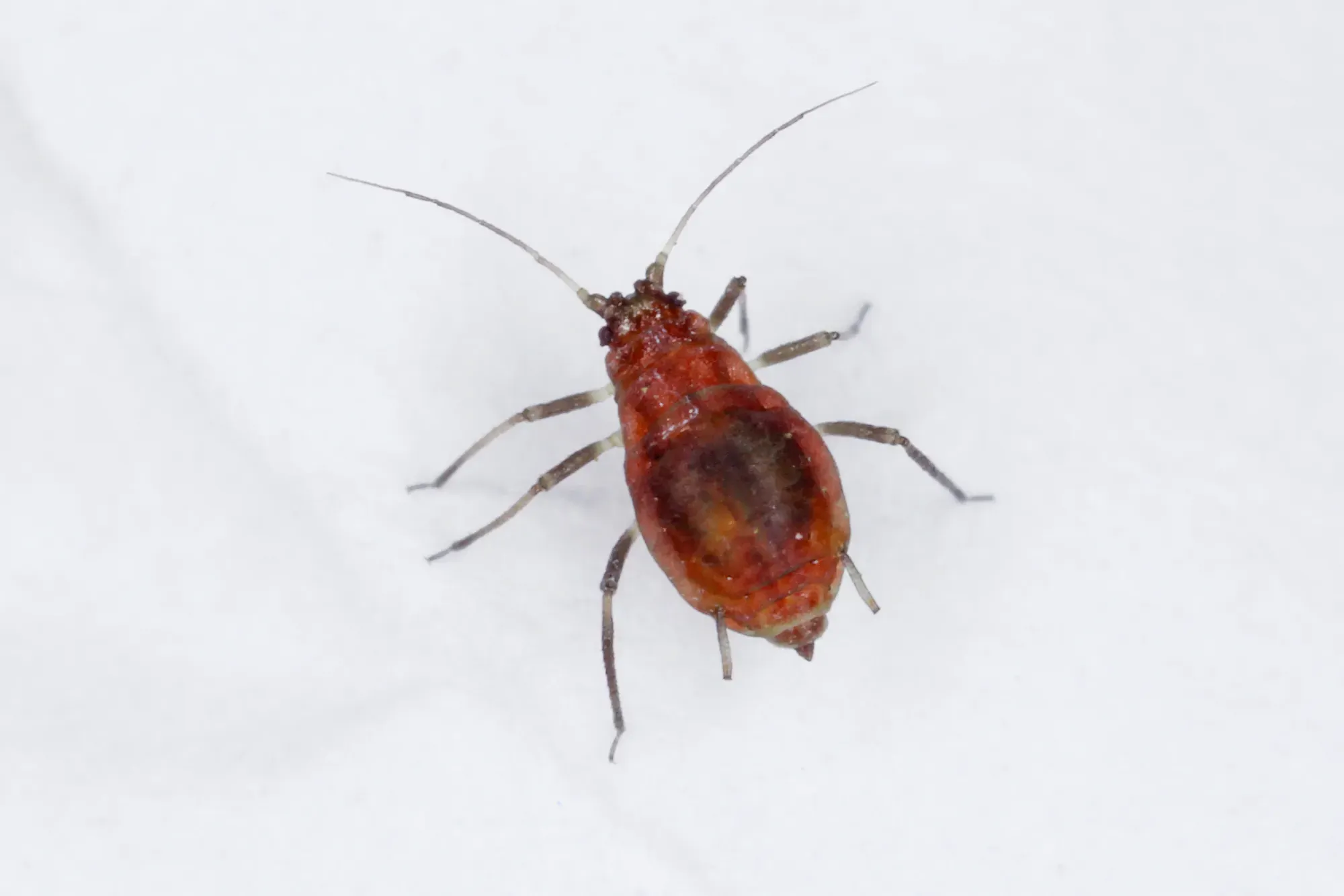
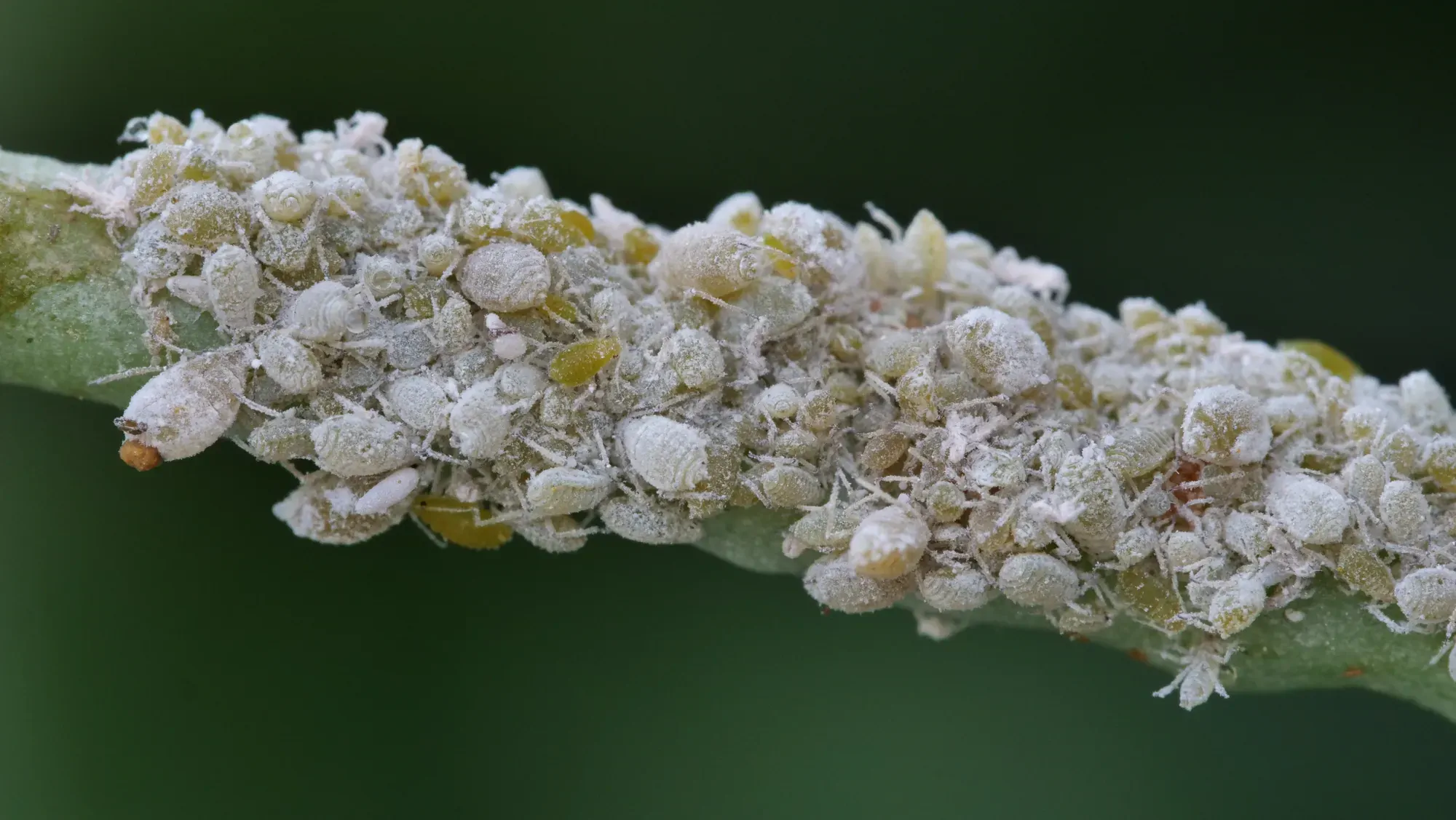
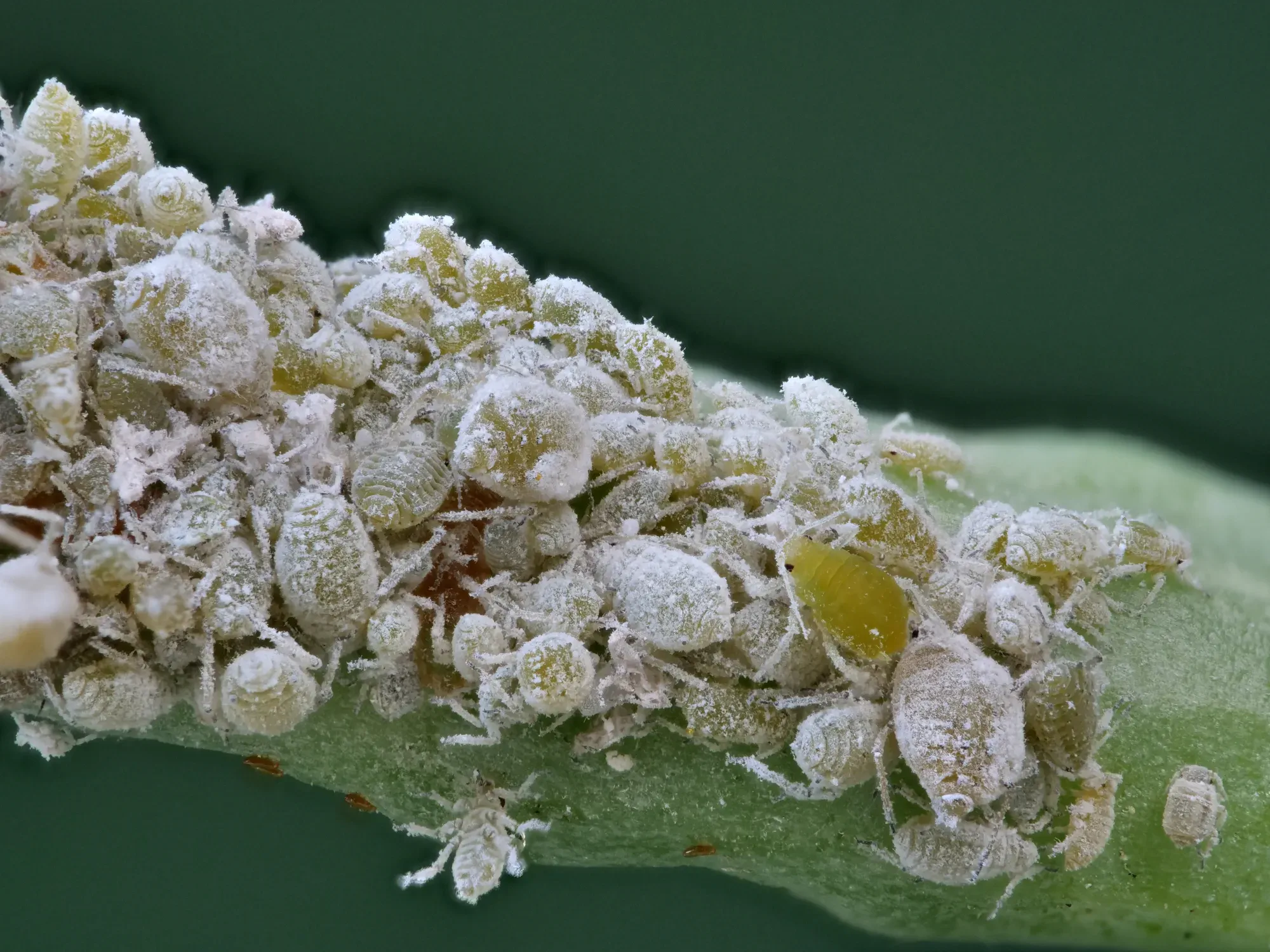
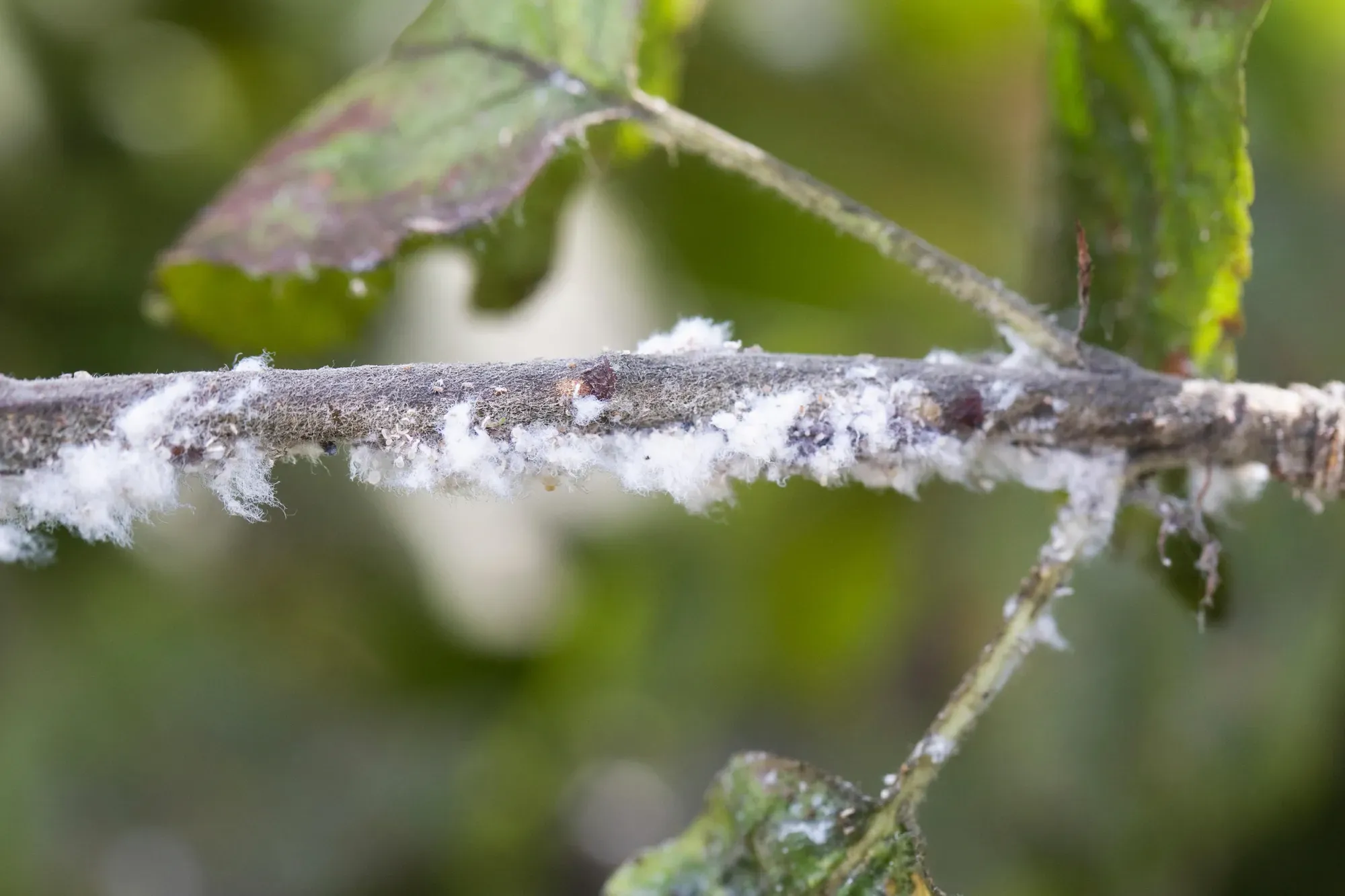
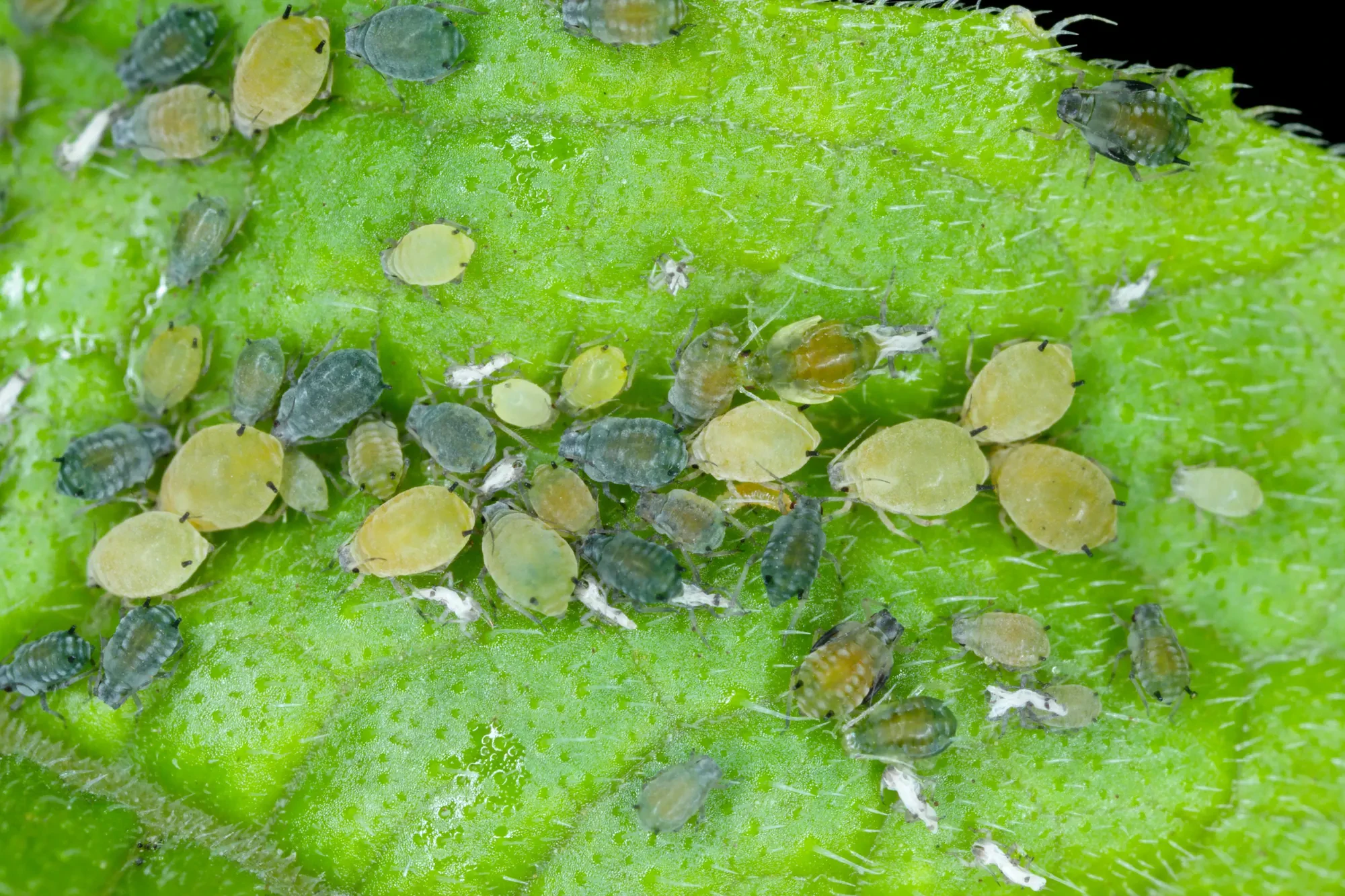
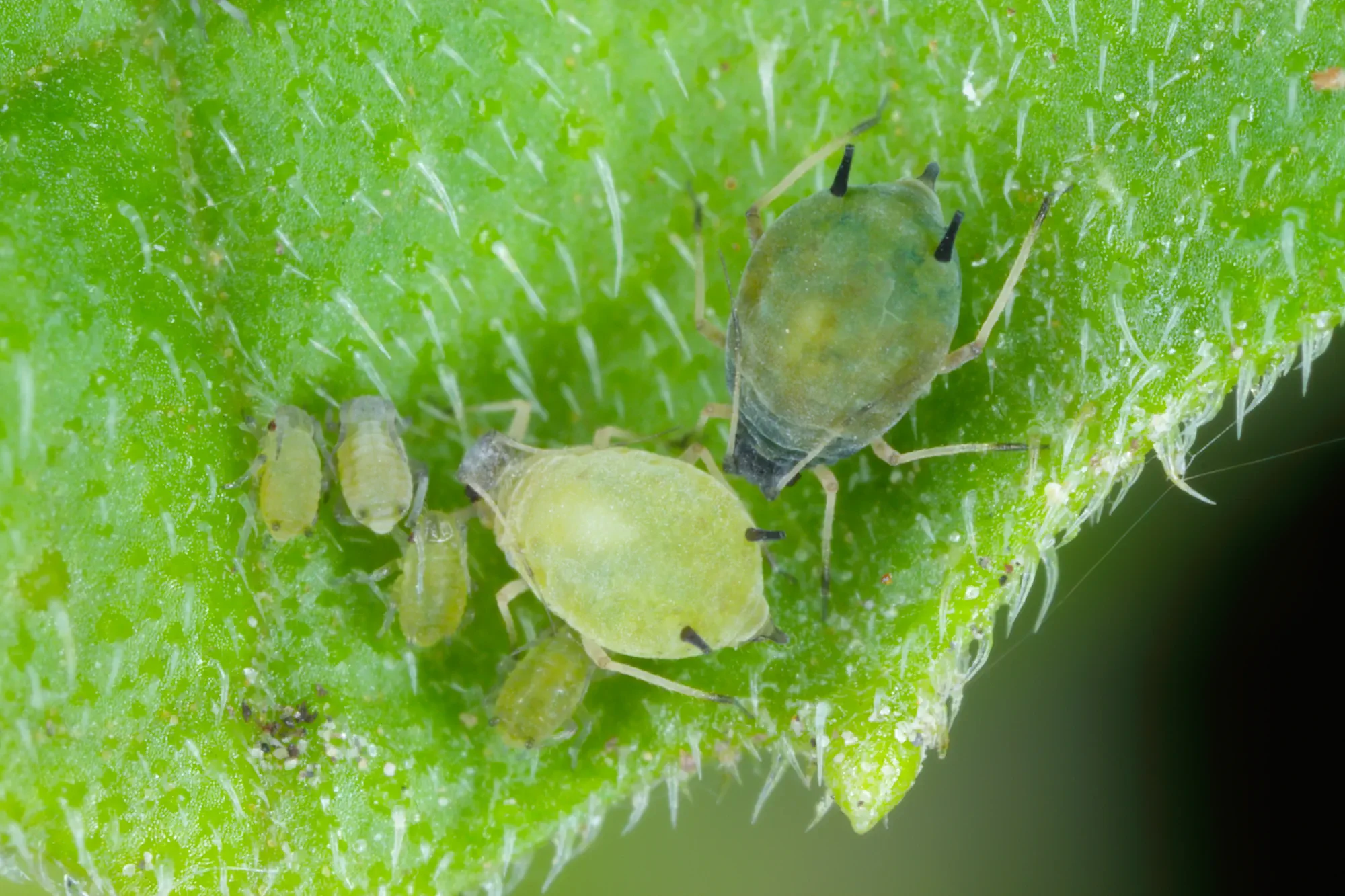
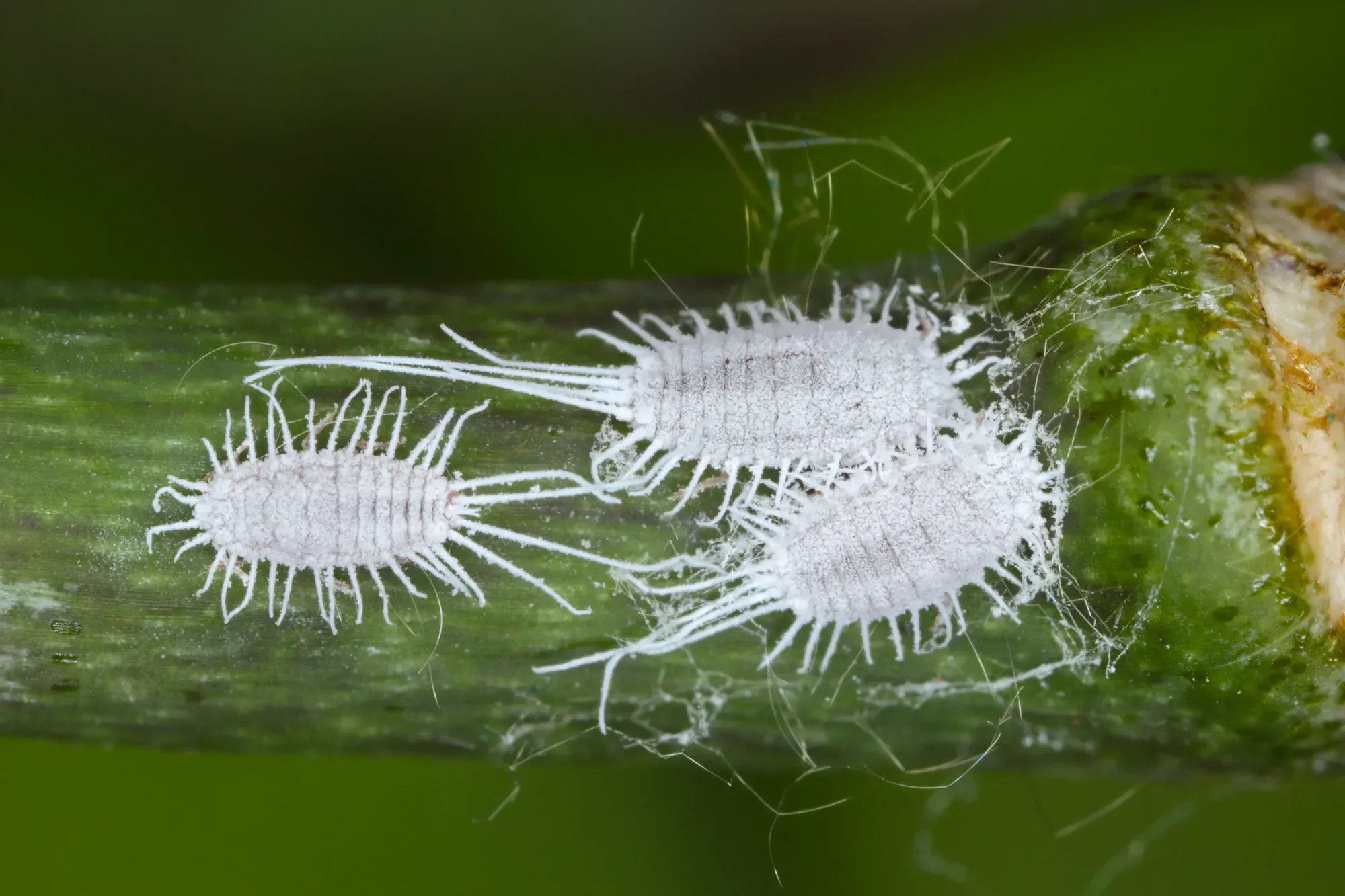
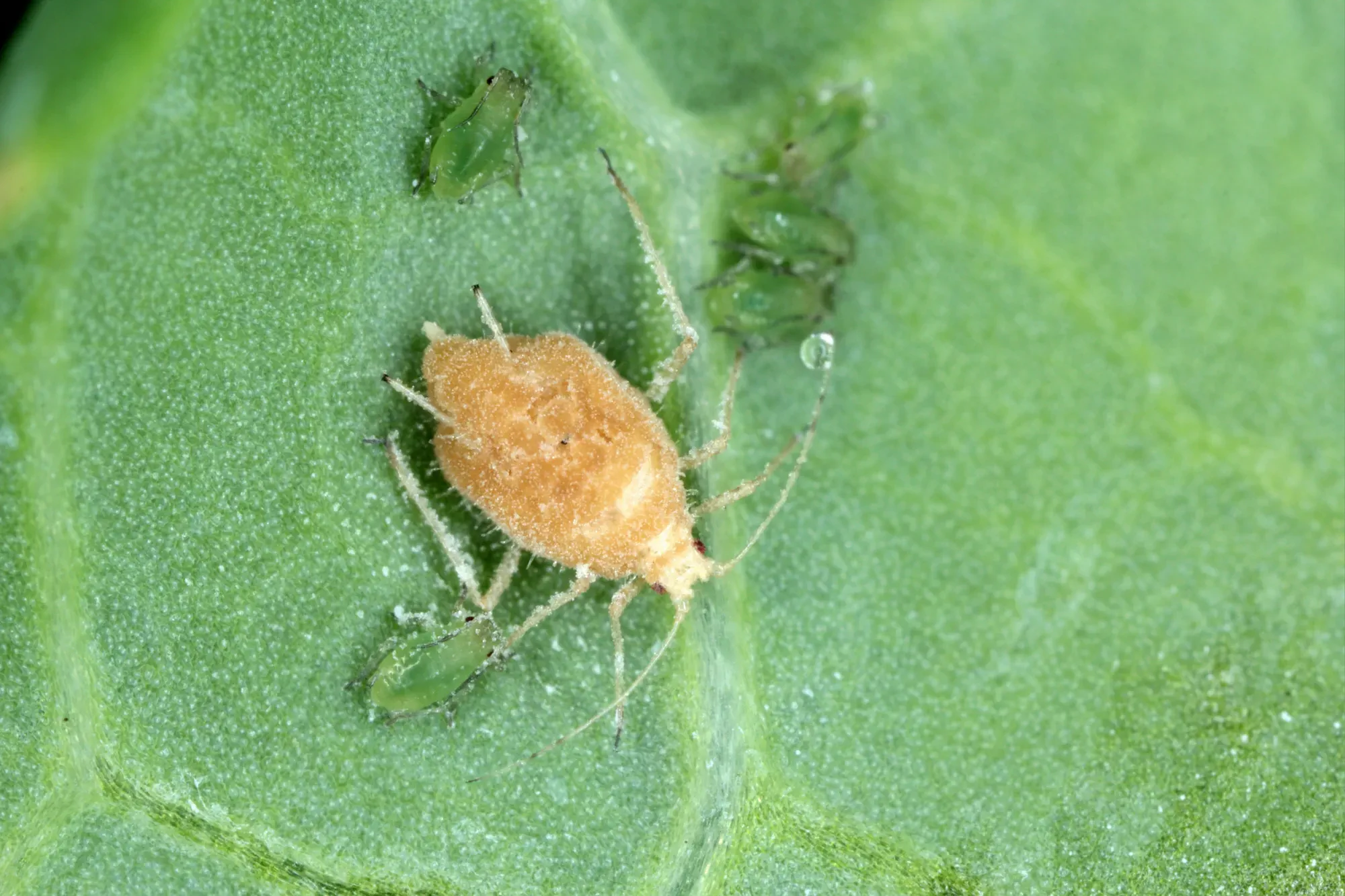
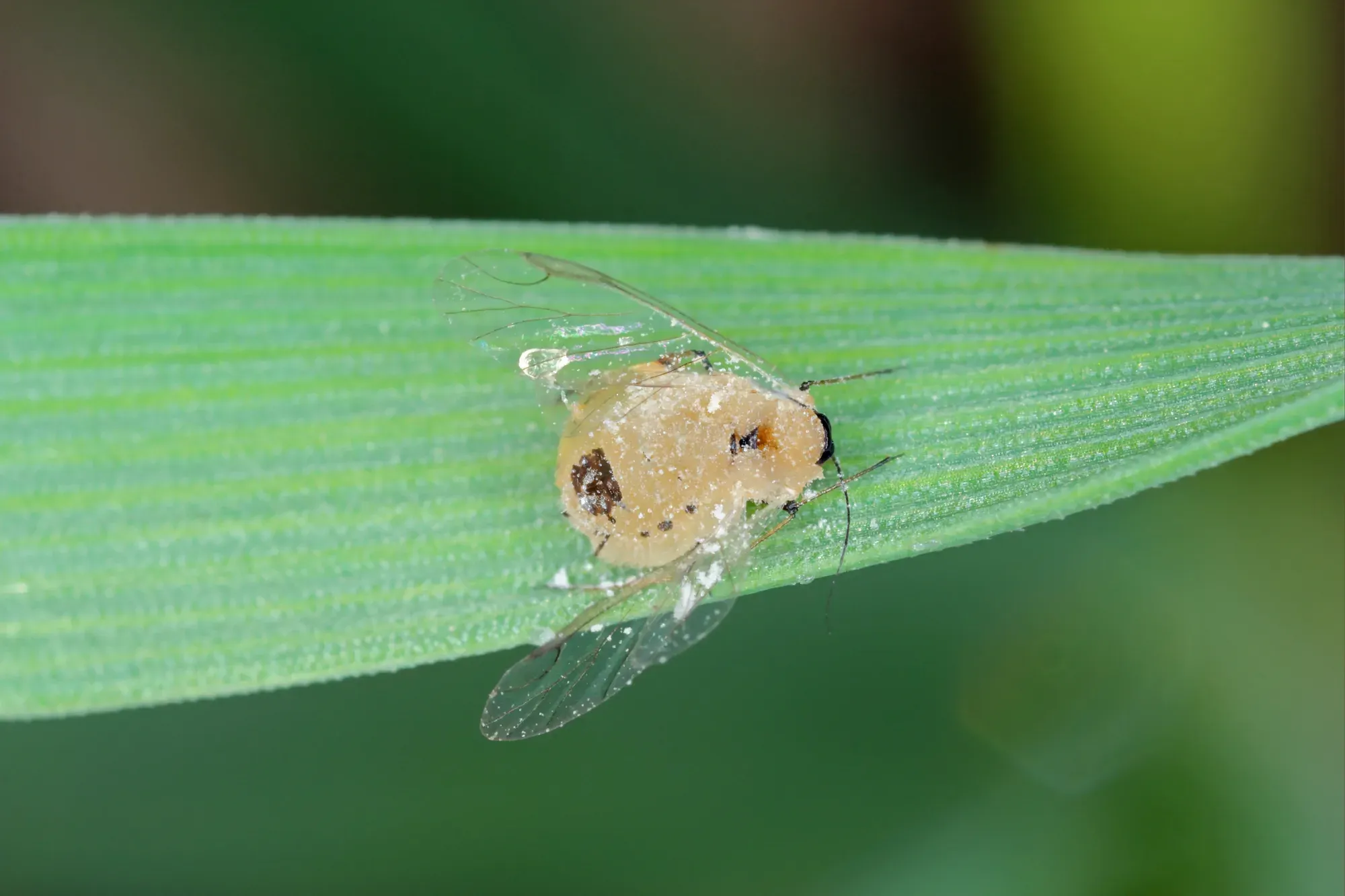
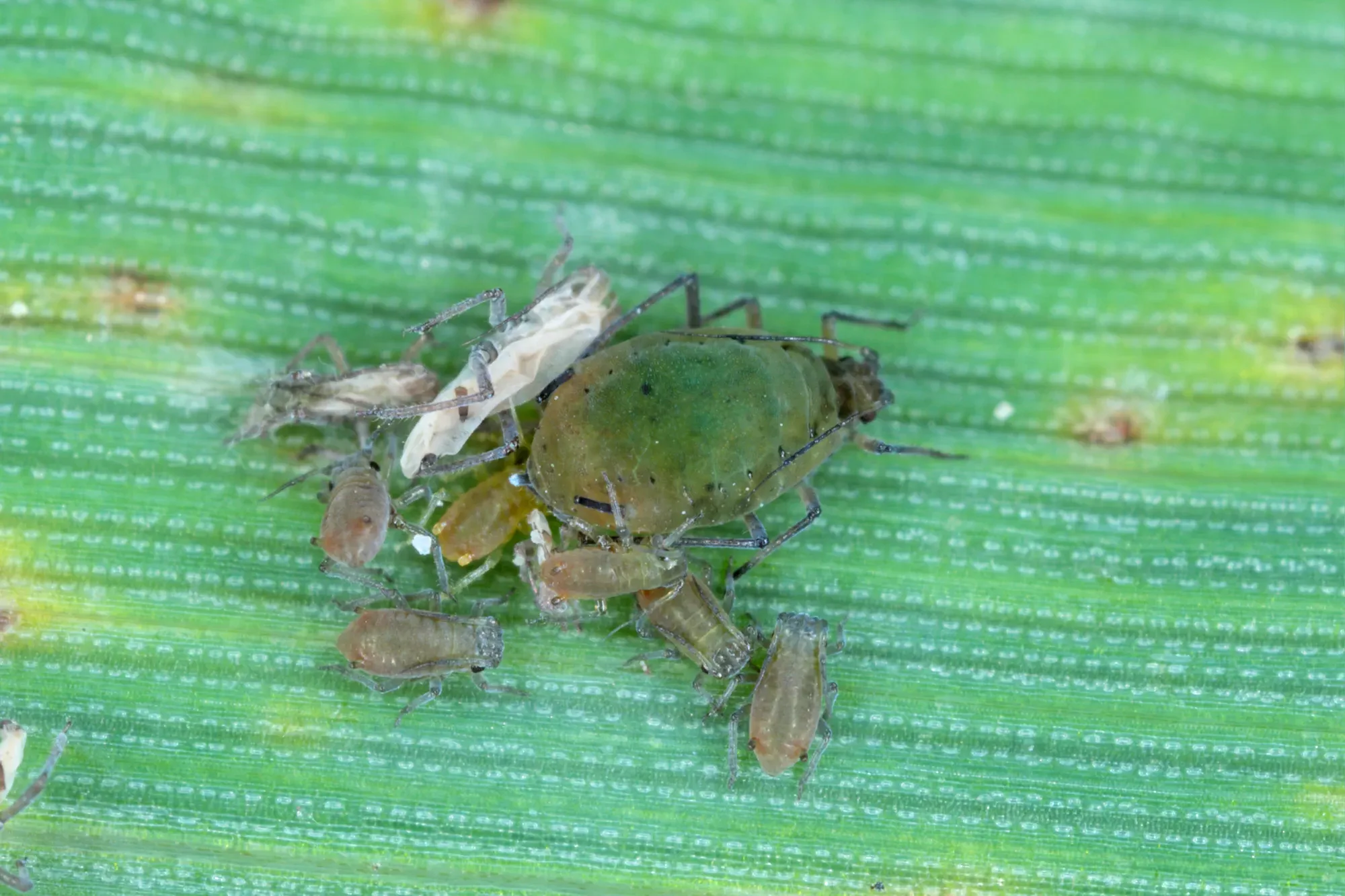
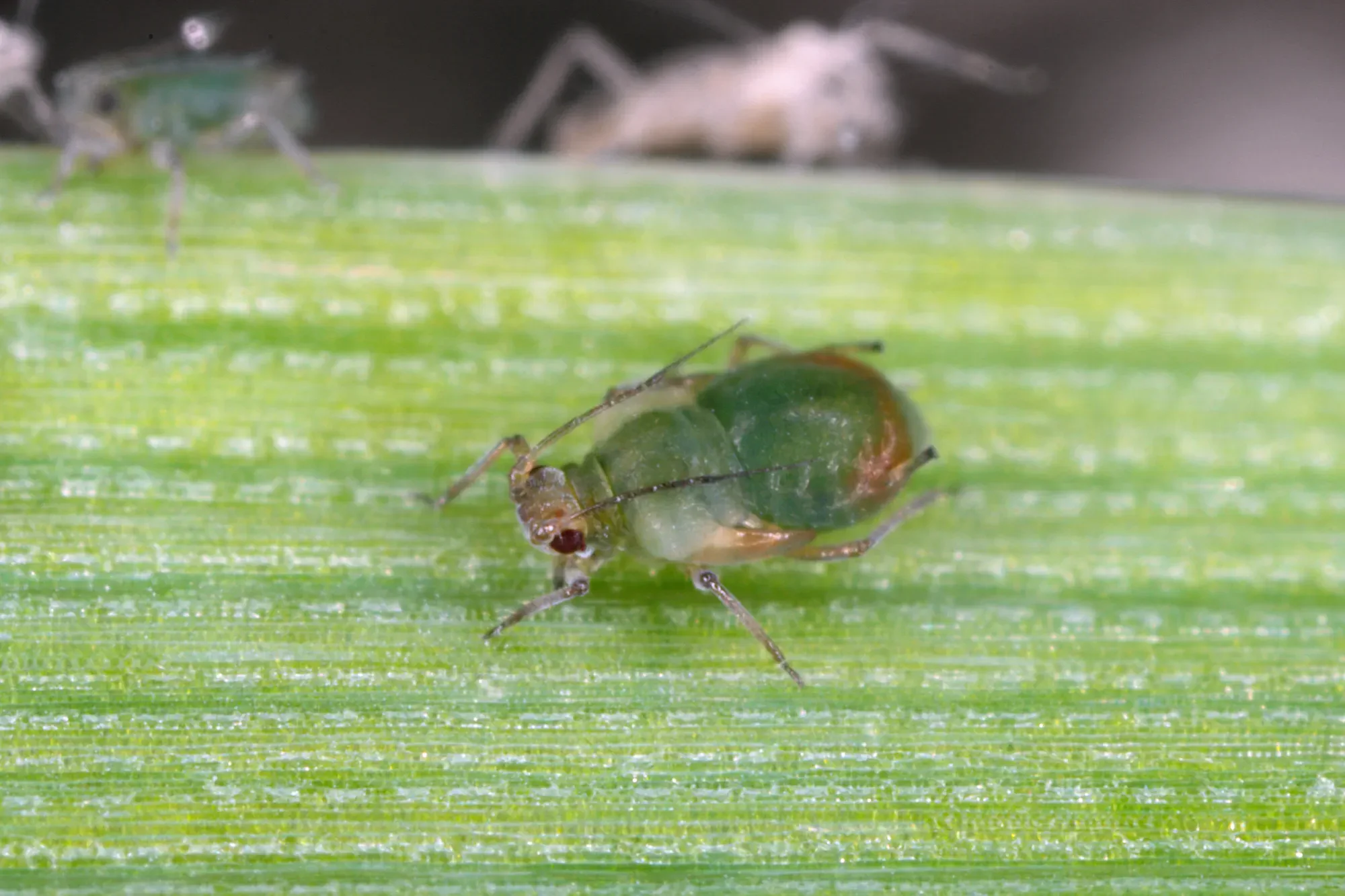
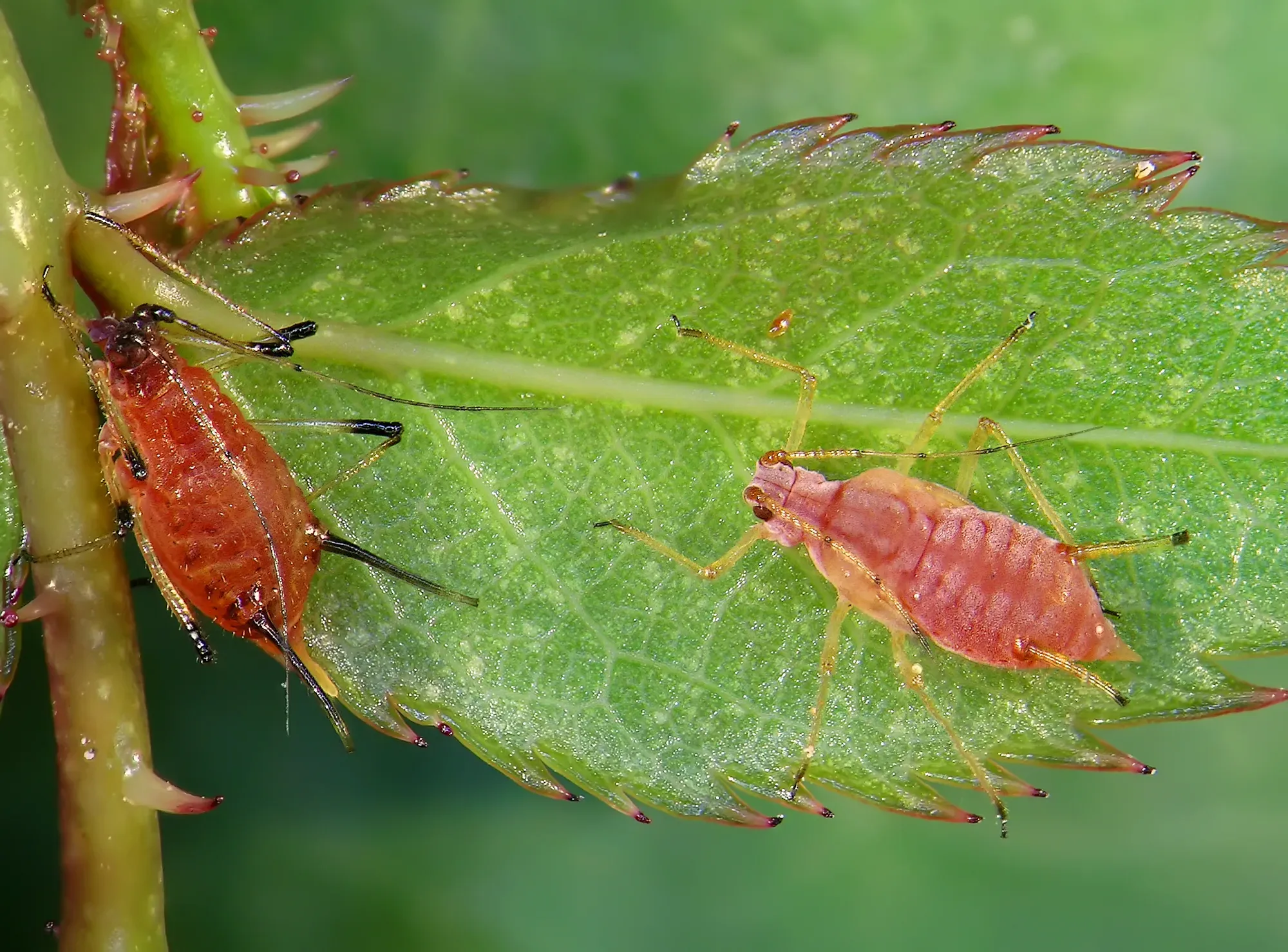
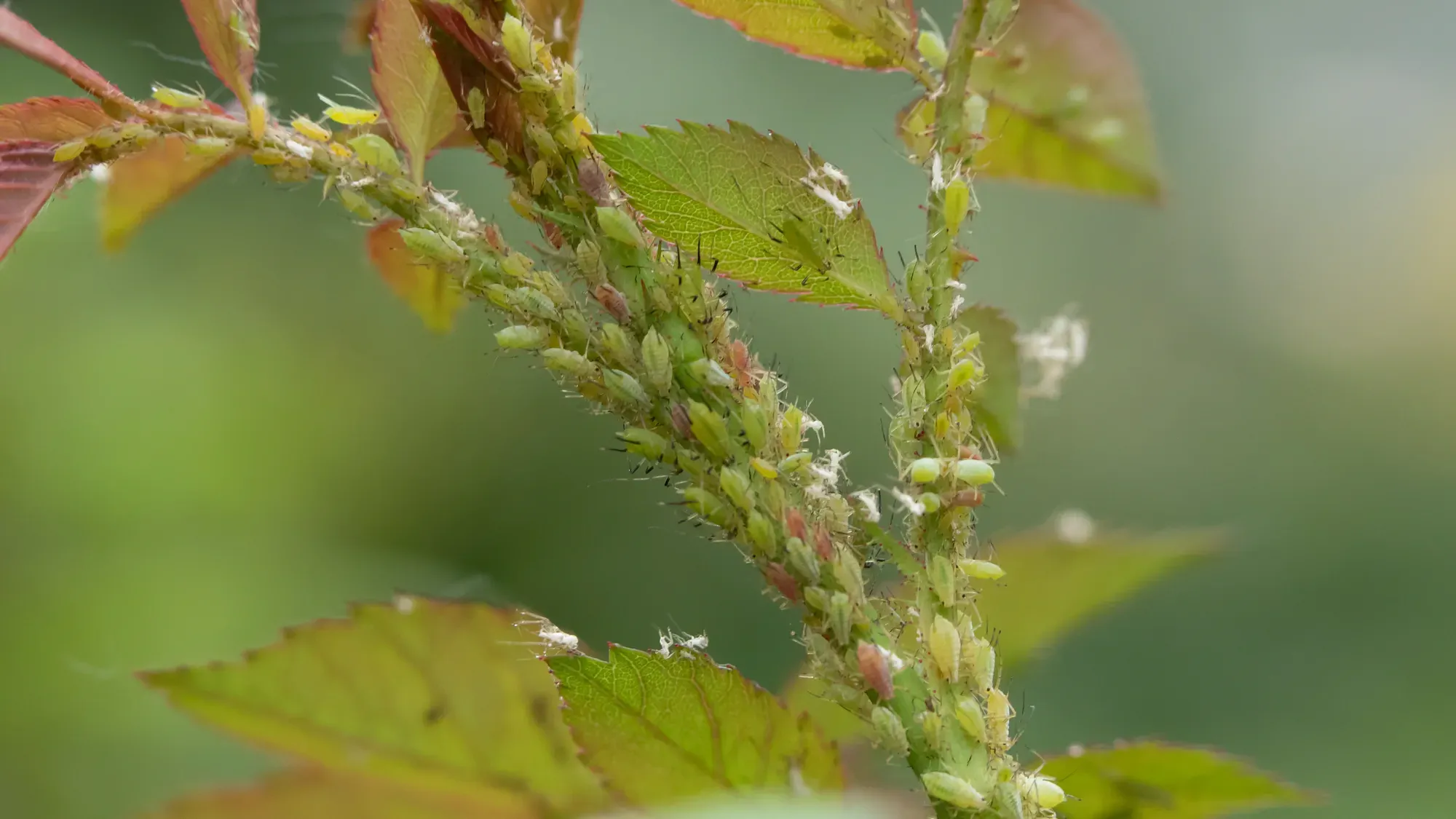
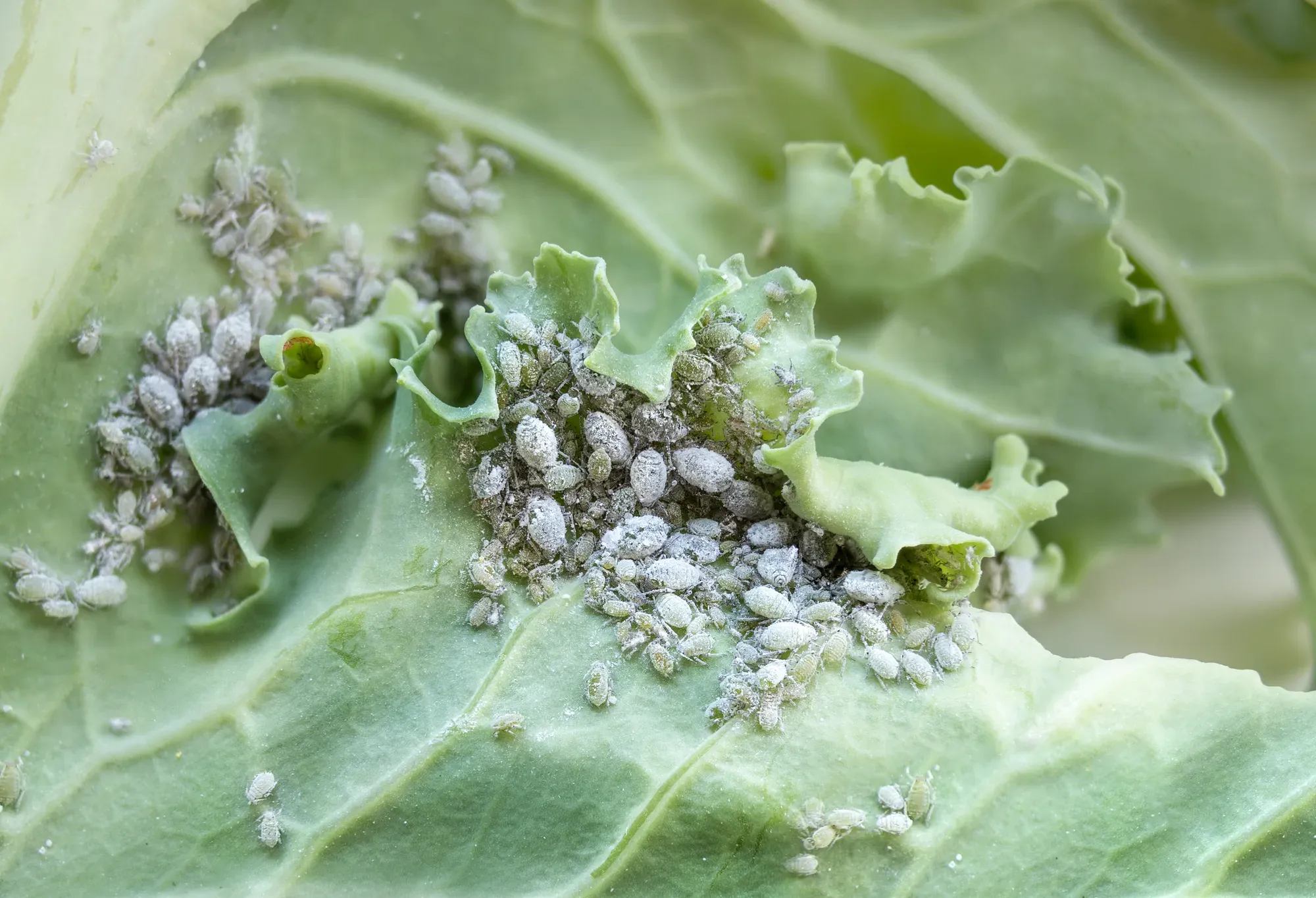
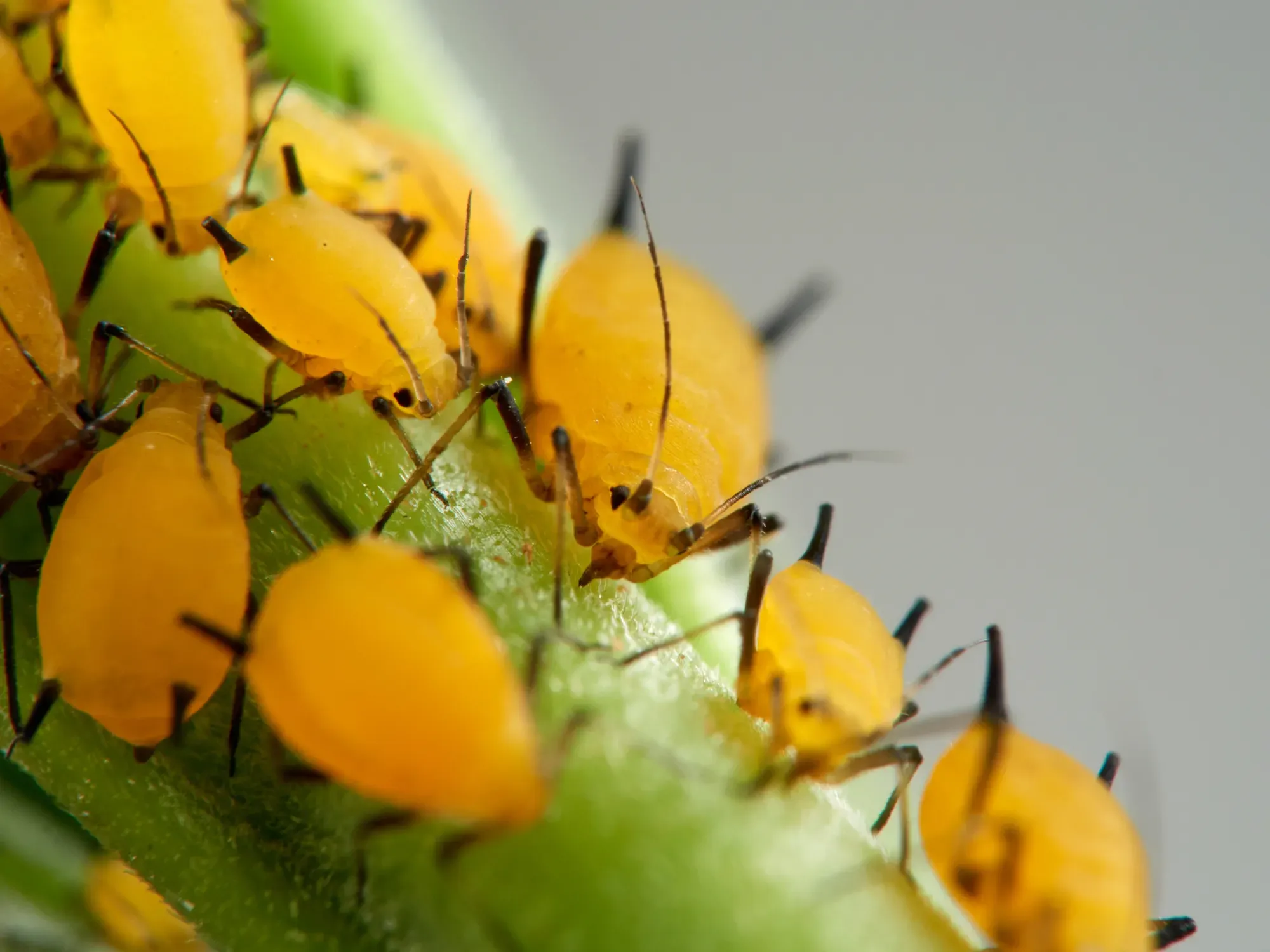
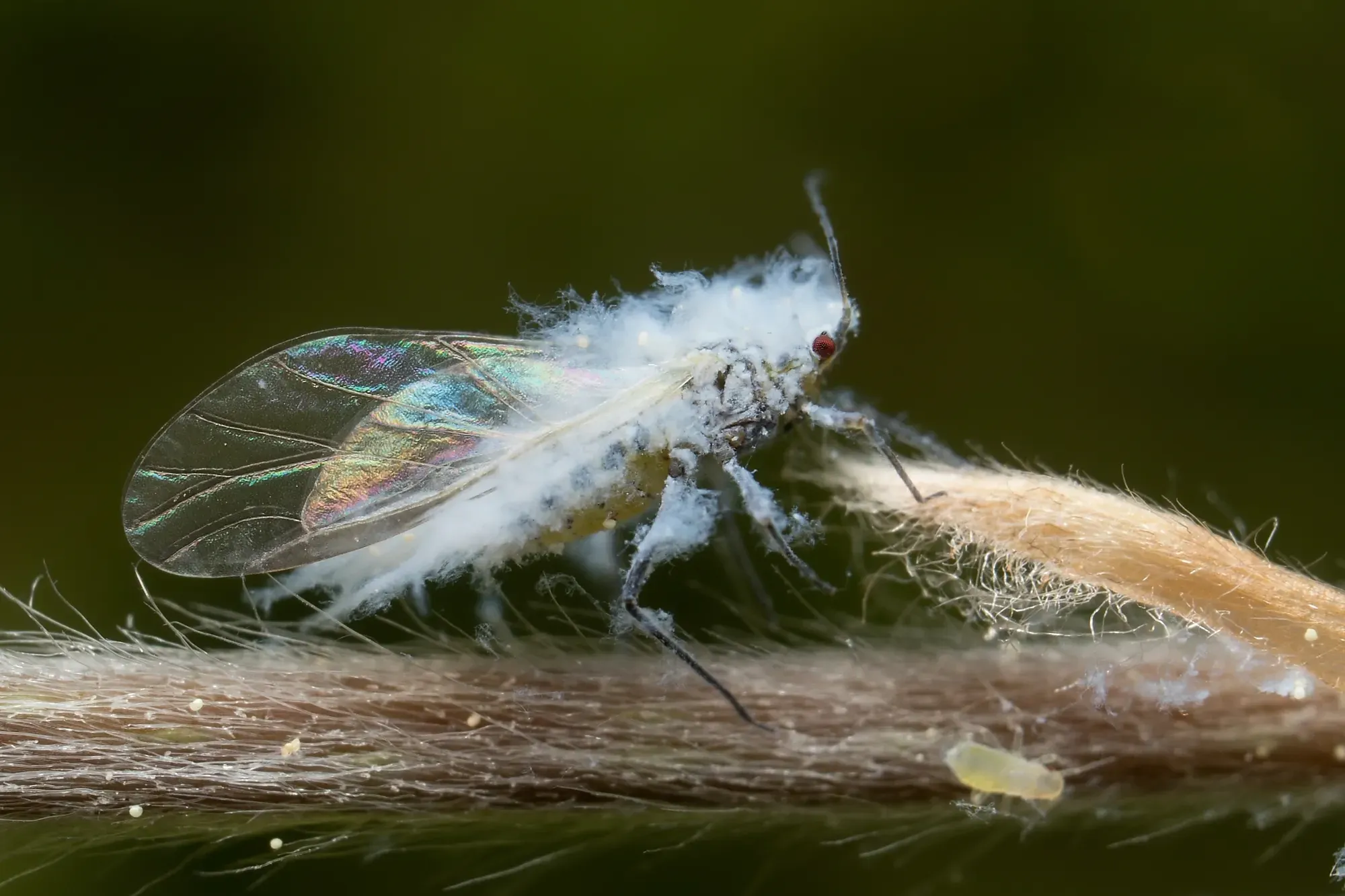
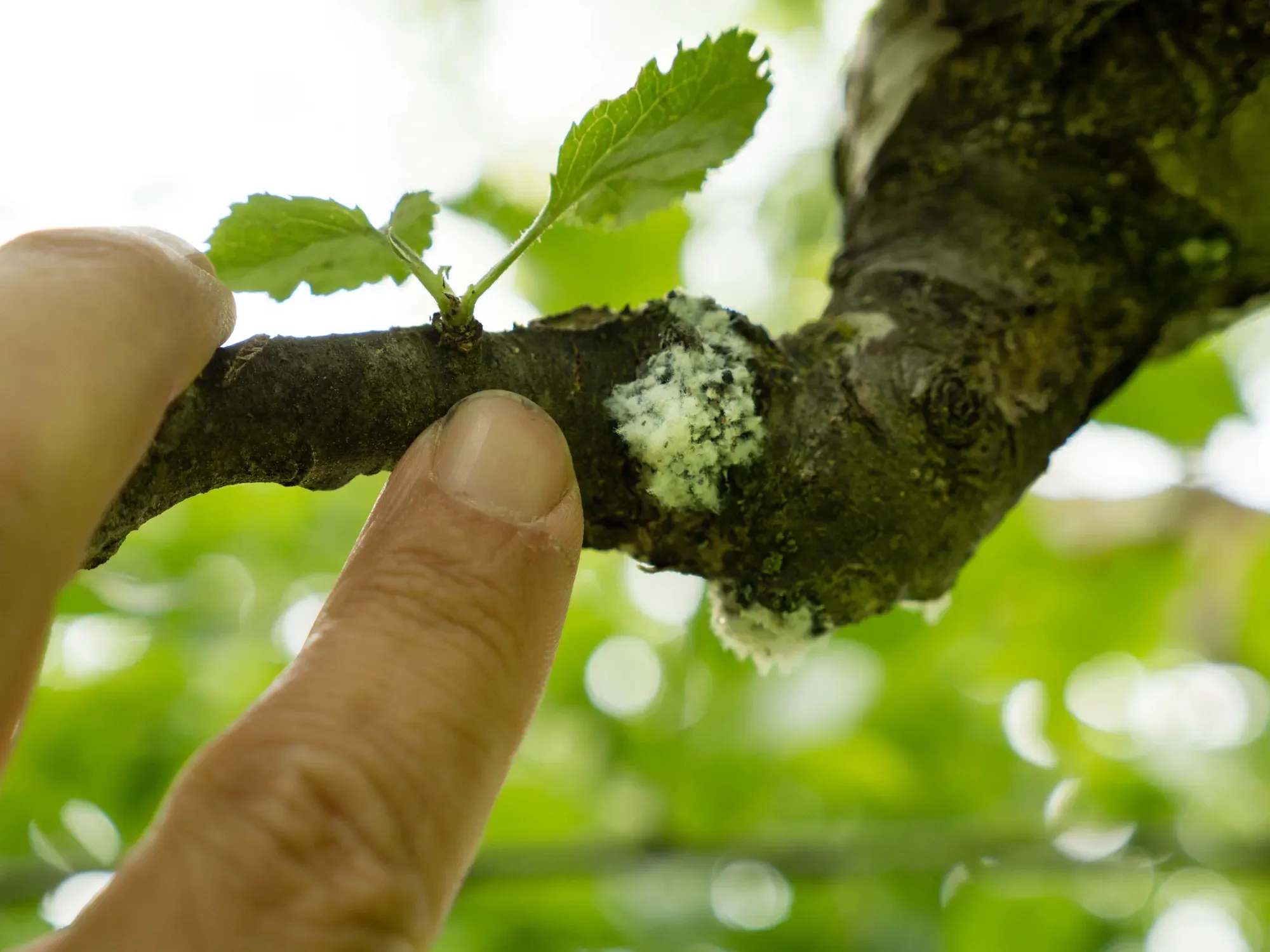
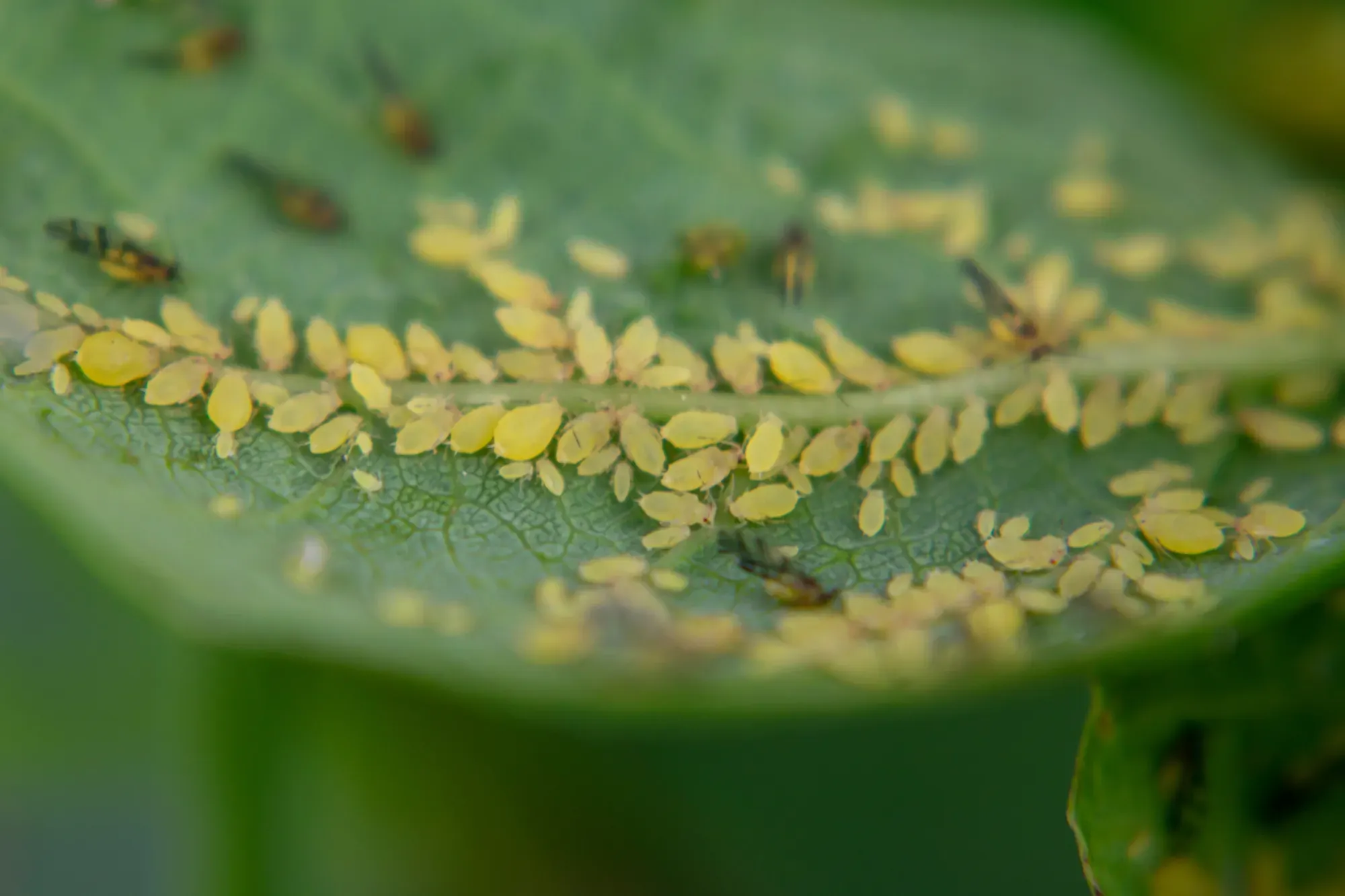
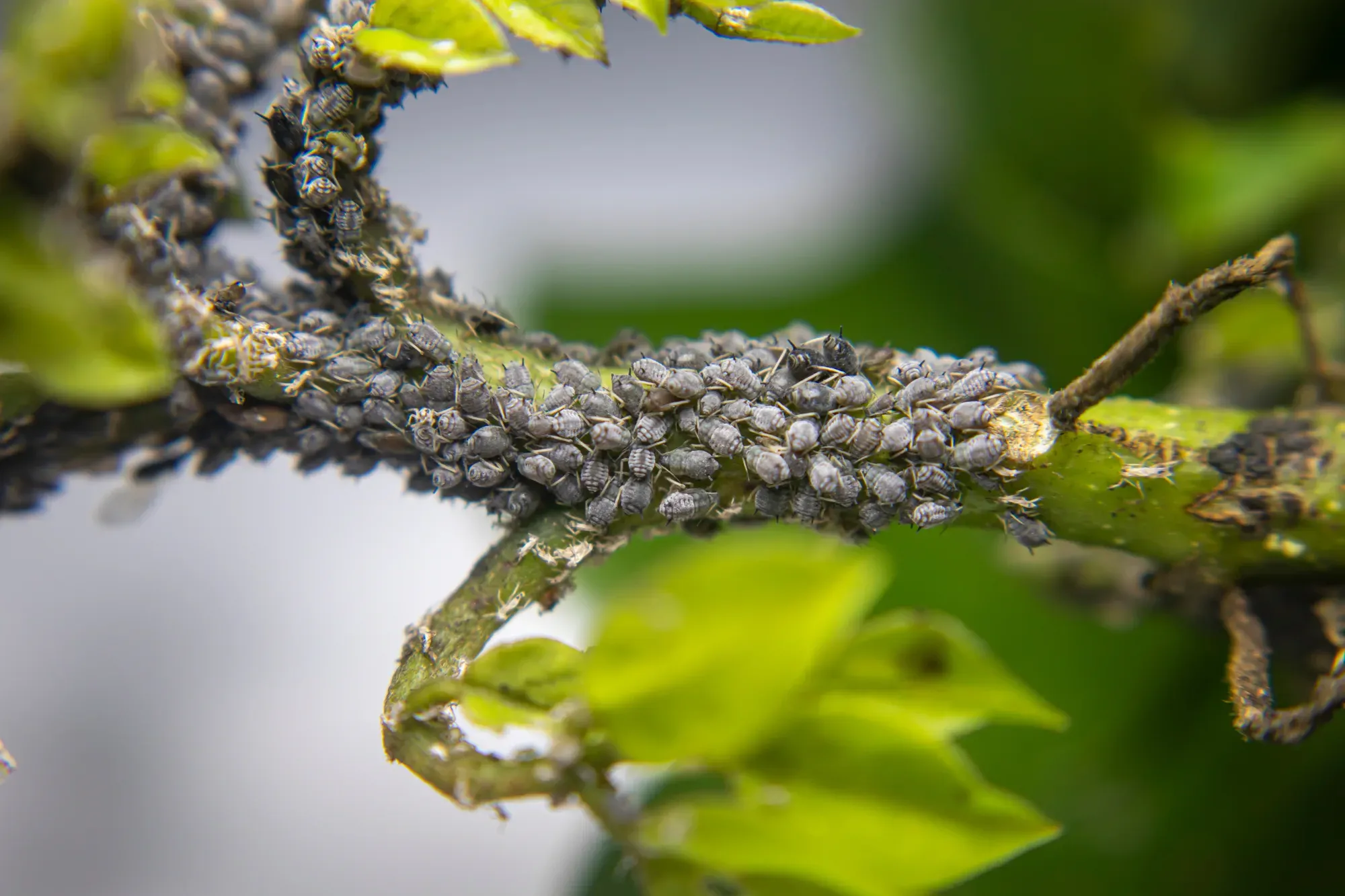
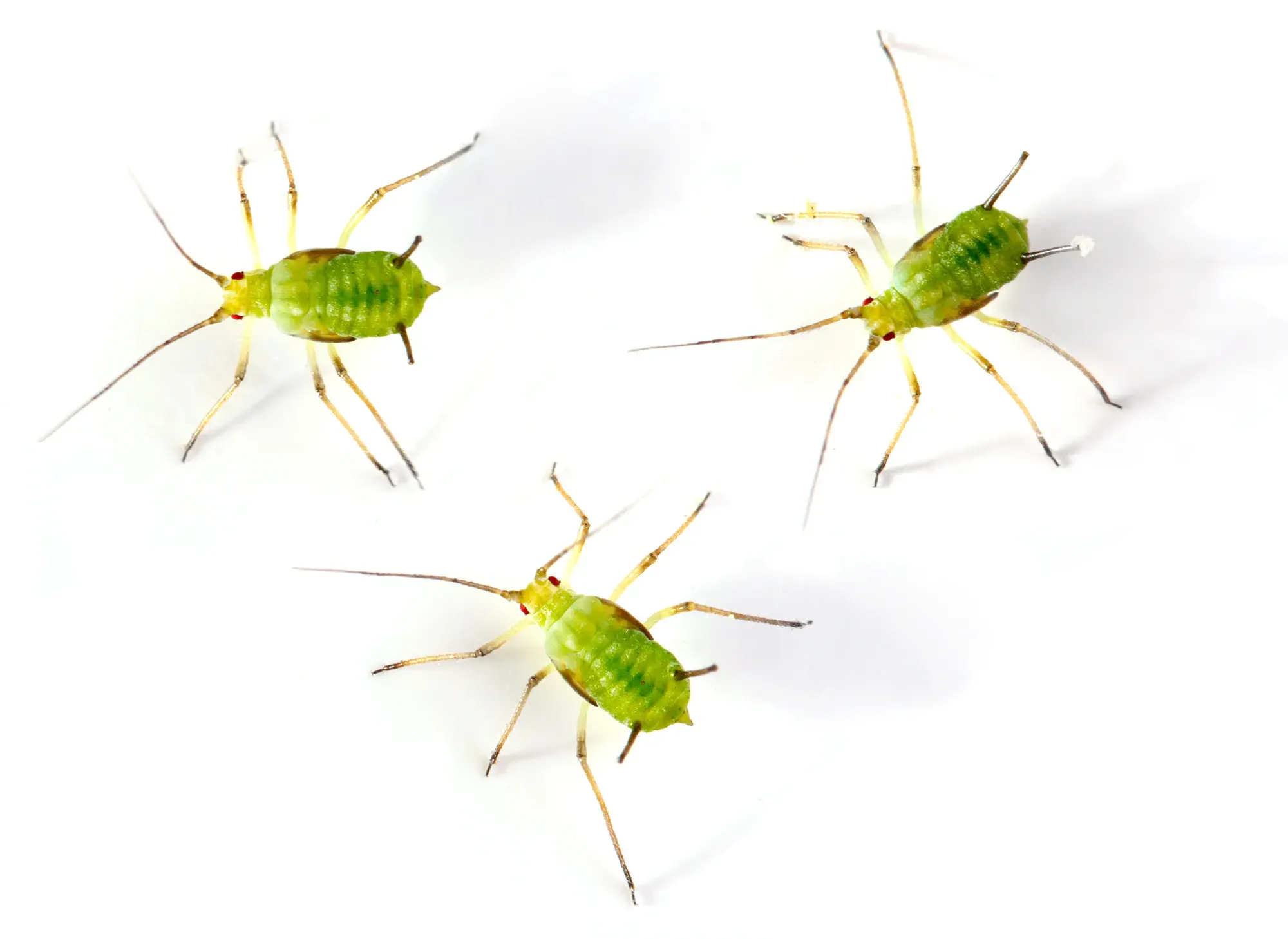
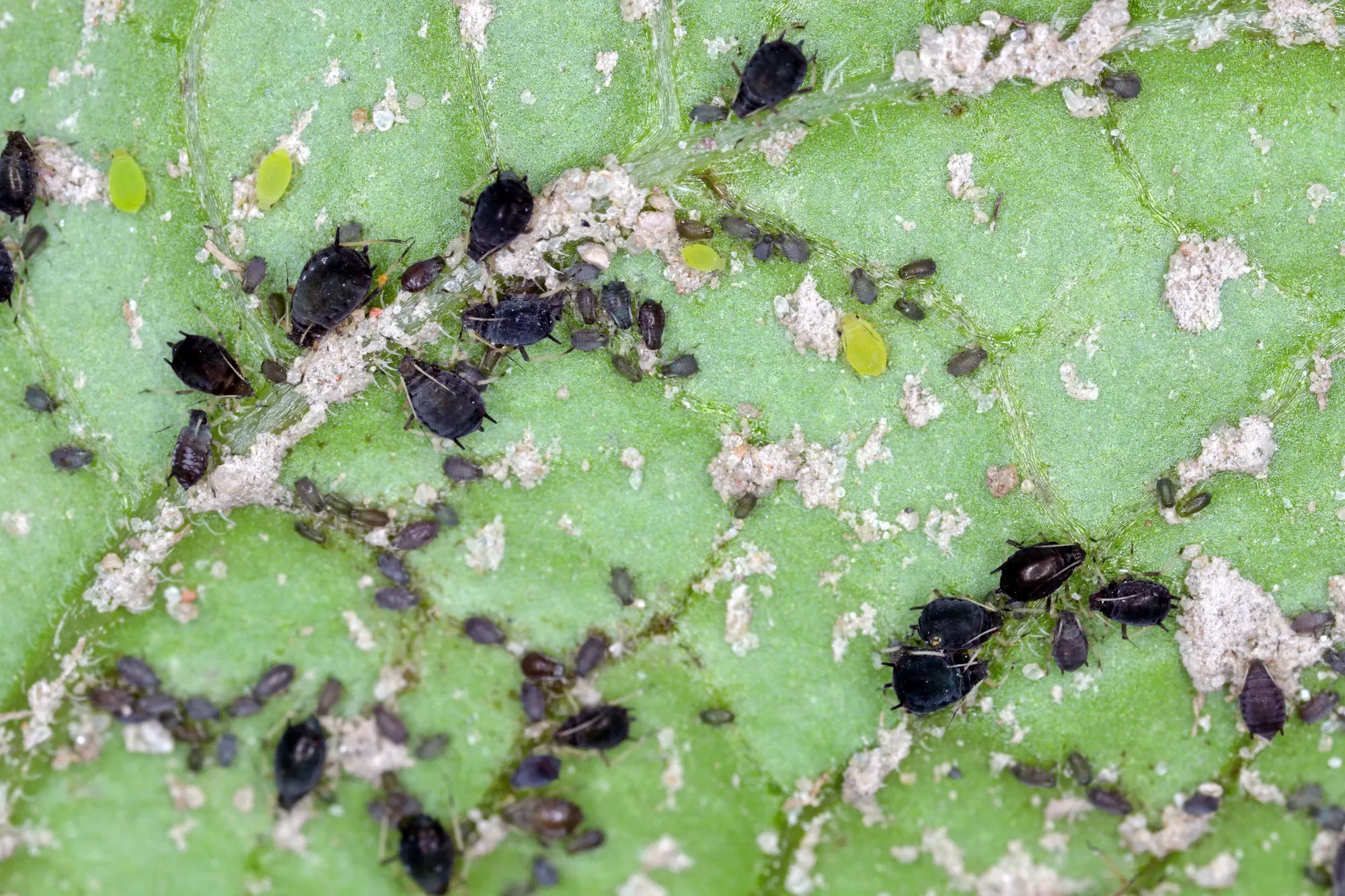
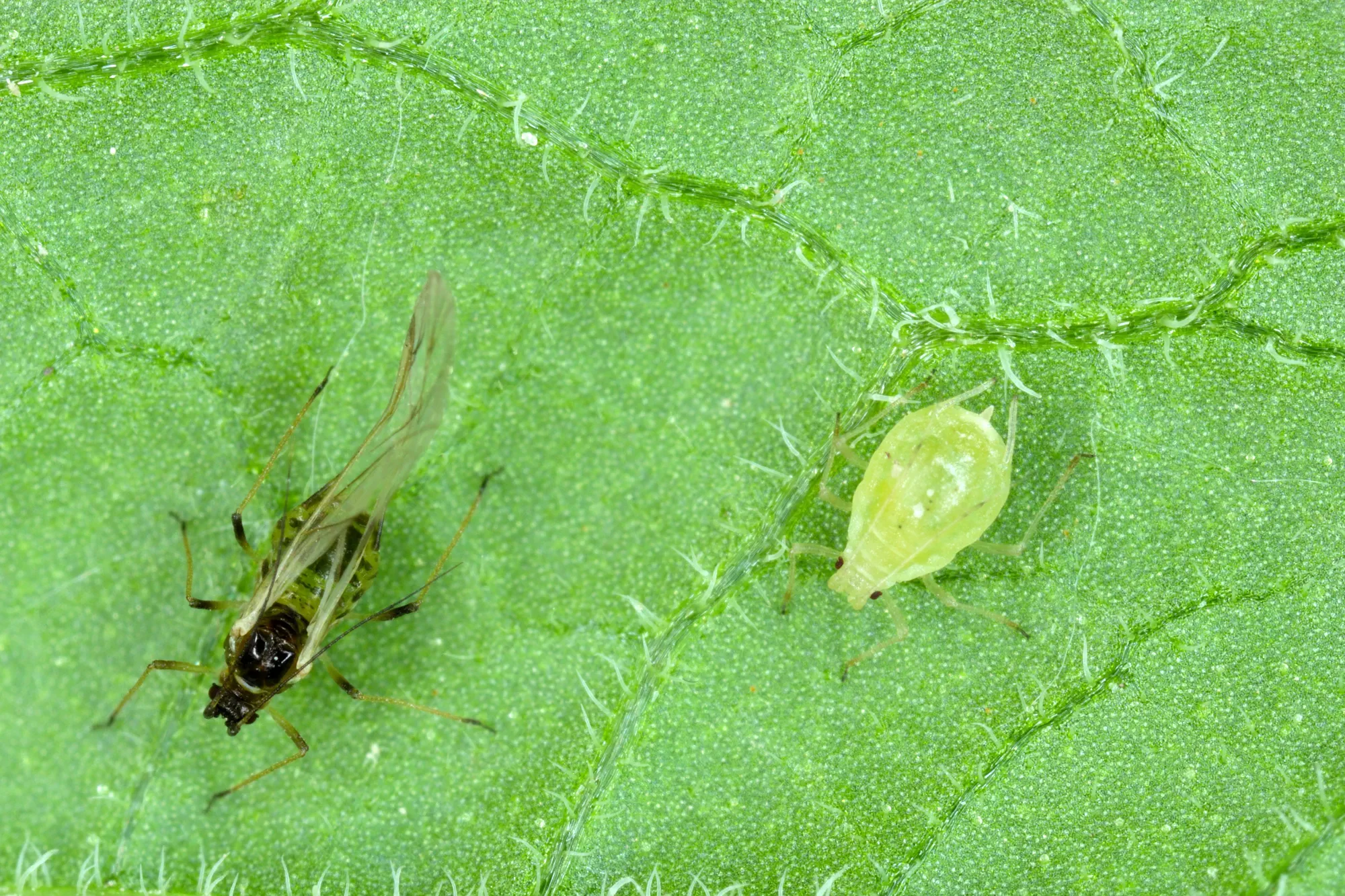
A Rogues Gallery of Aphids. Click on the images to see quality high definition images of Aphids, some are not pretty.







How to Prune Climbing Vines
List by Variety
- How to Prune Actinidia
- How to Prune Akebia
- How to Prune Bougainvillea
- How to Prune Campsis
- How to Prune Celastrus
- How to Prune Chilean Glory Vine
- How to Prune Clematis Armandii
- How to Prune Clematis Montana
- How to Prune Climbing Rose
- How to Prune Hedera GoldHeart
- How to Prune Honeysuckle
- How to Prune Hydrangea Petiolaris
- How to Prune Ivy
- How to Prune Japanese Wisteria
- How to Prune Morning Glory
- How to Prune Parthenocissus
- How to Prune Persian Ivy Hedera Colchica
- How to Prune Schisandra
- How to Prune Star Jasmine
- How to Prune Sweet Peas
- How to Prune True Jasmine
- How to Prune Virginia Creeper
- How to Prune Wisteria
How to Prune Hedges
List by Variety
- How to Prune an Arborvitae Hedge
- How to Prune a Barberry Hedge
- How to Prune a Beech Hedge
- How to Prune a Boxwood Hedge
- How to Prune a Butterfly Bush Hedge
- How to Prune a Cotoneaster Hedge
- How to Prune an English Lavender Hedge
- How to Prune an Escallonia Hedge
- How to Prune an Euonymus-Hedge
- How to Prune a Firethorn Hedge
- How to Prune a Forsythia Hedge
- How to Prune a Griselinia Hedge
- How to Prune a Hawthorn Hedge
- How to Prune a Holly Hedge
- How to Prune a Hornbeam Hedge
- How to Prune a Juniper Hedge
- How to Prune a Laurel Hedge
- How to Prune a Leylandii Hedge
- How to Prune a Lilac Hedge
- How to Prune a Maple Leaf Viburnum Hedge
- How to Prune a Photinia Hedge
- How to Prune a Pink Ramanus Rose Hedge
- How to Prune a Privet Hedge
- How to Prune a Pyracantha Hedge
- How to Prune a Spirea Hedge
- How to Prune a Thuja Hedge
- How to Prune a Viburnum Hedge
- How to Prune a Western Red Cedar Hedge
- How to Prune a Yew Hedge
How to Prune Shrubs
List by Variety
- How to Prune an Abelia Shrub
- How to Prune an Abutilon
- How to Prune an Acer / Japanese-Maple
- How to Prune an Amelanchiers
- How to Prune an Apple-Tree
- How to Prune an Arbovitae Shrub
- How to Prune an Arbutus
- How to Prune an Aucuba
- How to Prune a Azalea Mollis
- How to Prune Azaleas
- How to Prune a Bay Tree Shrub
- How to Prune a Berberis Darwinii
- How to Prune Berberis Deciduous Types
- How to Prune a Boxwood Shrubs
- How to Prune a Brachyglottis Senecio
- How to Prune a Buddleia Alternifolia
- How to Prune Buddleias Butterfly Bushes
- How to Prune a Buddleja Globosa
- How to Prune a Callicarpa
- How to Prune a Camellia
- How to Prune a Caryopteris
- How to Prune a Catalpa Bignonioides Aurea
- How to Prune Ceanothus Deciduous Types
- How to Prune Ceanothus Evergreen Types
- How to Prune a Ceratostigma
- How to Prune a Chaenomeles
- How to Prune a Choisya
- How to Prune a Cistus
- How to Prune a Clematis
- How to Prune a Cornus
- How to Prune a Cotinus Royal Purple
- How to Prune a Cytisus Scoparius
- How to Prune a Exochorda x Macrantha
- How to Prune a Forsythia
- How to Prune a Hebe
- How to Prune a Hydrangeas
- How to Prune Juniper Shrubs
- How to Prune a Lavatera
- How to Prune Lilac Bushes
- How to Prune a Mugo Pine
- How to Prune Rose Bushes
- How to Prune Ribes
- How to Prune Spirea Shrubs
- How to Prune Viburnum Shrubs
- How to Prune a Weigela
- How to Prune a Yew
How to Prune Trees
List by Variety
- How to Prune a Apple Tree
- How to Prune a Apricot Tree
- How to Prune a Ash Tree
- How to Prune a Birch Tree
- How to Prune a Cherry Tree
- How to Prune a Elm Tree
- How to Prune a Fig Tree
- How to Prune a Grape Tree
- How to Prune a Hickory Tree
- How to Prune a Maple Tree
- How to Prune a Oak Tree
- How to Prune an Olive Tree
- How to Prune a Peach Tree
- How to Prune a Pear Tree
- How to Prune a Plum Tree
- How to Prune a Poplar Tree
- How to Prune a Walnut Tree
Gallery
Necessitatibus eius consequatur ex aliquid fuga eum quidem sint consectetur velit


Michael Carter
Vestibulum ante ipsum primis in faucibus orci luctus et ultrices posuere cubilia curae; Donec vel erat in nulla efficitur tempor non ut nisl. Integer venenatis eros ut dui viverra fermentum.
Sophie Wilson
Nam ut turpis hendrerit, varius nunc vel, elementum dui. Morbi vulputate dolor sit amet scelerisque egestas. Vestibulum eleifend nunc ut bibendum fermentum.
Alex Morgan
Cras non velit nec purus tempor rhoncus. Sed non mauris vitae erat consequat auctor eu in elit. Class aptent taciti sociosqu ad litora torquent per conubia nostra.