About Rust Fungi
The Pink Tansy Aphid
Rust fungi might sound like they belong in a steampunk novel, but these fascinating organisms play a vital role in our ecosystems. They’re also notorious for wreaking havoc on agriculture. Whether you’re a curious gardener, an avid horticulturist, or simply someone keen to understand the natural world better, this guide will walk you through all the essentials of rust fungi — from their lifecycle to their impact on crops, and how best to manage them. Here’s everything you need to know.
Those rusty orange spots appearing on your beloved garden plants aren't just unsightly—they're signs of one of the most widespread fungal diseases affecting gardens across Britain. Rust fungi represent a fascinating yet frustrating group of plant pathogens that can turn your thriving garden into a spotted, yellowing disappointment if left unchecked.
Understanding rust fungi is crucial for any gardener serious about maintaining healthy plants. These microscopic invaders don't discriminate, attacking everything from your prized roses to your vegetable patch, ornamental trees to lawn grass. The good news? Armed with the right knowledge, you can identify, prevent, and manage rust diseases effectively.
This comprehensive guide will transform you from a bewildered observer of mysterious plant spots into a confident rust-fighting gardener. You'll discover what causes these distinctive symptoms, learn to recognise the early warning signs, and master proven strategies to protect your plants throughout the growing season.
What Are Rust Fungi?
Rust fungi belong to the order Pucciniales, comprising an estimated 168 genera and approximately 7,000 species worldwide. These obligate plant pathogens can only survive on living plant tissue, making them entirely dependent on their hosts for survival.
What makes rust fungi particularly intriguing is their complex life cycles. Many species require two completely different plant hosts to complete their development, producing up to five distinct types of spores throughout their lifecycle. This remarkable adaptation has allowed rust fungi to become one of the most successful groups of plant pathogens on Earth.
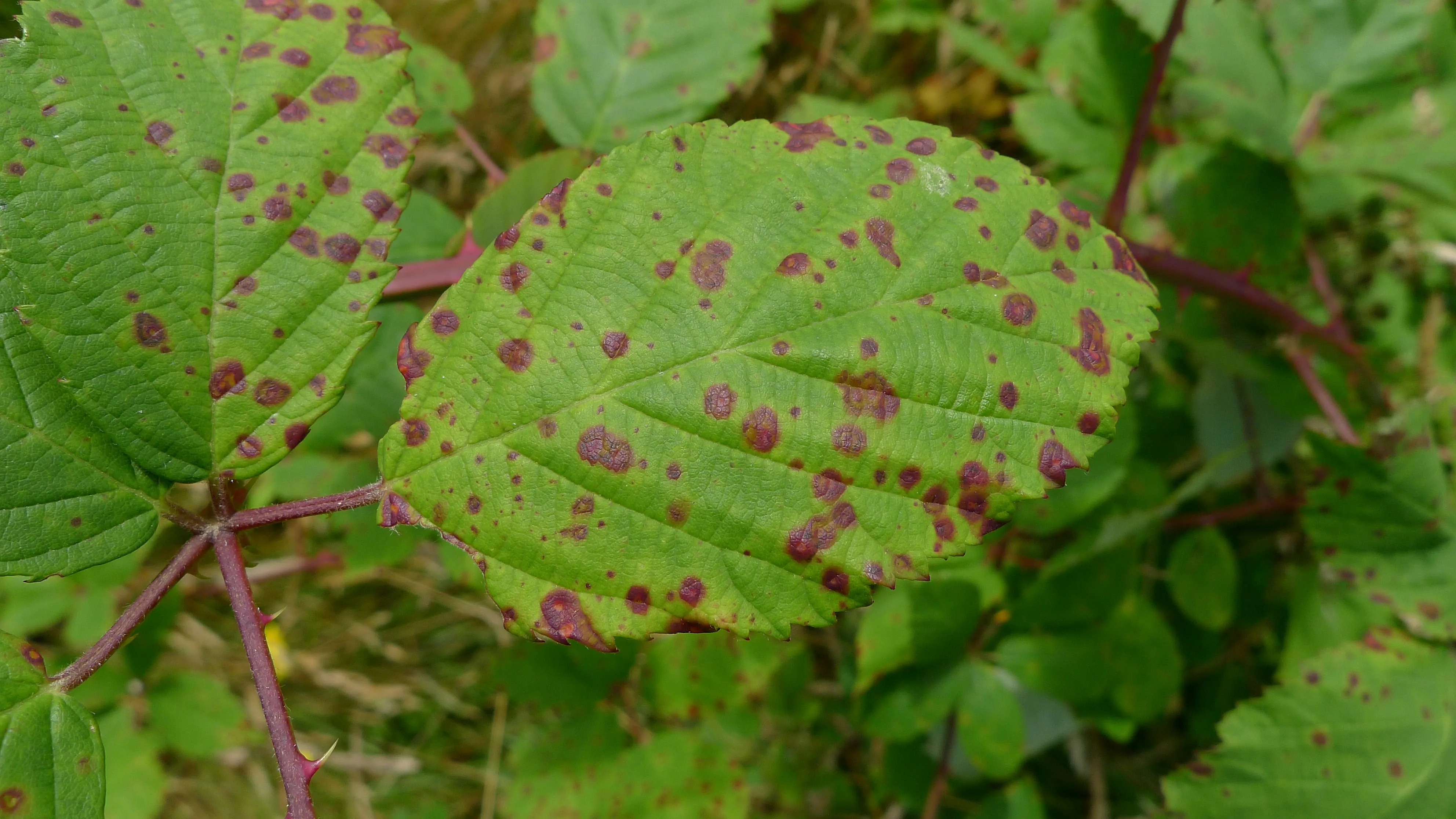
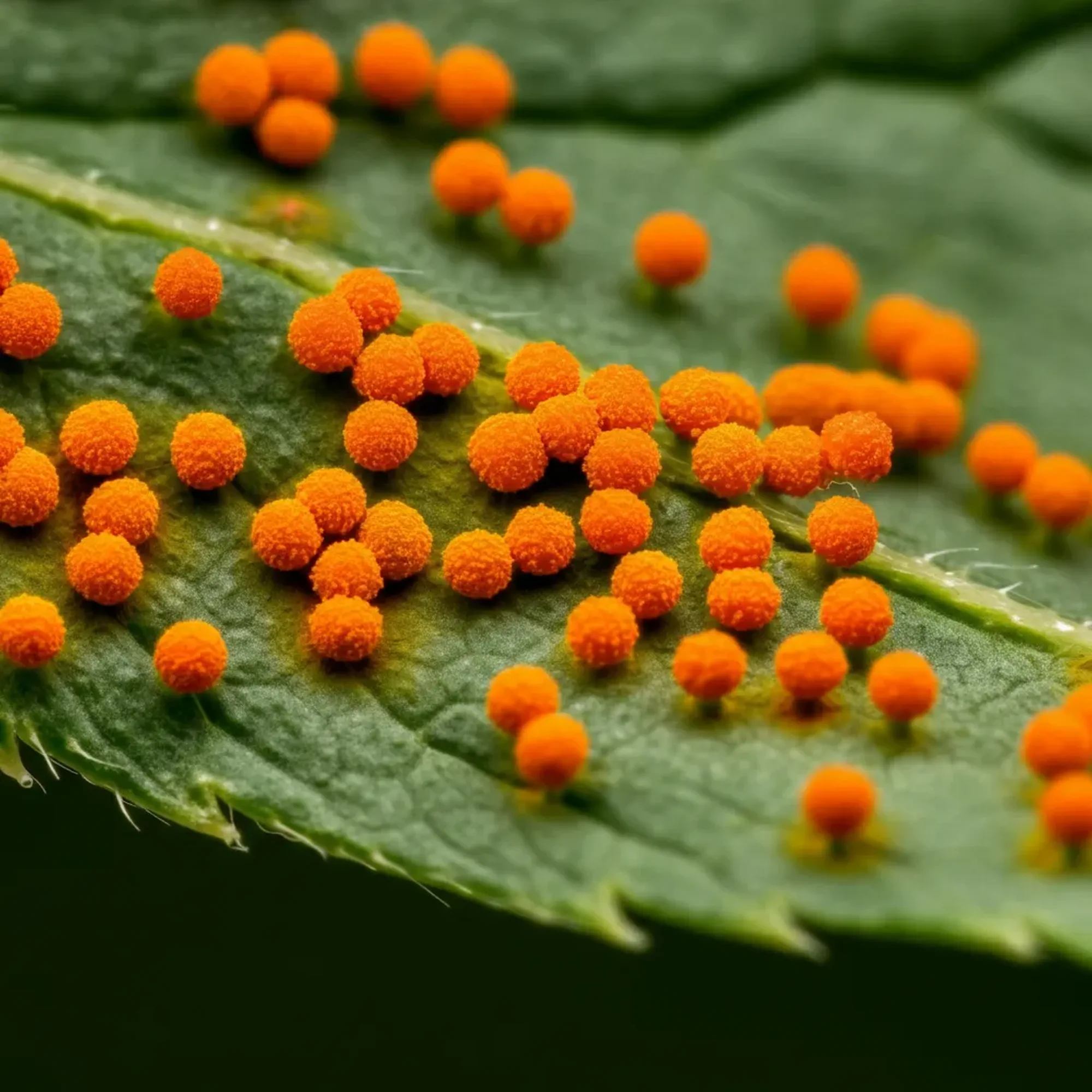
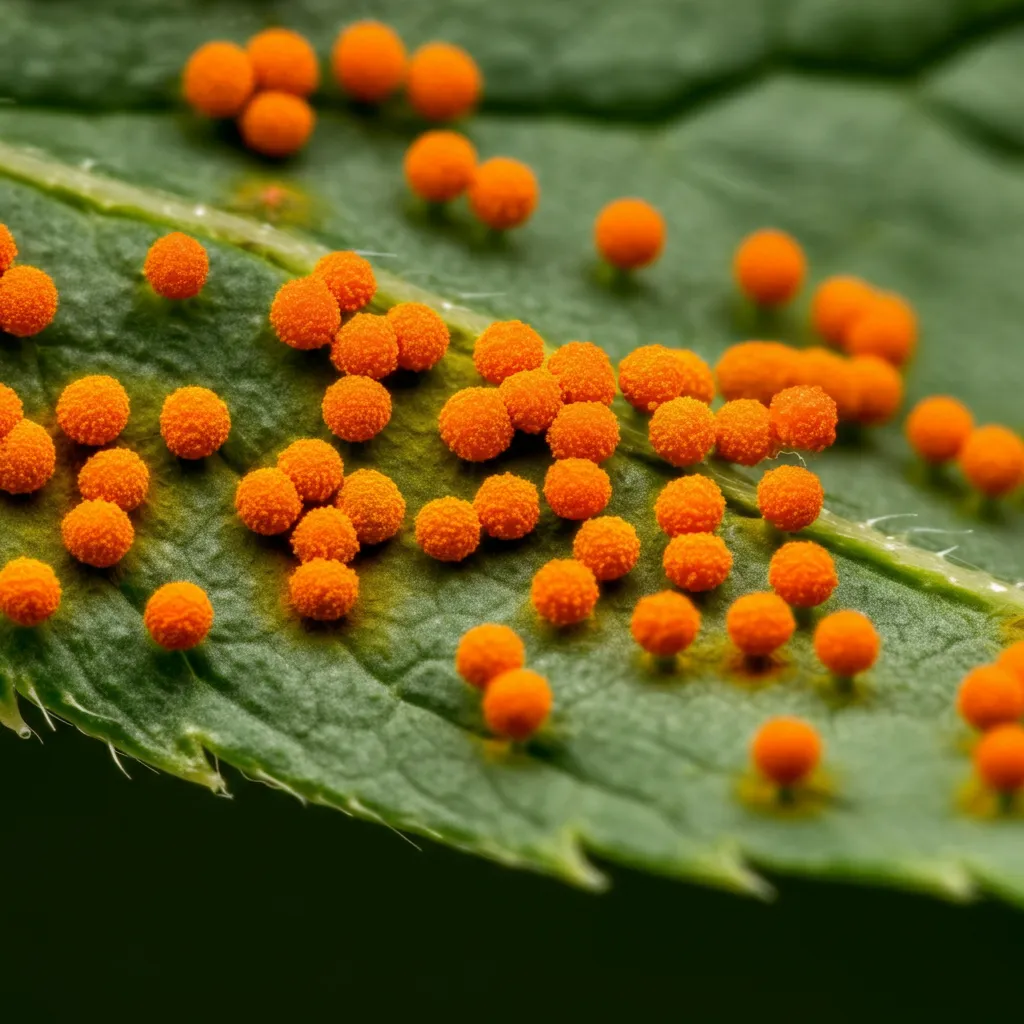
The name "rust" comes from the characteristic rusty-orange, yellow, brown, or red spore masses that appear on infected plants. These spores are produced in structures called pustules, which typically develop on the undersides of leaves but can also appear on stems, flowers, and even fruit.
Each rust species has evolved to target specific plant hosts and cannot simply jump to unrelated plants. This host specificity means that the rust affecting your hollyhocks won't spread to your tomatoes, though it might devastate other members of the mallow family.
Recognising Rust Symptoms in Your Garden
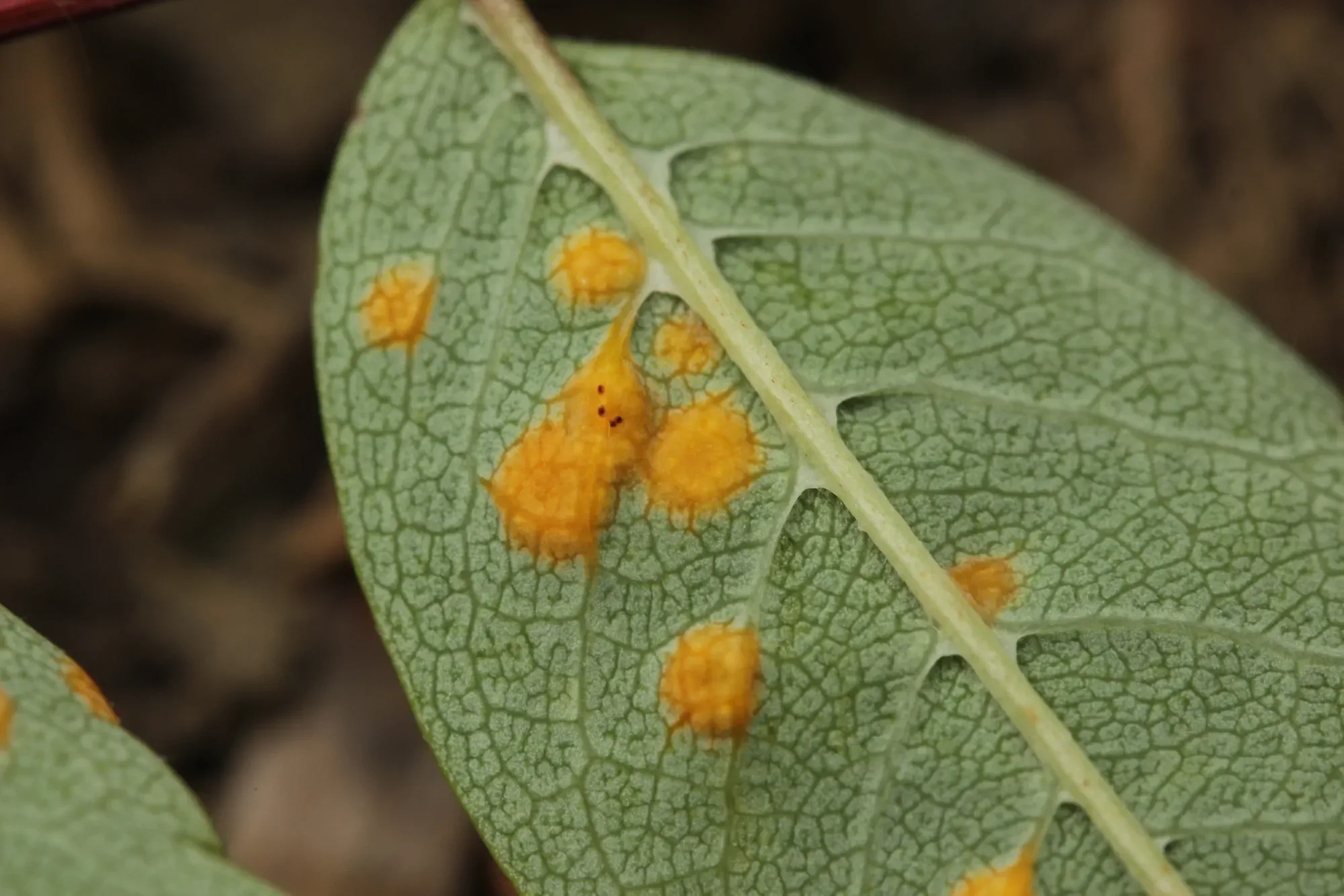
Early detection is your first line of defence against rust diseases. The signature symptoms begin as pale, small spots on leaf surfaces that gradually develop into the characteristic spore-producing pustules.
Visual Symptoms
The most obvious sign is the appearance of powdery, coloured spore masses on plant surfaces. These pustules can be orange, yellow, brown, black, or white, depending on the rust species and stage of development. They typically appear as raised dots or patches, most commonly on the undersides of leaves.
As infections progress, affected leaves often turn yellow and may drop prematurely. Severely infected plants appear stunted, chlorotic (yellowed), or display obvious signs of distress. Some rust species cause more dramatic symptoms, including growth retardation, witch's broom formation, stem cankers, or unusual galls on affected plant parts.
Where to Look
Symptoms typically start from the bottom of plants and work their way up. While pustules most commonly appear on leaf undersides, don't forget to check leaf stalks (petioles), stems, and occasionally flowers and fruit. For lawn rust, you'll notice orange dust on your shoes after walking across infected grass—a telltale sign that's particularly common in perennial ryegrass.
Timing Matters
Rust symptoms often become most apparent during wet summers when prolonged leaf moisture creates ideal infection conditions. The disease thrives when temperatures hover between 18-30°C (64-86°F) and foliage remains wet for 6-10 hours.
Plants Most Susceptible to Rust
Rust fungi demonstrate remarkable diversity in their plant preferences, but certain groups face higher risk than others. Understanding which plants in your garden are most vulnerable helps you prioritise prevention efforts.
Trees and Shrubs
White pine faces serious threats from white pine blister rust, whilst cedar and juniper species can suffer from cedar-apple rust. Many ornamental shrubs, including roses, are frequent targets, with rose rust being particularly troublesome in humid conditions.
Herbaceous Plants
Hollyhocks, snapdragons, and pelargoniums are notorious rust magnets. Vegetable gardens aren't immune either—beans, asparagus, and brassicas can all fall victim to species-specific rusts.
Grasses and Lawns
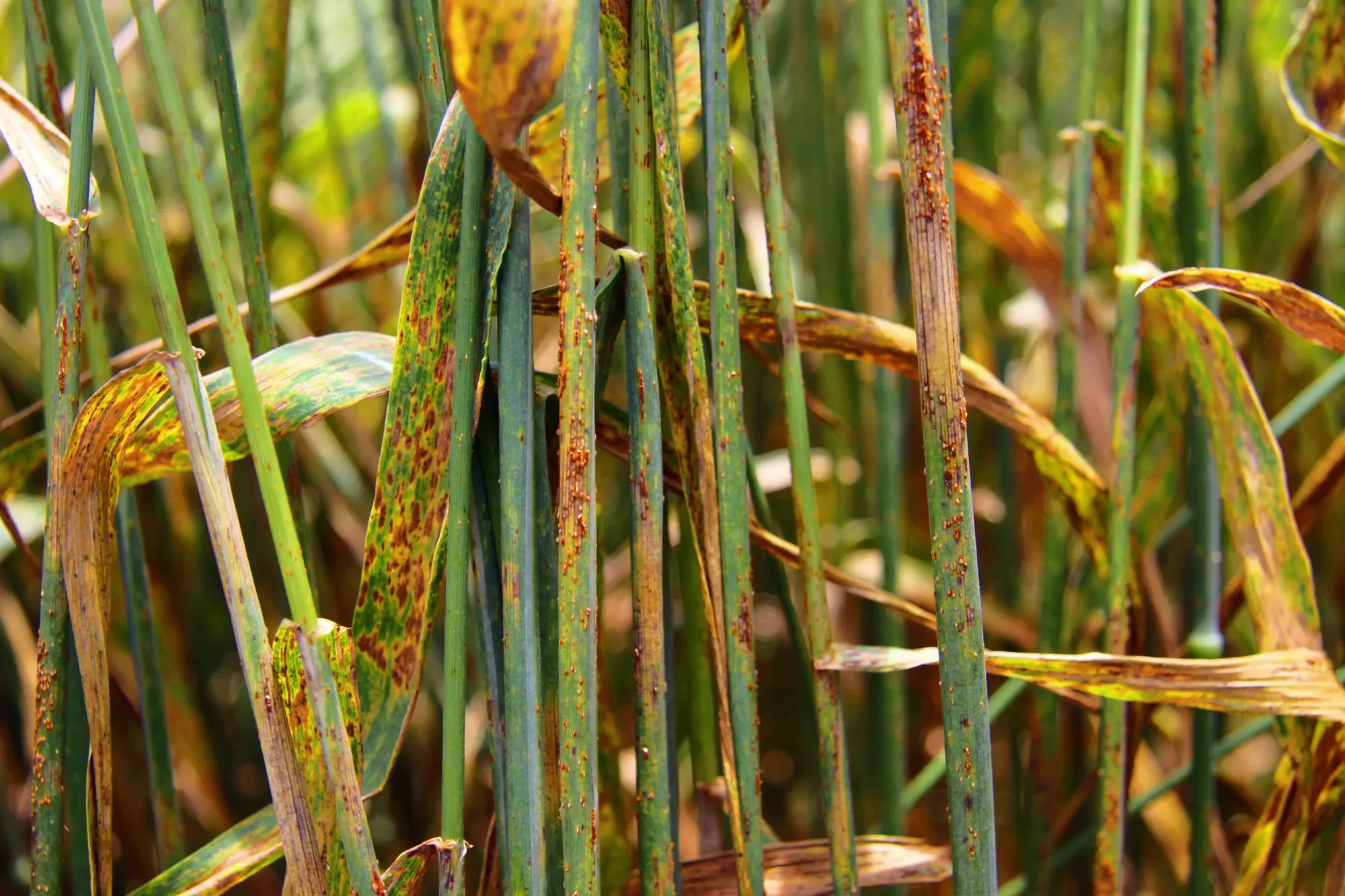
Lawn rust particularly affects perennial ryegrass, Kentucky bluegrass, tall and fine fescues, zoysiagrass, and bermudagrass. These infections often become apparent when orange spores transfer to shoes and clothing.
Economically Important Crops
Beyond the home garden, rust fungi pose significant threats to major crops including wheat, soybeans, and coffee. These agricultural impacts highlight just how serious rust diseases can become when conditions favour their development.
The Complex Life Cycle of Rust Fungi
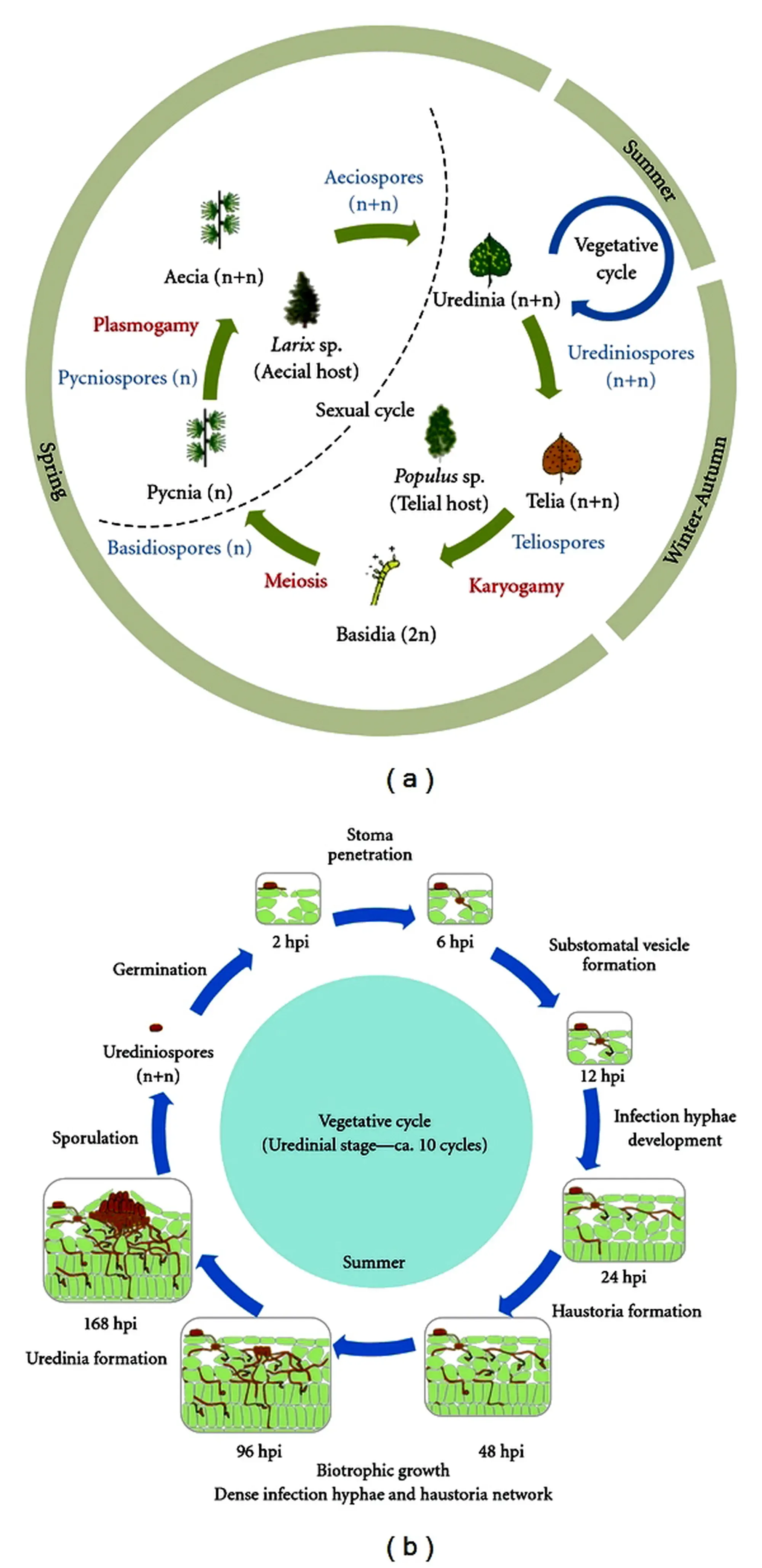
Understanding rust fungi life cycles helps explain why these diseases can seem so persistent and why control strategies sometimes focus on seemingly unrelated plants.
Simple vs Complex Cycles
Some rust species complete their entire life cycle on a single host plant, producing just one or two spore types. These autoecious rusts are often easier to manage since removing infected plant material can significantly reduce disease pressure.
However, many economically important rusts are heteroecious, requiring two different host species to complete their life cycle. These complex cycles involve up to five different spore stages, each adapted for specific functions like survival, reproduction, or dispersal.
Spore Production and Dispersal
Rust fungi are prolific spore producers. A single pustule can release millions of microscopic spores, which spread through wind, water, or insect vectors. This massive spore production explains why rust diseases can spread so rapidly through gardens during favourable conditions.
Different spore types serve different purposes. Some are designed for immediate reinfection of the same host, whilst others are built for long-term survival through winter or for infecting alternate hosts.
Environmental Conditions That Promote Rust
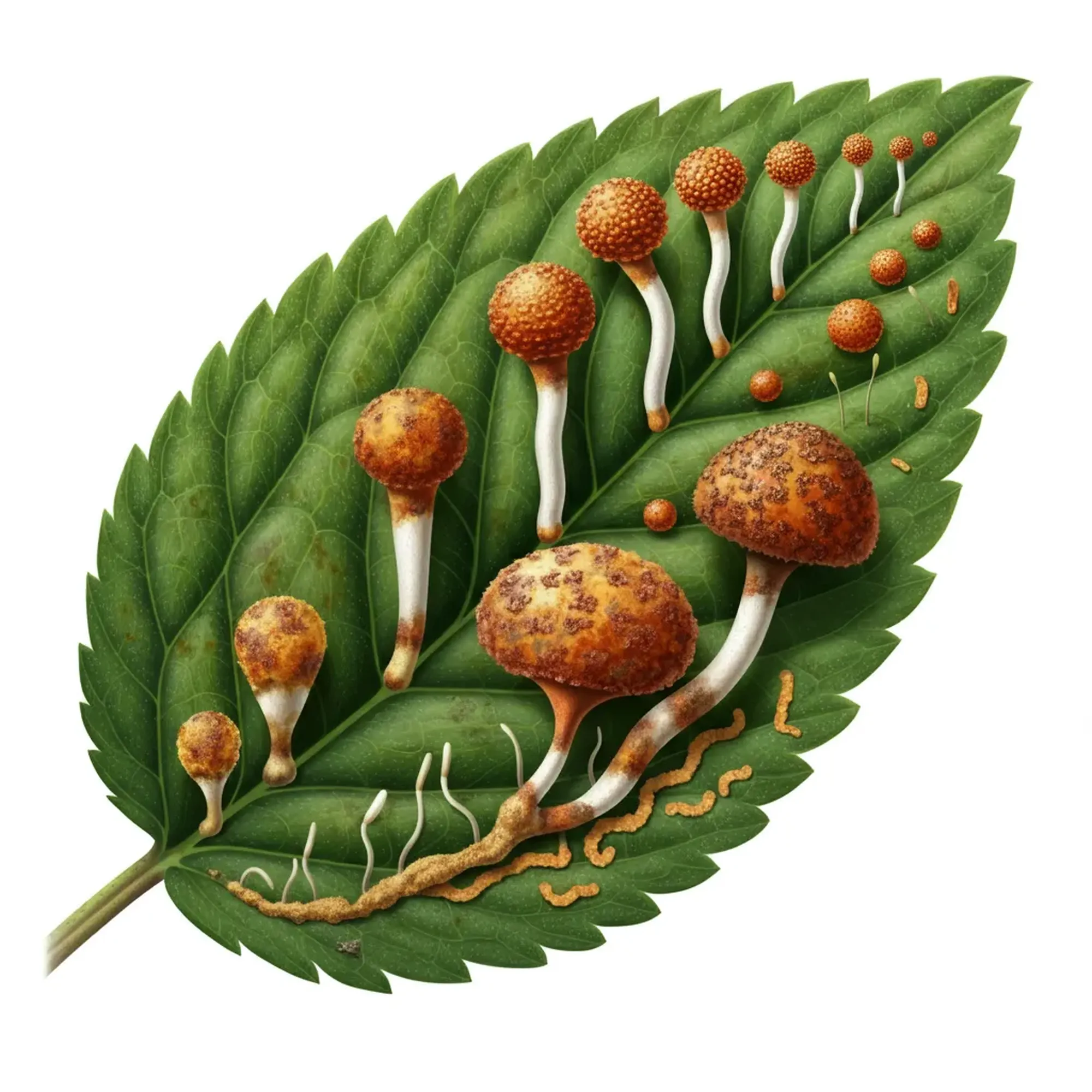
Successful rust management requires understanding the environmental factors that favour disease development. Rust fungi are particularly sensitive to moisture and temperature conditions.
Moisture Requirements
Prolonged leaf wetness is absolutely critical for rust infection. Spores need extended periods of surface moisture to germinate and penetrate plant tissue. This explains why rust diseases are typically associated with wet summers and why morning dew, overhead watering, and poor air circulation all increase infection risk.
The magic number for most rust fungi is approximately 6-10 hours of continuous leaf wetness. After this threshold, infection rates increase dramatically, especially when followed by rapid temperature increases and higher light intensity.
Temperature Preferences
Most rust fungi prefer moderate temperatures between 18-30°C (64-86°F) for optimal development. However, different species have varying temperature preferences, which explains why some rusts are more problematic in spring or autumn rather than midsummer.
Other Contributing Factors
Poor air circulation, dense plant spacing, and excess nitrogen fertilisation all contribute to rust development. Soft, lush growth produced by high nitrogen levels is particularly susceptible to infection, whilst overcrowded plantings create the humid microclimates that rust fungi adore.
Prevention Strategies That Actually Work
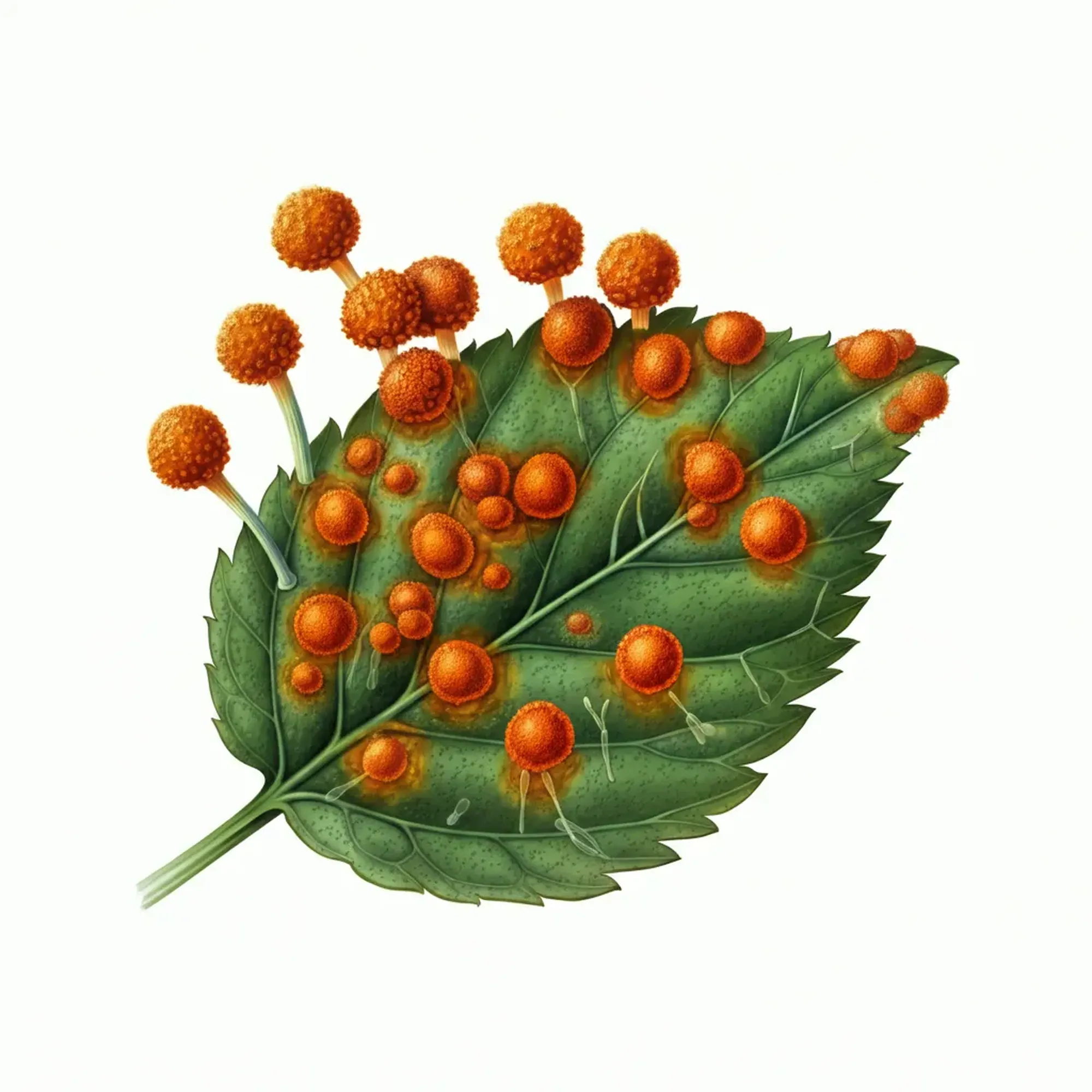

Prevention remains the most effective approach to rust management. By creating conditions that discourage rust development and eliminating infection sources, you can dramatically reduce disease pressure in your garden.
Smart Plant Selection
Choose resistant cultivars whenever possible. Plant breeders have developed rust-resistant varieties for many susceptible species, from roses to beans. However, remember that resistance can sometimes be overcome by new fungal strains, so don't rely entirely on genetic resistance.
Proper Plant Spacing and Positioning
Ensure adequate spacing between plants to promote air circulation. Good airflow helps leaves dry quickly after rain or watering, reducing the prolonged moisture periods that rust fungi require. Consider prevailing wind directions when planning garden layouts.
Watering Techniques
Water early in the morning using drip irrigation, soaker hoses, or other methods that keep foliage dry. If you must use overhead sprinklers, time them so plants can dry completely before evening. Evening watering creates perfect conditions for overnight spore germination.
Garden Hygiene
Remove infected plant debris promptly and dispose of it properly—never compost rust-infected material. Clean tools and shoes between plants to prevent spreading spores. Autumn cleanup is particularly important, as many rust spores overwinter in fallen leaves and plant debris.
Managing Alternate Hosts
For heteroecious rusts, removing alternate hosts can break the disease cycle. The classic example is removing wild barberry plants to control wheat stem rust, but similar strategies apply to ornamental plantings. Research your specific rust problems to identify relevant alternate hosts.
Treatment Options for Infected Plants
When prevention fails and rust appears in your garden, swift action can limit spread and damage. Treatment success depends largely on early intervention and consistent application.
Cultural Controls
Remove infected leaves and plant parts as soon as symptoms appear, provided this doesn't involve removing most of the plant. Improve air circulation through pruning, staking, or relocating plants. Apply mulch around plants to prevent spores from splashing back onto foliage during watering or rain.
Organic Treatment Options
Copper-based fungicides can provide effective rust control when applied preventively or at the first sign of infection. Sulphur powders and sprays also offer good protection, particularly for roses and other ornamental plants. These treatments work best when applied every 7-10 days during periods of high disease pressure.
Biological fungicides containing Bacillus subtilis offer another organic option. These beneficial bacteria compete with rust fungi and can provide reasonable control when used consistently.
Timing Applications
Fungicide applications are most effective when applied preventively or at the very first signs of infection. Once pustules are actively producing spores, fungicides become much less effective at stopping disease progression, though they may still limit further spread.
Chemical Fungicides
For severe infections, conventional fungicides may be necessary. Apply these in early spring as new growth appears or in autumn after leaf drop. During active growing seasons, treatments typically need repeating every 4-5 weeks whilst conditions remain favourable for rust development.
Long-term Garden Management
Creating a rust-resistant garden environment requires ongoing attention to cultural practices and plant health. Healthy, vigorous plants better resist infection and recover more quickly when disease does occur.
Soil Health and Nutrition
Maintain proper soil drainage and avoid excessive nitrogen fertilisation, which promotes soft growth that's easily colonised by rust fungi. Use slow-release, balanced fertilisers to encourage steady, moderate growth rather than rapid flushes of tender tissue.
Monitoring and Record Keeping
Keep records of rust problems in your garden, noting which plants are affected, when symptoms appear, and what environmental conditions preceded outbreaks. This information helps you anticipate problems and time preventive treatments more effectively.
Seasonal Planning
Plan garden activities around rust disease cycles. Schedule fungicide applications before predicted weather conditions favour infection. Time plant replacements to avoid introducing susceptible plants during high-risk periods.
Take Action Against Rust Fungi
Rust fungi may be persistent garden adversaries, but they're far from invincible. By understanding their biology, recognising their symptoms, and implementing proven prevention and treatment strategies, you can maintain a healthy, vibrant garden despite their presence.
Start your rust management program today by assessing your current plantings for disease symptoms and risk factors. Identify any alternate hosts that might be contributing to disease cycles, and consider whether your watering and spacing practices might be encouraging infection.
Remember that successful rust management is an ongoing process, not a one-time fix. Stay vigilant throughout the growing season, maintain good garden hygiene, and don't hesitate to remove severely infected plants if they're threatening the health of your entire garden. With consistent effort and the right knowledge, you can keep rust fungi in check and enjoy the beautiful, healthy garden you've worked so hard to create.
Frequently Asked Questions about Rust Fungi
1. What exactly are rust fungi?
Rust fungi are a group of plant pathogens belonging to the order Pucciniales, which includes 168 genera and around 7,000 species worldwide. These fungi are unique as they rely entirely on living plant tissue to survive and often cause bright rusty-orange, yellow, brown, or red spore masses on infected plants.
2. How do I recognise rust fungi on my plants?
Early signs of rust fungi include small pale spots on leaves that gradually develop into spore pustules. These typically appear on the underside of leaves as raised, powdery masses in colours like orange, yellow, or brown. Severely infected plants may show yellowing leaves, stunted growth, and premature leaf drop.
3. Do rust fungi need more than one plant to complete their life cycle?
Yes, many rust fungi have a complex life cycle and require two different plant hosts to complete their stages of development. This means that they can spread between completely unrelated plants, depending on the species. For instance, cedar-apple rust alternates between cedar and apple trees.
4. What conditions favour rust fungi growth?
Rust fungi thrive in warm, humid conditions, especially when temperatures range between 18-30°C (64-86°F). Their spores need around 6-10 hours of continuous leaf moisture to germinate, often making wet summers prime time for outbreaks.
5. Can rust fungi be treated, and how can I prevent them?
Yes, rust fungi can be managed with prompt action:
- Prevention: Improve air circulation, avoid overhead watering, and remove infected plant debris immediately. Use resistant plant varieties and space plants appropriately.
- Treatment: Apply fungicides like copper-based or sulphur sprays early, ideally before symptoms worsen. For organic options, consider biological fungicides containing Bacillus subtilis.
Thorough garden hygiene and monitoring are vital to reduce the risk of recurring infections year-round.
For more details on identifying, preventing, and treating rust fungi, visit our Rust Fungi Management Guide.
How to Prune Climbing Vines
List by Variety
- How to Prune Actinidia
- How to Prune Akebia
- How to Prune Bougainvillea
- How to Prune Campsis
- How to Prune Celastrus
- How to Prune Chilean Glory Vine
- How to Prune Clematis Armandii
- How to Prune Clematis Montana
- How to Prune Climbing Rose
- How to Prune Hedera GoldHeart
- How to Prune Honeysuckle
- How to Prune Hydrangea Petiolaris
- How to Prune Ivy
- How to Prune Japanese Wisteria
- How to Prune Morning Glory
- How to Prune Parthenocissus
- How to Prune Persian Ivy Hedera Colchica
- How to Prune Schisandra
- How to Prune Star Jasmine
- How to Prune Sweet Peas
- How to Prune True Jasmine
- How to Prune Virginia Creeper
- How to Prune Wisteria
How to Prune Hedges
List by Variety
- How to Prune an Arborvitae Hedge
- How to Prune a Barberry Hedge
- How to Prune a Beech Hedge
- How to Prune a Boxwood Hedge
- How to Prune a Butterfly Bush Hedge
- How to Prune a Cotoneaster Hedge
- How to Prune an English Lavender Hedge
- How to Prune an Escallonia Hedge
- How to Prune an Euonymus-Hedge
- How to Prune a Firethorn Hedge
- How to Prune a Forsythia Hedge
- How to Prune a Griselinia Hedge
- How to Prune a Hawthorn Hedge
- How to Prune a Holly Hedge
- How to Prune a Hornbeam Hedge
- How to Prune a Juniper Hedge
- How to Prune a Laurel Hedge
- How to Prune a Leylandii Hedge
- How to Prune a Lilac Hedge
- How to Prune a Maple Leaf Viburnum Hedge
- How to Prune a Photinia Hedge
- How to Prune a Pink Ramanus Rose Hedge
- How to Prune a Privet Hedge
- How to Prune a Pyracantha Hedge
- How to Prune a Spirea Hedge
- How to Prune a Thuja Hedge
- How to Prune a Viburnum Hedge
- How to Prune a Western Red Cedar Hedge
- How to Prune a Yew Hedge
How to Prune Shrubs
List by Variety
- How to Prune an Abelia Shrub
- How to Prune an Abutilon
- How to Prune an Acer / Japanese-Maple
- How to Prune an Amelanchiers
- How to Prune an Apple-Tree
- How to Prune an Arbovitae Shrub
- How to Prune an Arbutus
- How to Prune an Aucuba
- How to Prune a Azalea Mollis
- How to Prune Azaleas
- How to Prune a Bay Tree Shrub
- How to Prune a Berberis Darwinii
- How to Prune Berberis Deciduous Types
- How to Prune a Boxwood Shrubs
- How to Prune a Brachyglottis Senecio
- How to Prune a Buddleia Alternifolia
- How to Prune Buddleias Butterfly Bushes
- How to Prune a Buddleja Globosa
- How to Prune a Callicarpa
- How to Prune a Camellia
- How to Prune a Caryopteris
- How to Prune a Catalpa Bignonioides Aurea
- How to Prune Ceanothus Deciduous Types
- How to Prune Ceanothus Evergreen Types
- How to Prune a Ceratostigma
- How to Prune a Chaenomeles
- How to Prune a Choisya
- How to Prune a Cistus
- How to Prune a Clematis
- How to Prune a Cornus
- How to Prune a Cotinus Royal Purple
- How to Prune a Cytisus Scoparius
- How to Prune a Exochorda x Macrantha
- How to Prune a Forsythia
- How to Prune a Hebe
- How to Prune a Hydrangeas
- How to Prune Juniper Shrubs
- How to Prune a Lavatera
- How to Prune Lilac Bushes
- How to Prune a Mugo Pine
- How to Prune Rose Bushes
- How to Prune Ribes
- How to Prune Spirea Shrubs
- How to Prune Viburnum Shrubs
- How to Prune a Weigela
- How to Prune a Yew
How to Prune Trees
List by Variety
- How to Prune a Apple Tree
- How to Prune a Apricot Tree
- How to Prune a Ash Tree
- How to Prune a Birch Tree
- How to Prune a Cherry Tree
- How to Prune a Elm Tree
- How to Prune a Fig Tree
- How to Prune a Grape Tree
- How to Prune a Hickory Tree
- How to Prune a Maple Tree
- How to Prune a Oak Tree
- How to Prune an Olive Tree
- How to Prune a Peach Tree
- How to Prune a Pear Tree
- How to Prune a Plum Tree
- How to Prune a Poplar Tree
- How to Prune a Walnut Tree
How to Prune Climbing Vines
List by Variety
- How to Prune Actinidia
- How to Prune Akebia
- How to Prune Bougainvillea
- How to Prune Campsis
- How to Prune Celastrus
- How to Prune Chilean Glory Vine
- How to Prune Clematis Armandii
- How to Prune Clematis Montana
- How to Prune Climbing Rose
- How to Prune Hedera GoldHeart
- How to Prune Honeysuckle
- How to Prune Hydrangea Petiolaris
- How to Prune Ivy
- How to Prune Japanese Wisteria
- How to Prune Morning Glory
- How to Prune Parthenocissus
- How to Prune Persian Ivy Hedera Colchica
- How to Prune Schisandra
- How to Prune Star Jasmine
- How to Prune Sweet Peas
- How to Prune True Jasmine
- How to Prune Virginia Creeper
- How to Prune Wisteria
How to Prune Hedges
List by Variety
- How to Prune an Arborvitae Hedge
- How to Prune a Barberry Hedge
- How to Prune a Beech Hedge
- How to Prune a Boxwood Hedge
- How to Prune a Butterfly Bush Hedge
- How to Prune a Cotoneaster Hedge
- How to Prune an English Lavender Hedge
- How to Prune an Escallonia Hedge
- How to Prune an Euonymus-Hedge
- How to Prune a Firethorn Hedge
- How to Prune a Forsythia Hedge
- How to Prune a Griselinia Hedge
- How to Prune a Hawthorn Hedge
- How to Prune a Holly Hedge
- How to Prune a Hornbeam Hedge
- How to Prune a Juniper Hedge
- How to Prune a Laurel Hedge
- How to Prune a Leylandii Hedge
- How to Prune a Lilac Hedge
- How to Prune a Maple Leaf Viburnum Hedge
- How to Prune a Photinia Hedge
- How to Prune a Pink Ramanus Rose Hedge
- How to Prune a Privet Hedge
- How to Prune a Pyracantha Hedge
- How to Prune a Spirea Hedge
- How to Prune a Thuja Hedge
- How to Prune a Viburnum Hedge
- How to Prune a Western Red Cedar Hedge
- How to Prune a Yew Hedge
How to Prune Shrubs
List by Variety
- How to Prune an Abelia Shrub
- How to Prune an Abutilon
- How to Prune an Acer / Japanese-Maple
- How to Prune an Amelanchiers
- How to Prune an Apple-Tree
- How to Prune an Arbovitae Shrub
- How to Prune an Arbutus
- How to Prune an Aucuba
- How to Prune a Azalea Mollis
- How to Prune Azaleas
- How to Prune a Bay Tree Shrub
- How to Prune a Berberis Darwinii
- How to Prune Berberis Deciduous Types
- How to Prune a Boxwood Shrubs
- How to Prune a Brachyglottis Senecio
- How to Prune a Buddleia Alternifolia
- How to Prune Buddleias Butterfly Bushes
- How to Prune a Buddleja Globosa
- How to Prune a Callicarpa
- How to Prune a Camellia
- How to Prune a Caryopteris
- How to Prune a Catalpa Bignonioides Aurea
- How to Prune Ceanothus Deciduous Types
- How to Prune Ceanothus Evergreen Types
- How to Prune a Ceratostigma
- How to Prune a Chaenomeles
- How to Prune a Choisya
- How to Prune a Cistus
- How to Prune a Clematis
- How to Prune a Cornus
- How to Prune a Cotinus Royal Purple
- How to Prune a Cytisus Scoparius
- How to Prune a Exochorda x Macrantha
- How to Prune a Forsythia
- How to Prune a Hebe
- How to Prune a Hydrangeas
- How to Prune Juniper Shrubs
- How to Prune a Lavatera
- How to Prune Lilac Bushes
- How to Prune a Mugo Pine
- How to Prune Rose Bushes
- How to Prune Ribes
- How to Prune Spirea Shrubs
- How to Prune Viburnum Shrubs
- How to Prune a Weigela
- How to Prune a Yew
How to Prune Trees
List by Variety
- How to Prune a Apple Tree
- How to Prune a Apricot Tree
- How to Prune a Ash Tree
- How to Prune a Birch Tree
- How to Prune a Cherry Tree
- How to Prune a Elm Tree
- How to Prune a Fig Tree
- How to Prune a Grape Tree
- How to Prune a Hickory Tree
- How to Prune a Maple Tree
- How to Prune a Oak Tree
- How to Prune an Olive Tree
- How to Prune a Peach Tree
- How to Prune a Pear Tree
- How to Prune a Plum Tree
- How to Prune a Poplar Tree
- How to Prune a Walnut Tree
Gallery
Necessitatibus eius consequatur ex aliquid fuga eum quidem sint consectetur velit


Michael Carter
Vestibulum ante ipsum primis in faucibus orci luctus et ultrices posuere cubilia curae; Donec vel erat in nulla efficitur tempor non ut nisl. Integer venenatis eros ut dui viverra fermentum.
Sophie Wilson
Nam ut turpis hendrerit, varius nunc vel, elementum dui. Morbi vulputate dolor sit amet scelerisque egestas. Vestibulum eleifend nunc ut bibendum fermentum.
Alex Morgan
Cras non velit nec purus tempor rhoncus. Sed non mauris vitae erat consequat auctor eu in elit. Class aptent taciti sociosqu ad litora torquent per conubia nostra.