All You Need to Know About Caterpillars and the Damage they Cause to a UK Garden
All You Need to Know About Caterpillars and the Damage they Cause to a UK Garden
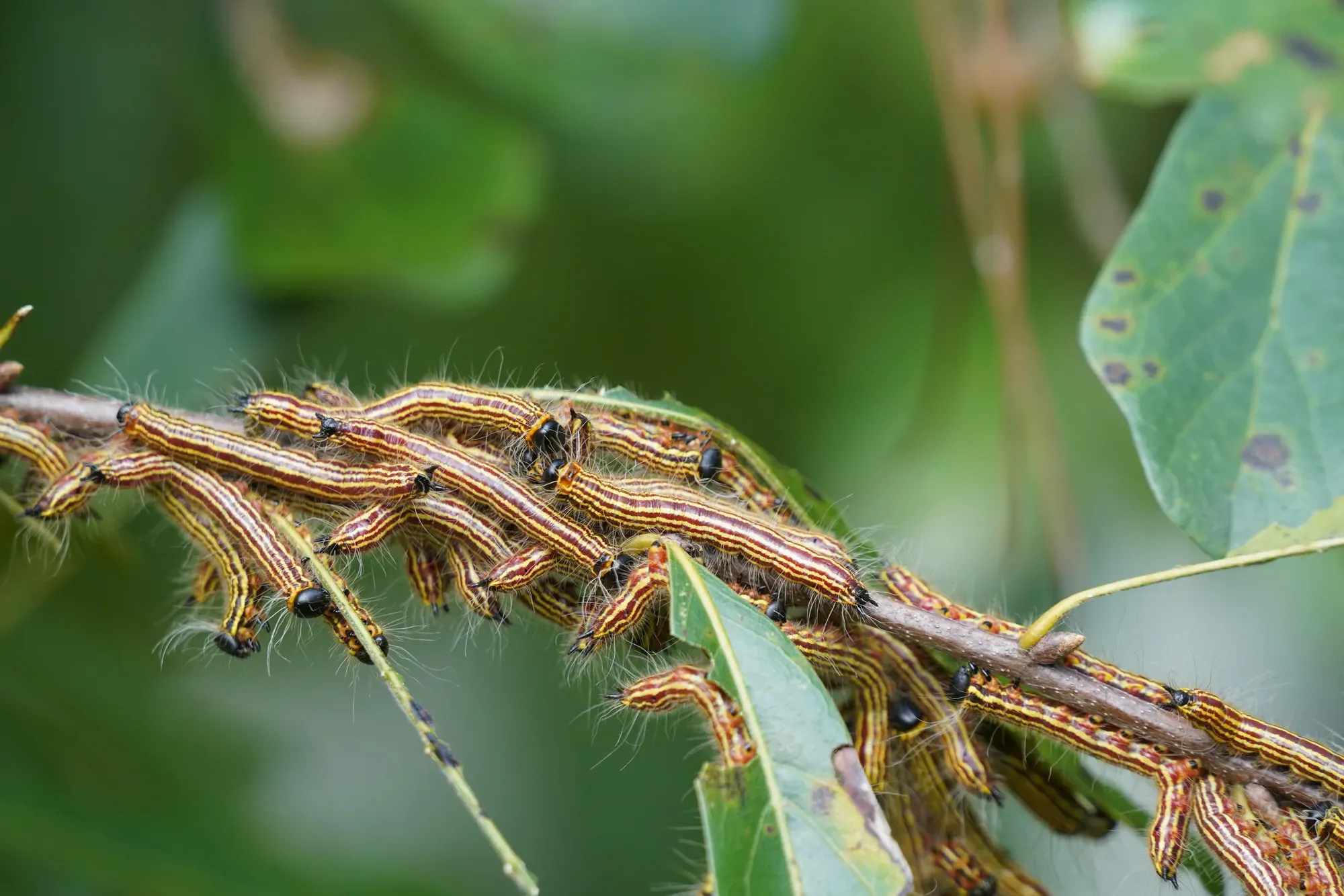
The Yellow-necked Caterpillar feeds on a wide variety of woody plants. They are highly gregarious.
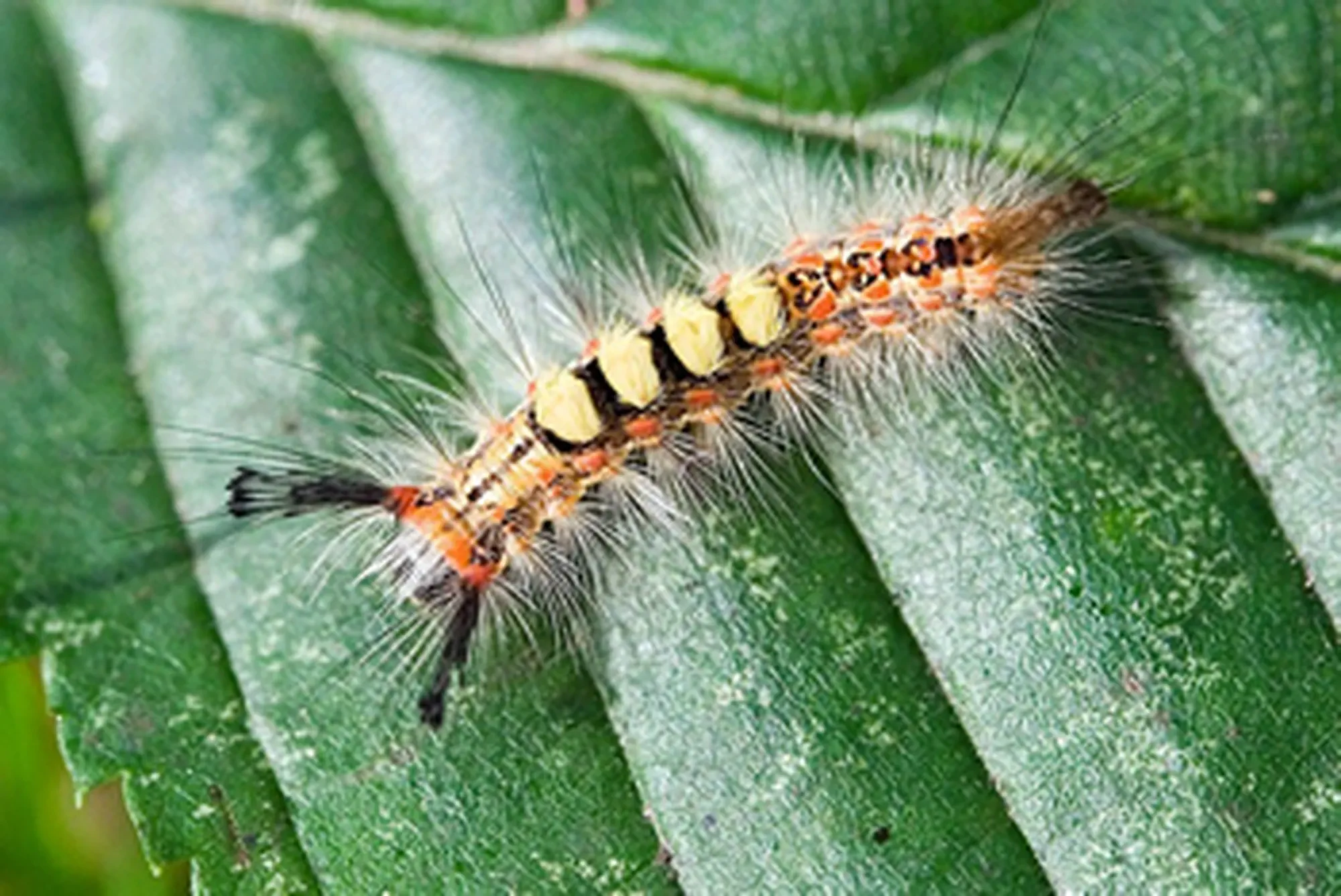
Caterpillars are the larvae of moths and butterflies, and can cause significant damage to a UK garden. They feed on a variety of plants, including vegetables, fruits, and flowers, and can quickly strip a garden of its foliage. In order to protect your garden from caterpillars, it is important to understand their life cycle and the damage they can cause. This article will provide an overview of caterpillars, their life cycle, and the damage they can cause to a UK garden.
What are Caterpillars and their Life Cycle
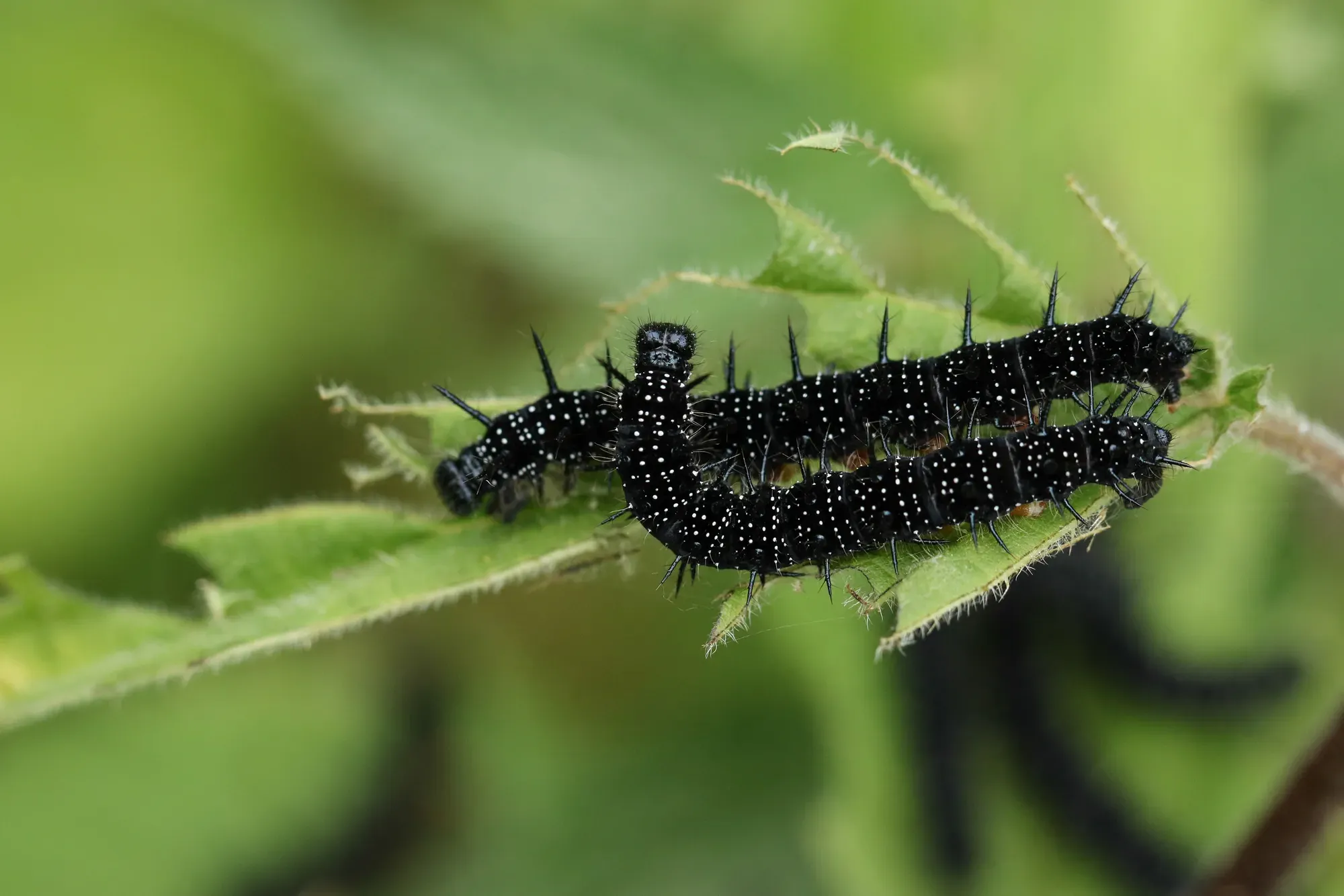
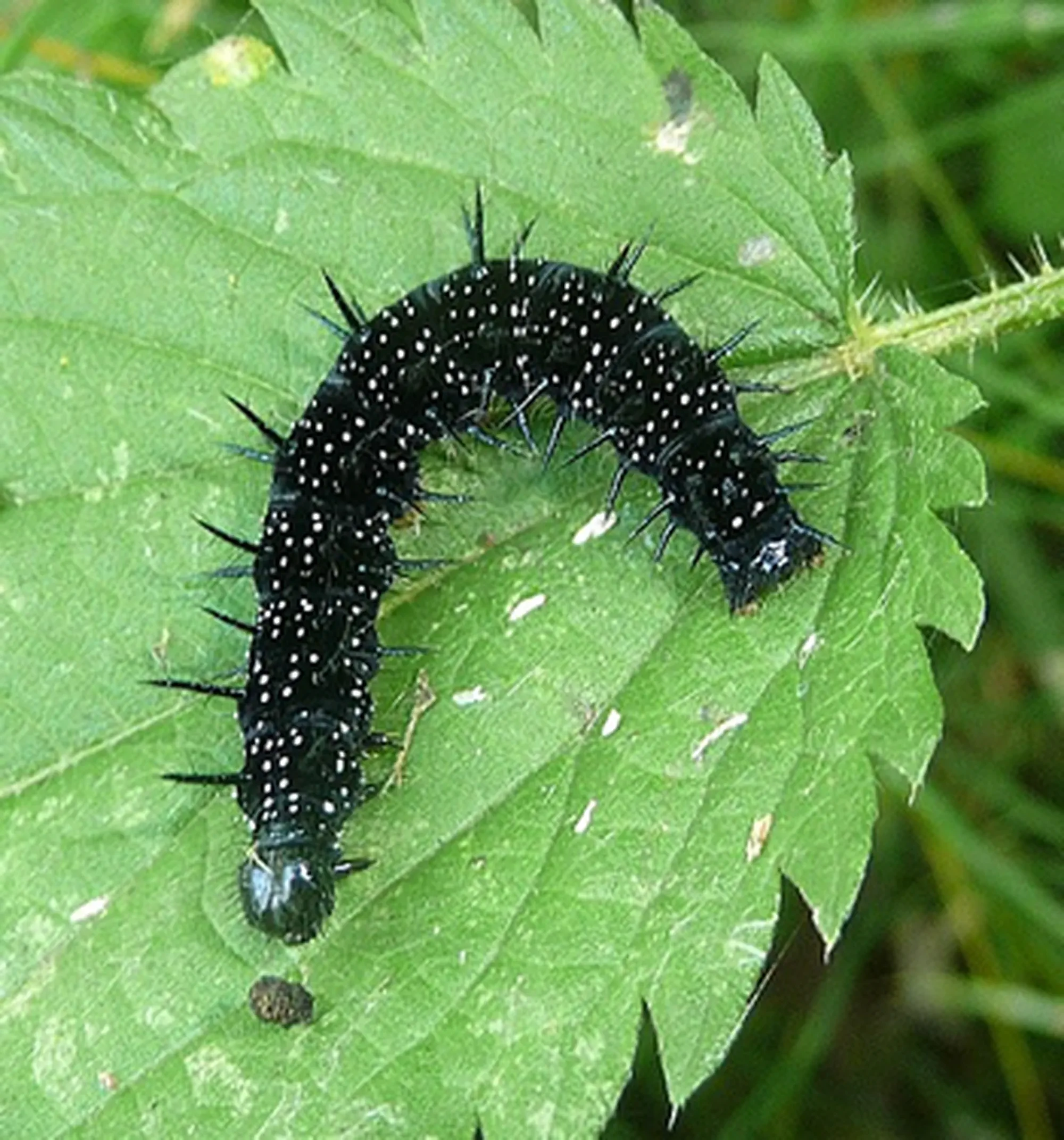
Two Peacock Butterfly Catterpillar, Aglais io, feeding on stinging nettle plants.

Caterpillars are the larvae of moths and butterflies, and they can cause a lot of damage to a UK garden. They feed on a variety of plants, including vegetables, fruits, and flowers, and can quickly strip a garden of its foliage. In order to protect your garden from caterpillars, it is important to understand their life cycle.
Caterpillars go through four stages of development: egg, larva, pupa, and adult. The egg stage is the first stage of the life cycle, and the eggs are usually laid on the underside of leaves. The eggs hatch into larvae, which feed on the leaves and grow in size. After a few weeks, the larvae enter the pupa stage, where they form a cocoon and transform into an adult moth or butterfly. The adult moth or butterfly then lays eggs, and the cycle begins again.
It is important to be aware of the damage that caterpillars can cause to a UK garden, and to take steps to protect your plants from them. By understanding the life cycle of caterpillars, you can take steps to prevent them from laying eggs in your garden and causing damage.
Identifying Common UK Caterpillars
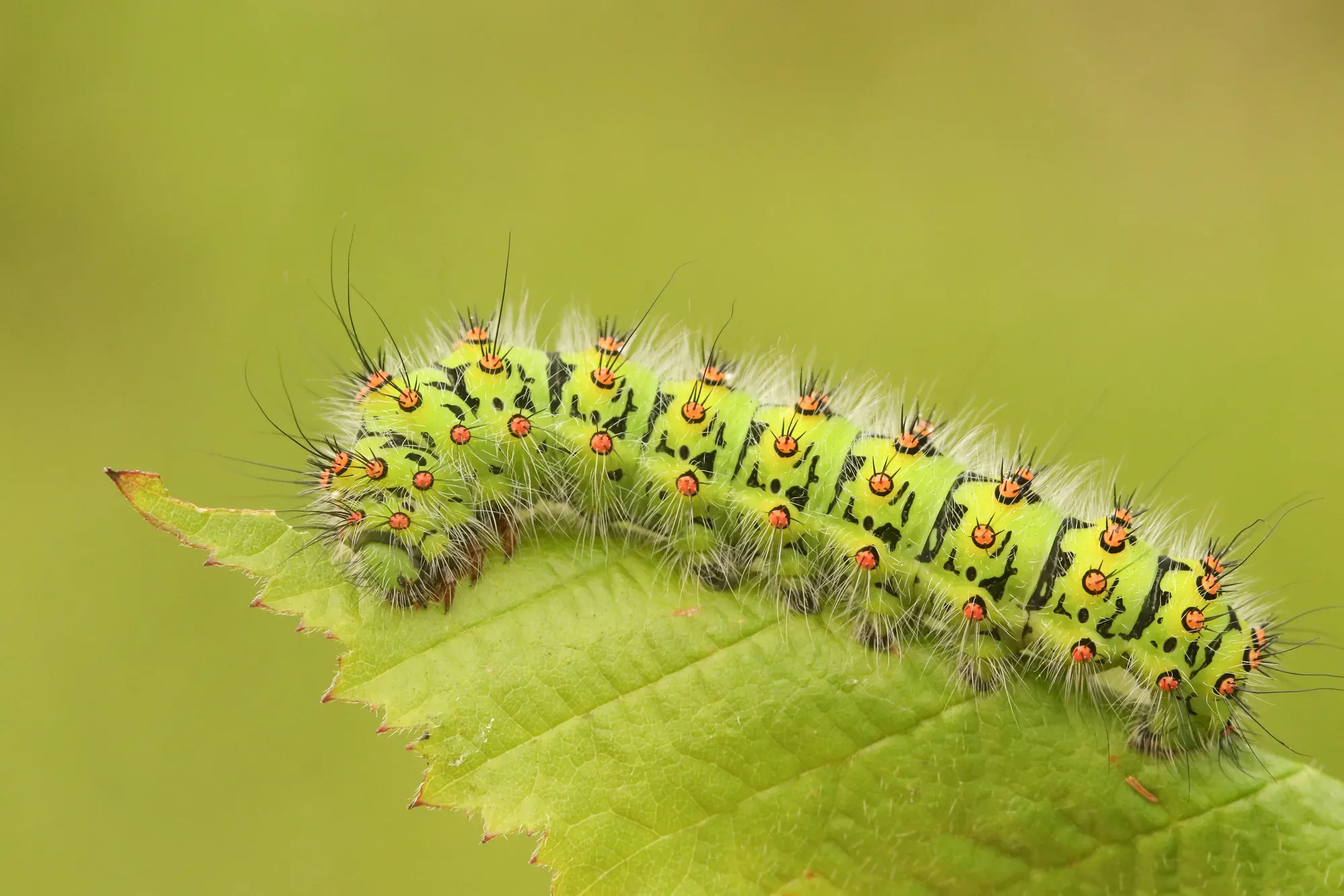
An Emperor moth Caterpillar (Saturnia pavonia) feeding on a bramble leaf.

Caterpillars are a common sight in UK gardens, and can cause significant damage to plants and trees. It is important to be able to identify the different types of caterpillars that can be found in the UK, so that you can take the necessary steps to protect your garden.
The most common caterpillars found in the UK are the Cinnabar Moth, the Garden Tiger Moth, and the Small White. The Cinnabar Moth caterpillar is black and yellow in colour, and can be found on ragwort and other plants. The Garden Tiger Moth caterpillar is brown and white, and can be found on a variety of plants. The Small White caterpillar is green and white, and can be found on cabbages and other brassicas.
It is important to be aware of the damage that caterpillars can cause to your garden. They can eat the leaves of plants, leaving them looking bare and unhealthy. They can also cause damage to fruit and vegetables, making them unappetising and inedible. If you notice any caterpillars in your garden, it is important to take action to protect your plants.
Types of Damage Caused by Caterpillars
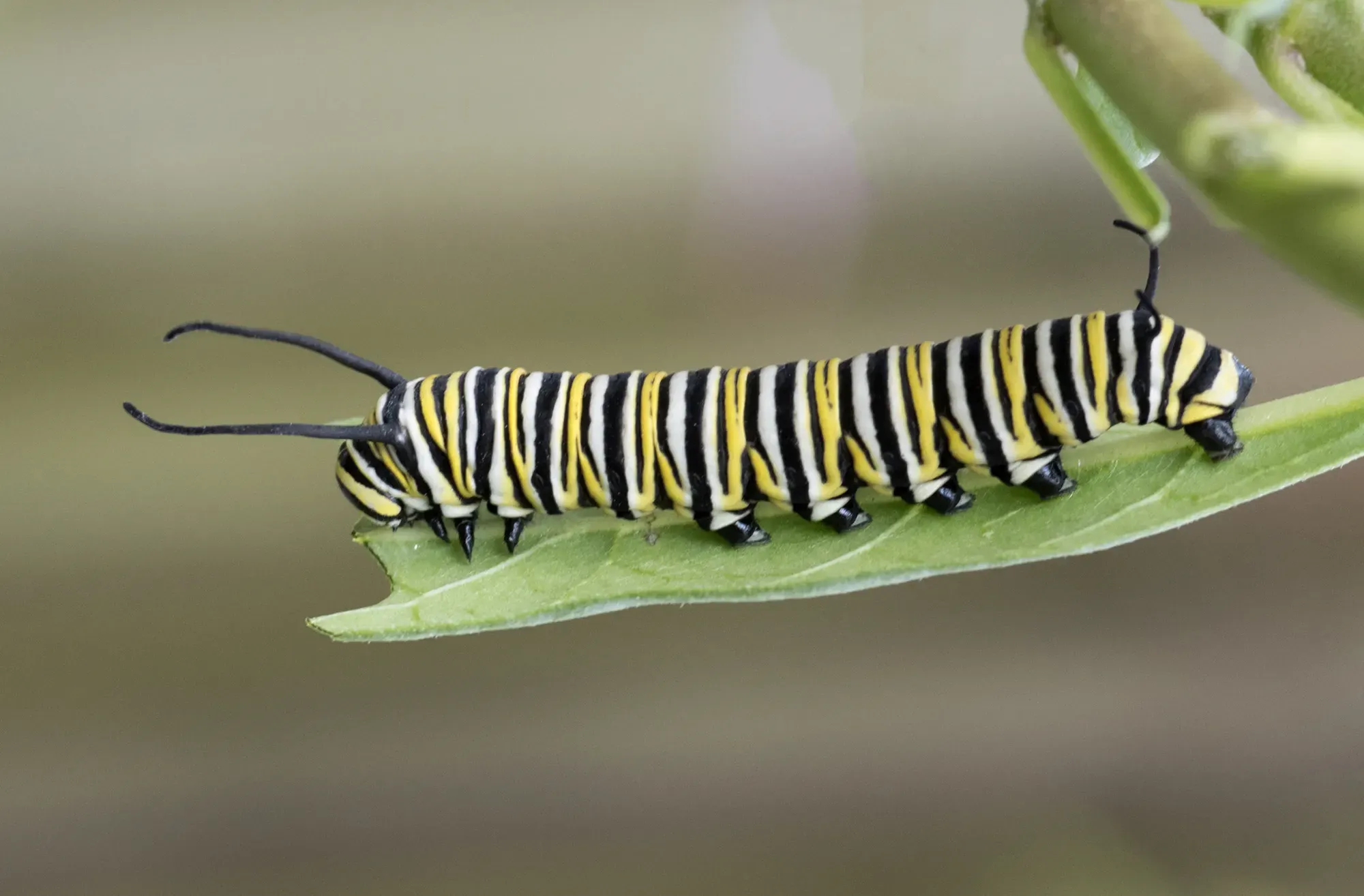
Caterpillars are a common sight in UK gardens, and while they may look harmless, they can cause a great deal of damage to plants and trees. The most common type of damage caused by caterpillars is defoliation, which is when they eat the leaves of plants and trees. This can be especially damaging to young plants, as they are more vulnerable to the effects of defoliation. In addition to defoliation, caterpillars can also cause damage to the stems and fruit of plants, as well as the bark of trees. This can lead to weakened plants and trees, which can be more susceptible to disease and pests. It is important to be aware of the damage that caterpillars can cause, and to take steps to protect your garden from them.
A Comprehensive Guide to Restoring Plants Damaged by Caterpillars
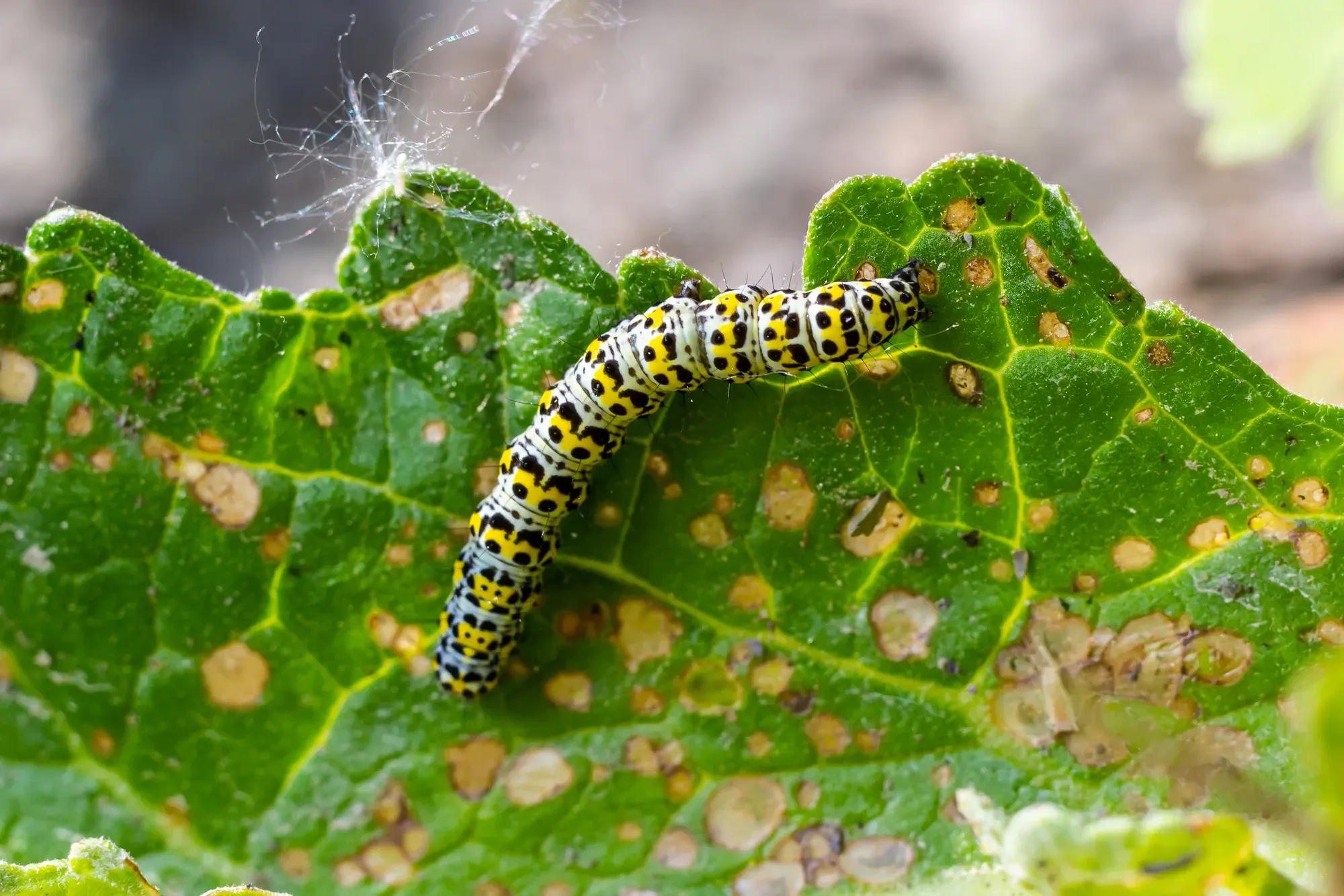
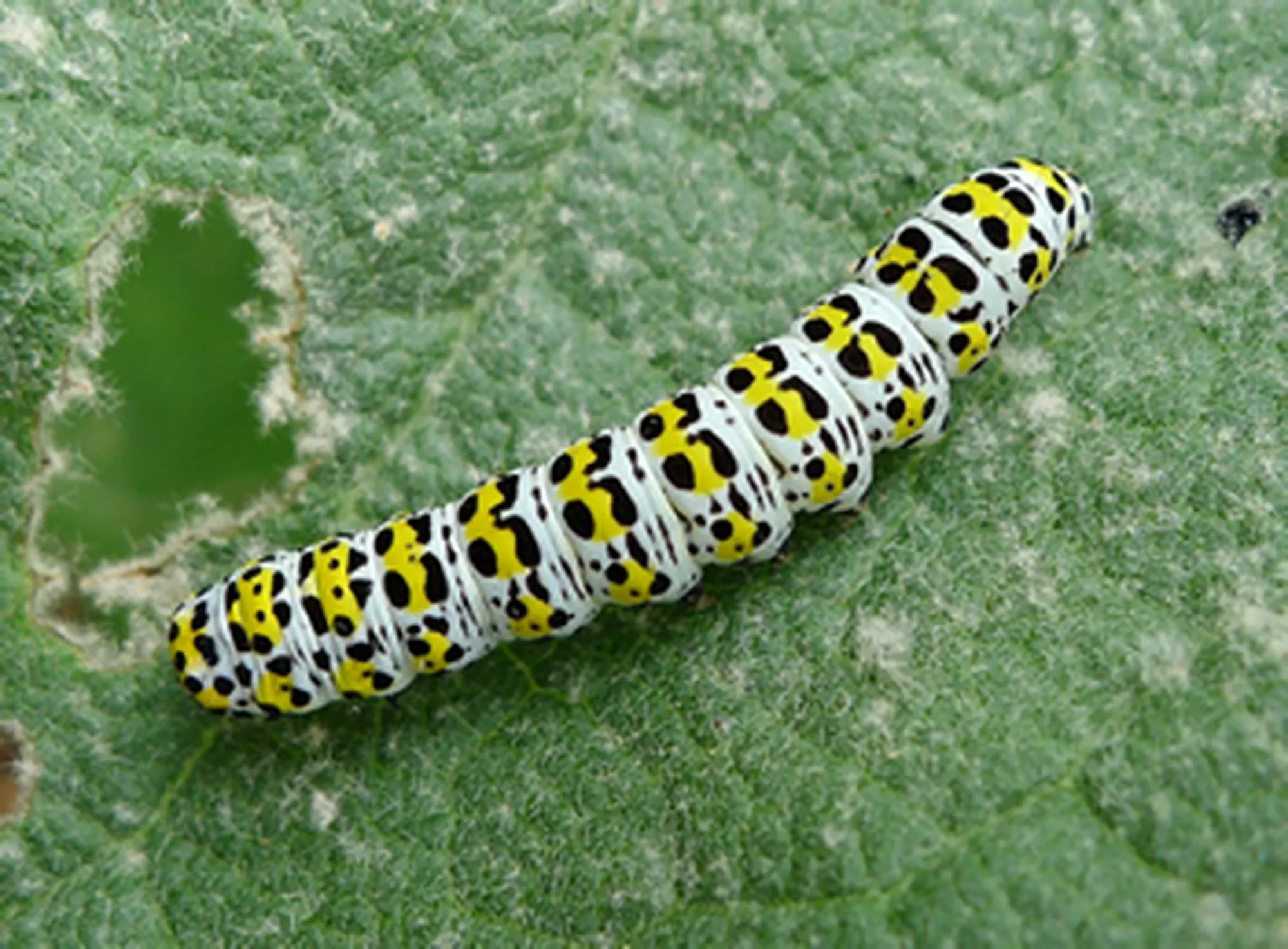
Mullein Cucullia verbasci Caterpillars feeding on garden flower leaves .
Caterpillars, the larvae of butterflies and moths, can be a destructive force in your garden or greenhouse. They chew through leaves, stems, and flowers, leaving a trail of destruction that can significantly damage or even kill your plants. This guide will assist you in restoring your plants after they've been impacted by caterpillars.
Identifying Caterpillar Damage
Firstly, it's vital to correctly identify the damage caused by caterpillars. They tend to leave behind distinctive signs such as:
- Holes in Leaves: Caterpillars are voracious eaters and their primary food source is plant foliage. If you notice irregular holes or chunks missing from your leaves, it's a sign of a caterpillar infestation.
- Frass (Caterpillar Droppings): These look like small, dark pellets. If you spot these on or around your plant, it's a clear indication of caterpillar presence.
- Silk Webs or Cocoons: Some species of caterpillars create silk webs or cocoons on the plant.
Treating the Affected Plant
Let's assume the plant affected by caterpillars is a tomato plant, a common victim of caterpillar infestation.
-
Step 1: Remove the Caterpillars
Manually pick off caterpillars wearing gloves and place them in a bucket of soapy water. This is a simple and effective method if the infestation is not severe.
-
Step 2: Prune Damaged Areas
Using clean, sharp pruning shears, cut off the heavily damaged parts of the plant. This prevents further spread of any diseases the caterpillars might have introduced.
-
Step 3: Apply Pest Control Measures
Choose an organic pest control product, like Bacillus thuringiensis (Bt), a naturally occurring bacterium that kills caterpillars but is safe for humans and pets. Apply according to the package instructions.
Preventing Future Infestations
- Introduce Beneficial Insects: Ladybugs, spiders, and certain wasp species are natural predators of caterpillars.
- Plant Caterpillar-Repelling Plants: Certain plants like lavender, sage, and peppermint naturally repel caterpillars.
- Regularly Inspect Your Plants: Check your plants frequently for signs of caterpillar activity. Early detection can prevent severe damage.
Monitoring the Plant's Recovery
Monitor the plant for new growth, which is a sign of recovery. This may take several weeks, depending on the extent of the damage and the plant's overall health. Also, keep checking for new caterpillar activity.
By following this guide, you should be able to restore your caterpillar-damaged plant back to health and prevent future infestations. Remember, a healthy plant is less likely to attract pests, so regular care and maintenance are key to a thriving garden or greenhouse.
What Plants Do Caterpillars Infest?
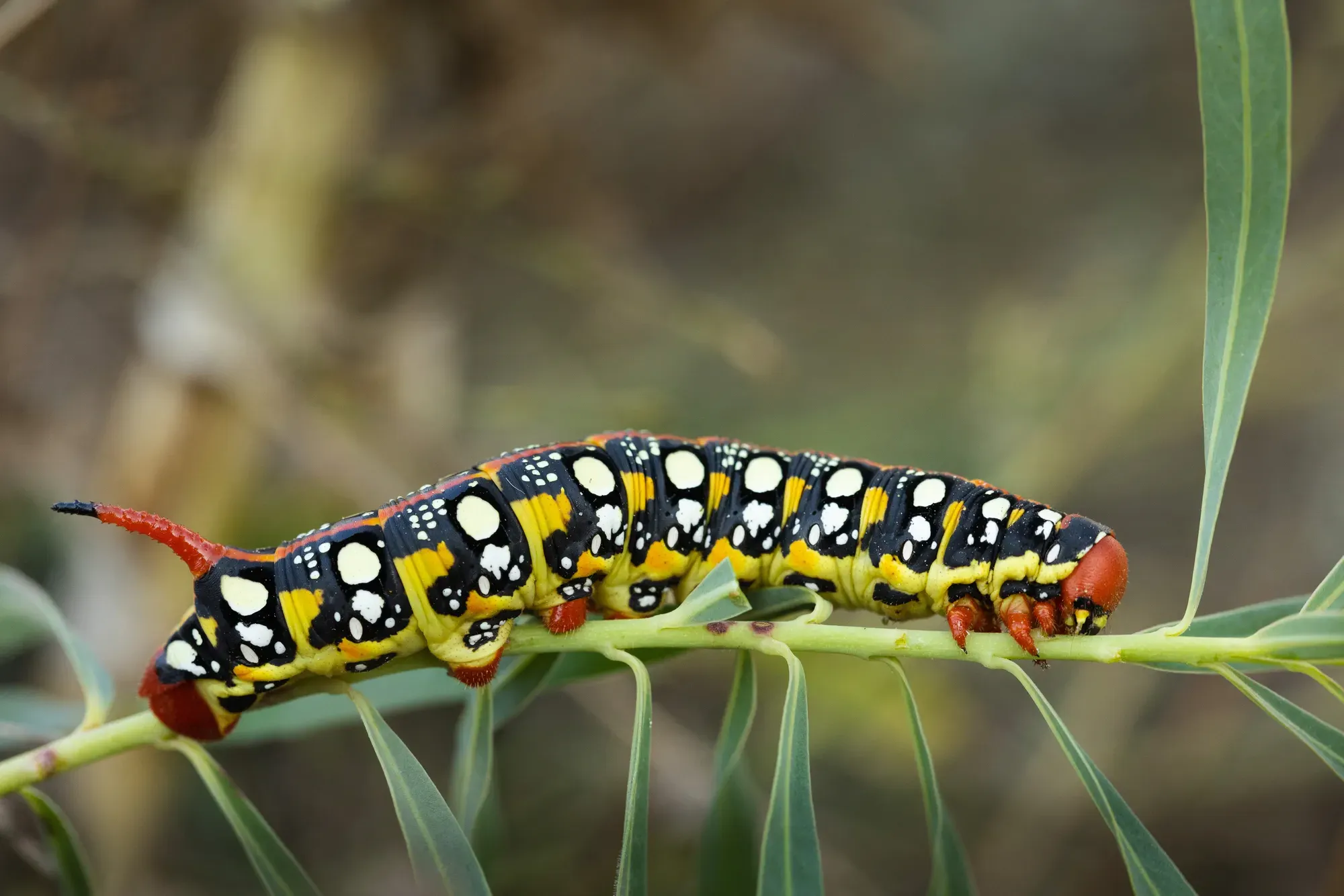
Closeup caterpillar of Spurge hawk-moth
Caterpillars are a common sight in UK gardens, and can cause a great deal of damage to plants. They are the larvae of moths and butterflies, and feed on a wide variety of plants. Common plants that caterpillars infest include roses, dahlias, and hollyhocks. They can also be found on vegetables such as cabbage, broccoli, and cauliflower.
Caterpillars can cause significant damage to plants, as they feed on the leaves and stems. This can lead to wilting, discoloration, and even death of the plant. To prevent caterpillars from infesting your garden, it is important to regularly inspect your plants for signs of damage. If you find caterpillars, you can remove them by hand or use an insecticide to kill them. It is also important to keep your garden free of debris and weeds, as these can provide shelter for caterpillars.
Caterpillars, which are the larvae stage of butterflies and moths, can be quite selective about their food sources. They typically feed on specific host plants, causing significant damage in the process. Here's a list of plants commonly infested by caterpillars:
-
1. Brassica oleracea (Cabbage Family)
This family includes cabbage, broccoli, kale, and Brussels sprouts. These plants are often targeted by the Cabbage White caterpillar due to the high levels of glucosinolates, which the caterpillars have evolved to detoxify.
Physical Characteristics: These plants have broad, green leaves that grow in a rosette or head formation.
Growth Habits: Most members of the cabbage family are cool-season crops, thriving in temperatures between 60°F and 70°F.
-
2. Solanum lycopersicum (Tomato)
Tomatoes are a favorite of the Tomato Hornworm caterpillar. These caterpillars are particularly destructive, capable of defoliating entire plants in a matter of days.
Physical Characteristics: Tomato plants have pinnate leaves and produce round, often red fruits.
Growth Habits: Tomatoes are warm-season crops that require full sun and well-drained soil.
-
3. Malus domestica (Apple)
Apple trees are frequently infested by various caterpillars, including the Codling Moth caterpillar, which tunnels into the fruit.
Physical Characteristics: Apple trees have white blossoms in spring, followed by round fruits in summer or fall.
Growth Habits: Apples are deciduous trees that thrive in full sun and well-drained, slightly acidic soil.
-
4. Quercus spp. (Oak)
Oak trees are targeted by numerous caterpillar species, including Gypsy Moth Caterpillars and the Oak Processionary caterpillar.
Physical Characteristics: Oaks are large trees with lobed leaves and acorn fruits.
Growth Habits: Oaks are hardy, slow-growing trees that prefer full sun and well-drained soil.
-
5. Asclepias spp. (Milkweed)
Milkweed is the primary food source for Monarch caterpillars. The plant's sap contains cardiac glycosides, which are toxic to many creatures but safely consumed by Monarch caterpillars, providing them with a natural defense against predators.
Physical Characteristics: Milkweeds have clusters of pink, orange, or white flowers and produce large seed pods.
Growth Habits: Milkweeds are perennial plants that prefer full sun and can tolerate poor, dry soil conditions.
By understanding the preferences of different caterpillars, gardeners can better anticipate potential infestations and take preventive measures to protect their plants. Caterpillar infestations can lead to significant plant damage and loss, disrupt the balance of ecosystems, and impact agricultural production. However, they also play a crucial role in the life cycle of butterflies and moths, contributing to biodiversity and serving as an important food source for many birds and other animals.
When Do Caterpillars Cause the Most Damage?
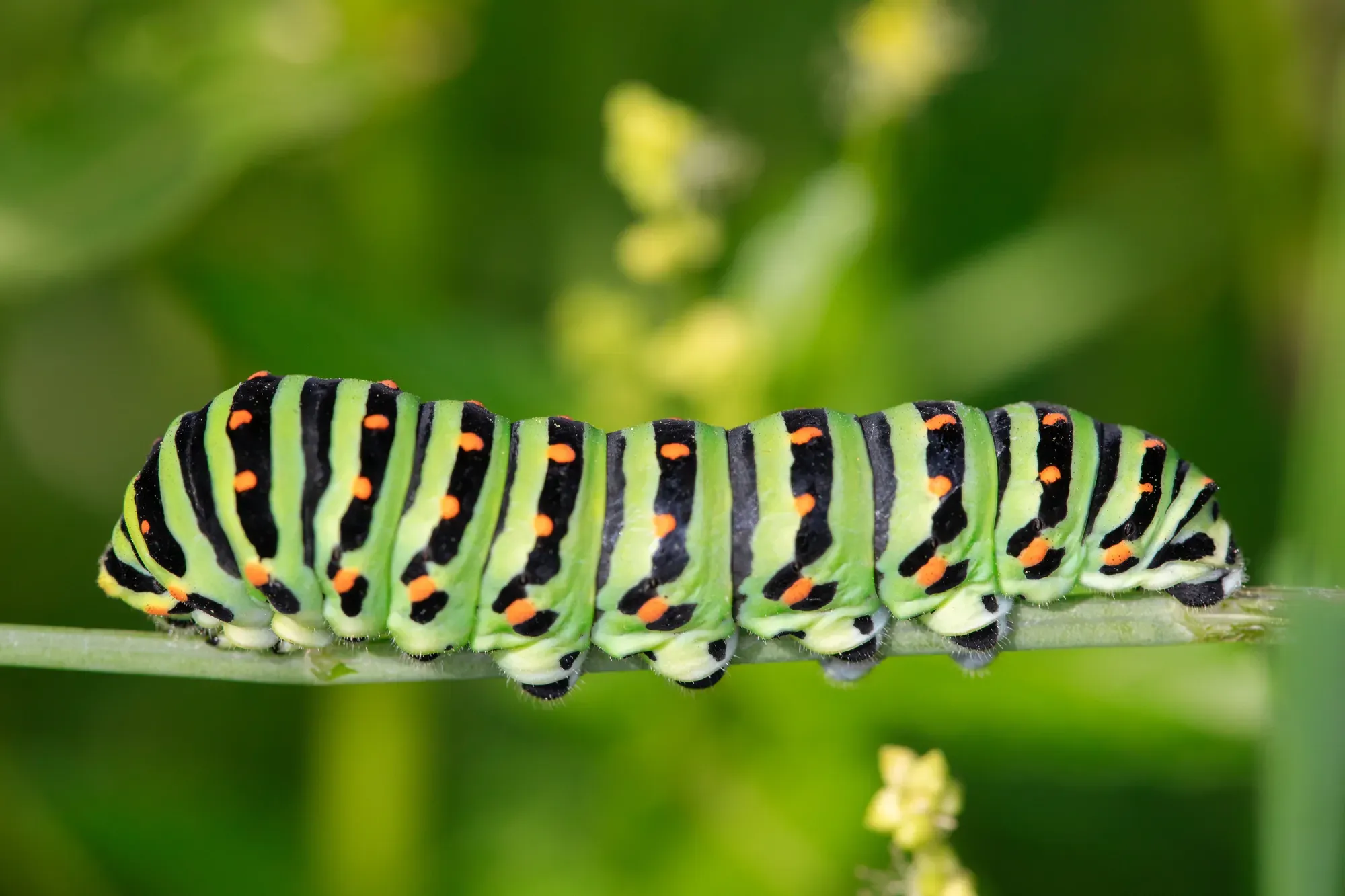
Macro of Caterpillar of Papilio Machaon swallowtail caterpillar feeding on Fennel branches.
Caterpillars are a common sight in UK gardens, but they can cause a lot of damage to plants and trees. The most common type of caterpillar found in the UK is the Large White, which feeds on a variety of plants, including cabbages, broccoli, and Brussels sprouts. Other types of caterpillars, such as the Cinnabar Moth, can also cause damage to plants.
The most damage caused by caterpillars is usually seen in the spring and summer months. During this time, caterpillars are actively feeding on plants and can quickly strip them of their leaves. If left unchecked, caterpillars can cause significant damage to a garden, leaving plants and trees looking bare and unhealthy. To prevent this, it is important to regularly check your garden for caterpillars and take action to remove them if necessary.
Preventing and Controlling Caterpillar Infestations in the Garden
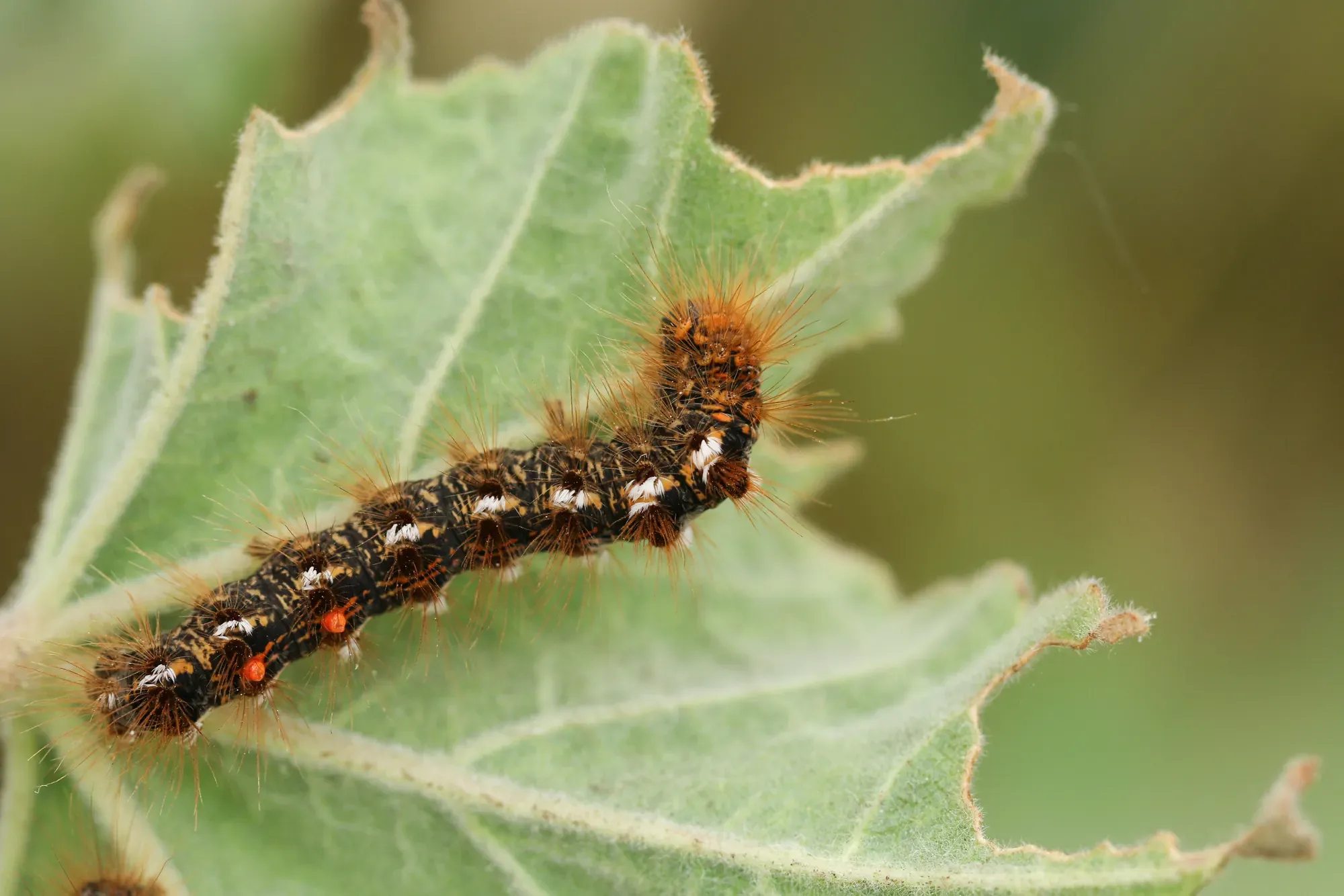
A Brown-tail Moth Caterpillar, Euproctis chrysorrhoea, feeding on a leaf.

Caterpillars are a common sight in UK gardens, but they can cause a lot of damage to plants and crops. It is important to take steps to prevent and control caterpillar infestations in order to protect your garden.
The most effective way to prevent caterpillar infestations is to keep your garden clean and tidy. Remove any dead leaves or debris that could provide a habitat for caterpillars. Regularly inspect your plants for signs of caterpillar activity, such as chewed leaves or webbing. If you spot any caterpillars, remove them by hand or use a natural insecticide.
If you already have an infestation, you can use a variety of methods to control it. Natural predators such as birds, frogs, and lizards can help to keep caterpillar populations in check. You can also use insecticides, such as Bacillus thuringiensis, to kill caterpillars. However, it is important to use these products with caution, as they can also harm beneficial insects.
By taking the necessary steps to prevent and control caterpillar infestations, you can protect your garden from the damage they can cause.
Organic Control and Prevention of Caterpillar Infestations: A Gardener's Guide
Caterpillars, the larval stage of butterflies and moths, can wreak havoc on a garden. They are voracious eaters, and some species can defoliate plants or burrow into fruits and vegetables. Understanding their life cycles and behavior is key to controlling and preventing infestations.
Understanding Caterpillars
The life cycle of a caterpillar involves four stages: egg, larva (caterpillar), pupa (chrysalis), and adult (butterfly or moth). Female butterflies or moths lay their eggs on host plants, and when the caterpillars hatch, they start feeding immediately. This feeding stage is when they cause the most damage to plants.
Caterpillars can attack a variety of plants, including cabbage, tomatoes, apple trees, oak, and milkweed. The damage they cause varies but can include leaf chewing, fruit boring, and in severe cases, complete defoliation of the plant.
Organic Products for Caterpillar Control
When dealing with caterpillars, it's important to consider organic methods that won't harm beneficial insects or the environment. Here are some products you can use:
-
1. Insecticidal Soap
Insecticidal soaps are safe for most plants and work by suffocating the caterpillars. Spray it directly onto the caterpillars and their feeding areas.
-
2. Essential Oil Mixture
A mixture of essential oils like peppermint, thyme, and rosemary can deter caterpillars. Mix a few drops of each oil with water and spray it on the plants. However, test a small area first to ensure the oils won't damage the plants.
DIY Natural Caterpillar Deterrent Using Essential Oils: A Detailed Guide
Caterpillars, the larvae stage of butterflies and moths, have a reputation for being voracious eaters. They can cause significant damage to plants by chewing on leaves, stems, and fruits. While there are many chemical solutions available for managing caterpillar infestations, natural remedies offer a safer and eco-friendly alternative. Essential oils like peppermint, thyme, and rosemary can serve as effective deterrents due to their strong aromas that caterpillars find unpleasant.Benefits of Using Natural Repellents
Natural repellents are beneficial in several ways:- Eco-friendly: They do not harm the environment or beneficial insects.
- Non-toxic: Unlike synthetic pesticides, they pose minimal risks to human health.
- Cost-effective: Most essential oils are affordable and widely available.
To create your DIY caterpillar deterrent, you will need:
- Peppermint, thyme, and rosemary essential oils
- Water
- Spray bottle
- Measuring spoons
- Combine Essential Oils with Water: Add 10 drops of each essential oil (peppermint, thyme, and rosemary) to one litre of water in the spray bottle. The oils are potent, so a small amount goes a long way.
- Shake Well: Secure the lid of the spray bottle and shake it well to ensure the oils are evenly distributed in the water.
- Test on a Small Area: Before applying your homemade repellent to all your plants, test it on a small area first. Wait 24 hours to see if any signs of damage appear. If the plant appears healthy, proceed to the next step.
- Spray Plants: Lightly mist the plants with the solution, paying particular attention to the undersides of leaves where caterpillars often hide. Avoid spraying during the heat of the day to prevent leaf burn.
Safety Precautions and Maintenance
- Always wear gloves when handling essential oils as they can cause skin irritation.
- Keep the mixture out of reach of children and pets.
- If you're growing food crops, rinse them well before consumption to remove any residual oil.
- Reapply the solution every week and after rainfall for consistent results.
Expected Results
With regular application, you should see a reduction in caterpillar activity on your plants. Remember, this is a deterrent, not a pesticide—it won't kill existing caterpillars but will discourage them and future generations from feasting on your plants. For severe infestations, combine this method with other organic control measures for the best results.
-
3. Neem Oil
Neem oil is a natural pesticide that disrupts the life cycle of caterpillars and prevents them from eating. Mix the neem oil with water as per the instructions on the bottle and spray it on affected plants.
-
4. Bt-K (Bacillus thuringiensis var. kurstaki)
Bt-K is a bacteria that naturally occurs in the soil. When caterpillars ingest it, the bacteria cause them to stop eating and eventually die. Sprinkle Bt-K powder on the leaves of infested plants.
-
5. Diatomaceous Earth
Diatomaceous earth is a powder made from fossilized aquatic organisms. It's sharp and can pierce the caterpillar's skin, causing them to dehydrate and die. Sprinkle it around your plants for an effective deterrent.
General Tips for a Healthy, Pest-Free Garden
Companion PlantingCertain plants can deter caterpillars and other pests. For instance, planting garlic near roses can help keep Japanese Beetles and Aphids at bay.
Crop RotationRotating crops each year can disrupt the life cycle of pests and prevent recurring infestations.
Soil FertilityHealthy soil promotes healthy plants that are better able to withstand pest attacks. Regularly amend your soil with organic matter like compost or well-rotted manure to maintain its fertility.
Remember, always wear protective clothing and follow label directions when using organic pesticides. While they're safer than synthetic pesticides, they can still cause irritation or harm if mishandled. And while caterpillars can be destructive, they're also an important part of our ecosystem, turning into beautiful butterflies and moths that pollinate plants. Use control methods judiciously to maintain a balanced garden.
ConclusionIn conclusion, caterpillars can cause a great deal of damage to a UK garden. They can eat through leaves, flowers, and even the bark of trees. It is important to be aware of the signs of caterpillar infestation and to take action quickly to prevent further damage. There are a variety of methods available to control caterpillars, including physical removal, chemical treatments, and natural predators. With the right approach, it is possible to keep caterpillars from wreaking havoc in your garden.
Chemical Solutions for Caterpillar Control
When it comes to controlling caterpillars, there are several chemical solutions available on the UK market. Remember, these should be used as a last resort when other control methods have failed, due to their potential impact on the environment and non-target species.
-
1. Deltamethrin (e.g., Decis)
- Mode of Action: Deltamethrin is a synthetic pyrethroid that affects the nervous system of caterpillars, causing paralysis and death.
- Usage Instructions: Apply as a foliar spray when caterpillars are present. Avoid spraying during flowering to protect bees and other pollinators.
- Safety Precautions: Wear protective clothing, avoid contact with skin and eyes, and do not inhale spray.
-
2. Bacillus thuringiensis (Bt) (e.g., Dipel)
- Mode of Action: Bt is a naturally occurring soil bacterium that produces toxins lethal to certain caterpillars but safe for humans and most non-target species.
- Usage Instructions: Apply as a foliar spray. It must be ingested by the caterpillars to be effective, so good coverage is crucial.
- Safety Precautions: Though generally safe, it's still recommended to wear protective clothing and avoid inhalation and contact with skin and eyes.
-
3. Indoxacarb (e.g., Steward)
- Mode of Action: Indoxacarb is an oxadiazine pesticide that disrupts sodium channels in the caterpillar's nervous system, leading to paralysis and death.
- Usage Instructions: Apply as a foliar spray when caterpillars are small and actively feeding.
- Safety Precautions: Wear protective clothing, avoid inhalation and contact with skin and eyes, and follow all label instructions.
In conclusion, caterpillars can cause significant damage to UK gardens if left unchecked. It is important to be able to identify common UK caterpillars, understand the types of damage they can cause, and know which plants they infest. Additionally, it is important to be aware of when caterpillars cause the most damage and how to prevent and control infestations in the garden. By following these steps, gardeners can protect their plants from the damage caused by caterpillars. Taking the time to learn about caterpillars and their life cycle is the best way to ensure a healthy and thriving garden.
Frequently Asked Questions About Caterpillars
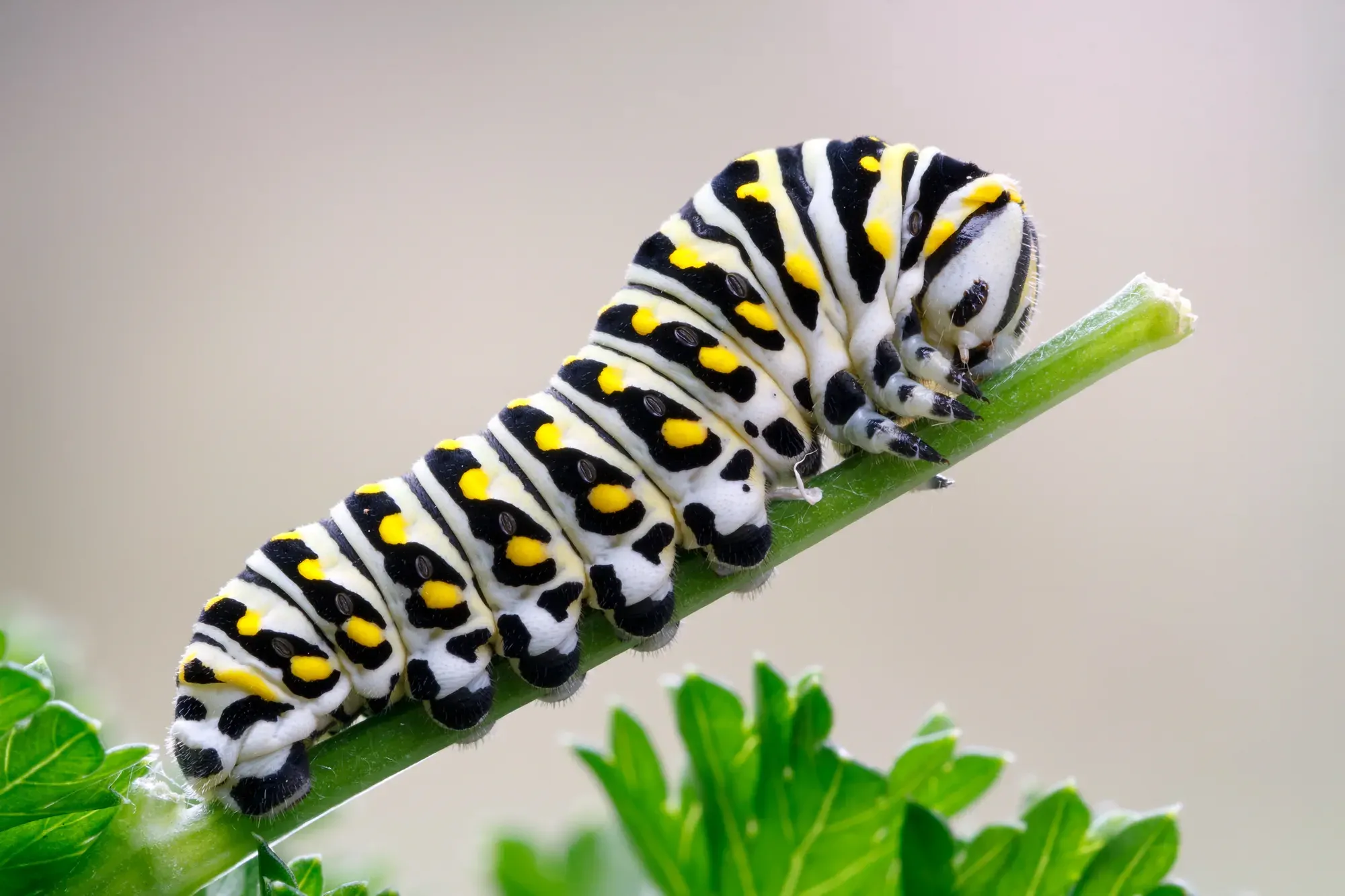
Caterpillar of a black swallowtail butterfly munching on parsley. Larva of the (eastern) black swallowtail (Papilio polyxenes), also called the American swallowtail or parsnip swallowtail.
-
Q1: What are caterpillars and what is their life cycle?
A1: Caterpillars are the larvae of moths and butterflies. They go through four stages of development: egg, larva, pupa, and adult. During the larval stage, caterpillars feed on plants and grow rapidly. After they reach a certain size, they form a pupa, which is a resting stage where they undergo metamorphosis and emerge as an adult moth or butterfly.
-
Q2: What are some common UK caterpillars?
A2: Some of the most common UK caterpillars include the Cabbage White, Small White, Large White, Small Tortoiseshell, Peacock, and Red Admiral. These caterpillars can be identified by their distinctive markings and colors.
-
Q3: What types of damage do caterpillars cause to a UK garden?
A3: Caterpillars can cause a variety of damage to a UK garden. They can eat the leaves of plants, leaving them with holes or ragged edges. They can also strip the bark off of trees and shrubs, leaving them vulnerable to disease and pests.
-
Q4: What plants do caterpillars infest?
A4: Caterpillars are most likely to infest plants that are in the cabbage family, such as broccoli, cauliflower, and Brussels sprouts. They can also infest fruit trees, such as apple and pear trees, as well as ornamental plants, such as roses and lilies.
-
Q5: When do caterpillars cause the most damage?
A5: Caterpillars typically cause the most damage during the spring and summer months when they are actively feeding. During this time, they can quickly defoliate plants and cause significant damage to a garden.
-
Q6: What are some ways to prevent and control caterpillar infestations in the garden?
A6: There are several ways to prevent and control caterpillar infestations in the garden. Hand-picking caterpillars off of plants is one of the most effective methods. Additionally, using insecticides or natural predators, such as birds, can help to reduce the number of caterpillars in the garden.
-
Q7: What should I do if I find caterpillars in my garden?
A7: If you find caterpillars in your garden, it is important to take action quickly to prevent further damage. You can remove them by hand or use a natural insecticide. It is also a good idea to regularly inspect your plants for signs of caterpillar activity and take preventive measures, such as keeping your garden clean and tidy.
-
Q8: Are all caterpillars harmful?
A8: No, not all caterpillars are harmful. In fact, some caterpillars, such as the Painted Lady and Speckled Wood, can actually be beneficial to a garden as they pollinate flowers and serve as food for birds and other animals. However, it is important to be able to identify harmful caterpillars so that you can take appropriate action if necessary. Overall, it is important to maintain a balance in the garden and not completely eradicate all caterpillars. Therefore, only take action when necessary and try to use natural methods whenever possible.
-
Q9: Can I use chemicals to control caterpillar infestations?
A9: Yes, there are chemical insecticides available that can effectively control caterpillars. However, it is important to use them with caution as they can also harm beneficial insects and pollinators. Additionally, it is important to carefully follow the instructions on the product label and avoid using chemical insecticides on or near edible plants.
-
Q10: How can I attract natural predators to my garden?
A10: Natural predators such as birds, frogs, and lizards can help to control caterpillar populations in the garden. You can attract these predators by creating a diverse and natural habitat with plants that provide shelter and food for them. Additionally, avoiding the use of chemical insecticides will help to preserve these natural predators in your garden. Overall, creating a balanced ecosystem is key to controlling pest infestations naturally.
-
Q11: What should I do if I notice signs of caterpillar damage in my garden?
A11: If you notice signs of caterpillar damage, such as holes in leaves or stripped bark, it is important to act quickly. You can remove the affected plant parts and dispose of them properly to prevent further infestation. Additionally, closely monitoring your plants and taking preventive measures may help to control future infestations. Ultimately, it is important to regularly inspect your garden and take action at the first sign of caterpillar damage to protect your plants.
-
Q12: Can caterpillar infestations be prevented altogether?
A12: While it may not be possible to prevent caterpillar infestations entirely, there are steps you can take to minimize their impact on your garden. By maintaining a healthy and diverse garden, regularly inspecting plants for signs of infestation, and taking swift action when necessary, you can significantly reduce the risk of caterpillar damage. Remember to also keep your garden clean and tidy, as debris can attract pests and make it easier for caterpillars to hide and feed on plants. By following these tips, you can help to keep your garden caterpillar-free. So, start implementing these measures in your garden today and enjoy a beautiful and thriving outdoor space. Happy gardening!
Overall, caterpillars are fascinating creatures with an important role in the ecosystem. While they can be harmful to gardens, it is important to find a balance and not completely eradicate them from our environment.
How to Prune Climbing Vines
List by Variety
- How to Prune Actinidia
- How to Prune Akebia
- How to Prune Bougainvillea
- How to Prune Campsis
- How to Prune Celastrus
- How to Prune Chilean Glory Vine
- How to Prune Clematis Armandii
- How to Prune Clematis Montana
- How to Prune Climbing Rose
- How to Prune Hedera GoldHeart
- How to Prune Honeysuckle
- How to Prune Hydrangea Petiolaris
- How to Prune Ivy
- How to Prune Japanese Wisteria
- How to Prune Morning Glory
- How to Prune Parthenocissus
- How to Prune Persian Ivy Hedera Colchica
- How to Prune Schisandra
- How to Prune Star Jasmine
- How to Prune Sweet Peas
- How to Prune True Jasmine
- How to Prune Virginia Creeper
- How to Prune Wisteria
How to Prune Hedges
List by Variety
- How to Prune an Arborvitae Hedge
- How to Prune a Barberry Hedge
- How to Prune a Beech Hedge
- How to Prune a Boxwood Hedge
- How to Prune a Butterfly Bush Hedge
- How to Prune a Cotoneaster Hedge
- How to Prune an English Lavender Hedge
- How to Prune an Escallonia Hedge
- How to Prune an Euonymus-Hedge
- How to Prune a Firethorn Hedge
- How to Prune a Forsythia Hedge
- How to Prune a Griselinia Hedge
- How to Prune a Hawthorn Hedge
- How to Prune a Holly Hedge
- How to Prune a Hornbeam Hedge
- How to Prune a Juniper Hedge
- How to Prune a Laurel Hedge
- How to Prune a Leylandii Hedge
- How to Prune a Lilac Hedge
- How to Prune a Maple Leaf Viburnum Hedge
- How to Prune a Photinia Hedge
- How to Prune a Pink Ramanus Rose Hedge
- How to Prune a Privet Hedge
- How to Prune a Pyracantha Hedge
- How to Prune a Spirea Hedge
- How to Prune a Thuja Hedge
- How to Prune a Viburnum Hedge
- How to Prune a Western Red Cedar Hedge
- How to Prune a Yew Hedge
How to Prune Shrubs
List by Variety
- How to Prune an Abelia Shrub
- How to Prune an Abutilon
- How to Prune an Acer / Japanese-Maple
- How to Prune an Amelanchiers
- How to Prune an Apple-Tree
- How to Prune an Arbovitae Shrub
- How to Prune an Arbutus
- How to Prune an Aucuba
- How to Prune a Azalea Mollis
- How to Prune Azaleas
- How to Prune a Bay Tree Shrub
- How to Prune a Berberis Darwinii
- How to Prune Berberis Deciduous Types
- How to Prune a Boxwood Shrubs
- How to Prune a Brachyglottis Senecio
- How to Prune a Buddleia Alternifolia
- How to Prune Buddleias Butterfly Bushes
- How to Prune a Buddleja Globosa
- How to Prune a Callicarpa
- How to Prune a Camellia
- How to Prune a Caryopteris
- How to Prune a Catalpa Bignonioides Aurea
- How to Prune Ceanothus Deciduous Types
- How to Prune Ceanothus Evergreen Types
- How to Prune a Ceratostigma
- How to Prune a Chaenomeles
- How to Prune a Choisya
- How to Prune a Cistus
- How to Prune a Clematis
- How to Prune a Cornus
- How to Prune a Cotinus Royal Purple
- How to Prune a Cytisus Scoparius
- How to Prune a Exochorda x Macrantha
- How to Prune a Forsythia
- How to Prune a Hebe
- How to Prune a Hydrangeas
- How to Prune Juniper Shrubs
- How to Prune a Lavatera
- How to Prune Lilac Bushes
- How to Prune a Mugo Pine
- How to Prune Rose Bushes
- How to Prune Ribes
- How to Prune Spirea Shrubs
- How to Prune Viburnum Shrubs
- How to Prune a Weigela
- How to Prune a Yew
How to Prune Trees
List by Variety
- How to Prune a Apple Tree
- How to Prune a Apricot Tree
- How to Prune a Ash Tree
- How to Prune a Birch Tree
- How to Prune a Cherry Tree
- How to Prune a Elm Tree
- How to Prune a Fig Tree
- How to Prune a Grape Tree
- How to Prune a Hickory Tree
- How to Prune a Maple Tree
- How to Prune a Oak Tree
- How to Prune an Olive Tree
- How to Prune a Peach Tree
- How to Prune a Pear Tree
- How to Prune a Plum Tree
- How to Prune a Poplar Tree
- How to Prune a Walnut Tree
How to Prune Climbing Vines
List by Variety
- How to Prune Actinidia
- How to Prune Akebia
- How to Prune Bougainvillea
- How to Prune Campsis
- How to Prune Celastrus
- How to Prune Chilean Glory Vine
- How to Prune Clematis Armandii
- How to Prune Clematis Montana
- How to Prune Climbing Rose
- How to Prune Hedera GoldHeart
- How to Prune Honeysuckle
- How to Prune Hydrangea Petiolaris
- How to Prune Ivy
- How to Prune Japanese Wisteria
- How to Prune Morning Glory
- How to Prune Parthenocissus
- How to Prune Persian Ivy Hedera Colchica
- How to Prune Schisandra
- How to Prune Star Jasmine
- How to Prune Sweet Peas
- How to Prune True Jasmine
- How to Prune Virginia Creeper
- How to Prune Wisteria
How to Prune Hedges
List by Variety
- How to Prune an Arborvitae Hedge
- How to Prune a Barberry Hedge
- How to Prune a Beech Hedge
- How to Prune a Boxwood Hedge
- How to Prune a Butterfly Bush Hedge
- How to Prune a Cotoneaster Hedge
- How to Prune an English Lavender Hedge
- How to Prune an Escallonia Hedge
- How to Prune an Euonymus-Hedge
- How to Prune a Firethorn Hedge
- How to Prune a Forsythia Hedge
- How to Prune a Griselinia Hedge
- How to Prune a Hawthorn Hedge
- How to Prune a Holly Hedge
- How to Prune a Hornbeam Hedge
- How to Prune a Juniper Hedge
- How to Prune a Laurel Hedge
- How to Prune a Leylandii Hedge
- How to Prune a Lilac Hedge
- How to Prune a Maple Leaf Viburnum Hedge
- How to Prune a Photinia Hedge
- How to Prune a Pink Ramanus Rose Hedge
- How to Prune a Privet Hedge
- How to Prune a Pyracantha Hedge
- How to Prune a Spirea Hedge
- How to Prune a Thuja Hedge
- How to Prune a Viburnum Hedge
- How to Prune a Western Red Cedar Hedge
- How to Prune a Yew Hedge
How to Prune Shrubs
List by Variety
- How to Prune an Abelia Shrub
- How to Prune an Abutilon
- How to Prune an Acer / Japanese-Maple
- How to Prune an Amelanchiers
- How to Prune an Apple-Tree
- How to Prune an Arbovitae Shrub
- How to Prune an Arbutus
- How to Prune an Aucuba
- How to Prune a Azalea Mollis
- How to Prune Azaleas
- How to Prune a Bay Tree Shrub
- How to Prune a Berberis Darwinii
- How to Prune Berberis Deciduous Types
- How to Prune a Boxwood Shrubs
- How to Prune a Brachyglottis Senecio
- How to Prune a Buddleia Alternifolia
- How to Prune Buddleias Butterfly Bushes
- How to Prune a Buddleja Globosa
- How to Prune a Callicarpa
- How to Prune a Camellia
- How to Prune a Caryopteris
- How to Prune a Catalpa Bignonioides Aurea
- How to Prune Ceanothus Deciduous Types
- How to Prune Ceanothus Evergreen Types
- How to Prune a Ceratostigma
- How to Prune a Chaenomeles
- How to Prune a Choisya
- How to Prune a Cistus
- How to Prune a Clematis
- How to Prune a Cornus
- How to Prune a Cotinus Royal Purple
- How to Prune a Cytisus Scoparius
- How to Prune a Exochorda x Macrantha
- How to Prune a Forsythia
- How to Prune a Hebe
- How to Prune a Hydrangeas
- How to Prune Juniper Shrubs
- How to Prune a Lavatera
- How to Prune Lilac Bushes
- How to Prune a Mugo Pine
- How to Prune Rose Bushes
- How to Prune Ribes
- How to Prune Spirea Shrubs
- How to Prune Viburnum Shrubs
- How to Prune a Weigela
- How to Prune a Yew
How to Prune Trees
List by Variety
- How to Prune a Apple Tree
- How to Prune a Apricot Tree
- How to Prune a Ash Tree
- How to Prune a Birch Tree
- How to Prune a Cherry Tree
- How to Prune a Elm Tree
- How to Prune a Fig Tree
- How to Prune a Grape Tree
- How to Prune a Hickory Tree
- How to Prune a Maple Tree
- How to Prune a Oak Tree
- How to Prune an Olive Tree
- How to Prune a Peach Tree
- How to Prune a Pear Tree
- How to Prune a Plum Tree
- How to Prune a Poplar Tree
- How to Prune a Walnut Tree
Gallery
Necessitatibus eius consequatur ex aliquid fuga eum quidem sint consectetur velit


Michael Carter
Vestibulum ante ipsum primis in faucibus orci luctus et ultrices posuere cubilia curae; Donec vel erat in nulla efficitur tempor non ut nisl. Integer venenatis eros ut dui viverra fermentum.
Sophie Wilson
Nam ut turpis hendrerit, varius nunc vel, elementum dui. Morbi vulputate dolor sit amet scelerisque egestas. Vestibulum eleifend nunc ut bibendum fermentum.
Alex Morgan
Cras non velit nec purus tempor rhoncus. Sed non mauris vitae erat consequat auctor eu in elit. Class aptent taciti sociosqu ad litora torquent per conubia nostra.